Gasoline Storage Near a Garage: A Safer Place for Your Fuel Can
The short answer: If you keep gasoline for a lawn mower or other yard tools, the U.S. Fire Administration recommends storing it in a shed away from your home. Use a container made for gasoline, close it as directed, and choose a cool, well-ventilated spot away from ignition sources and out of children's reach. Stop if you suspect a leak. If you notice a strong gasoline smell or see a spill, leave the area and keep others away. If there's a fire or an immediate danger, call 911 from a safe place.
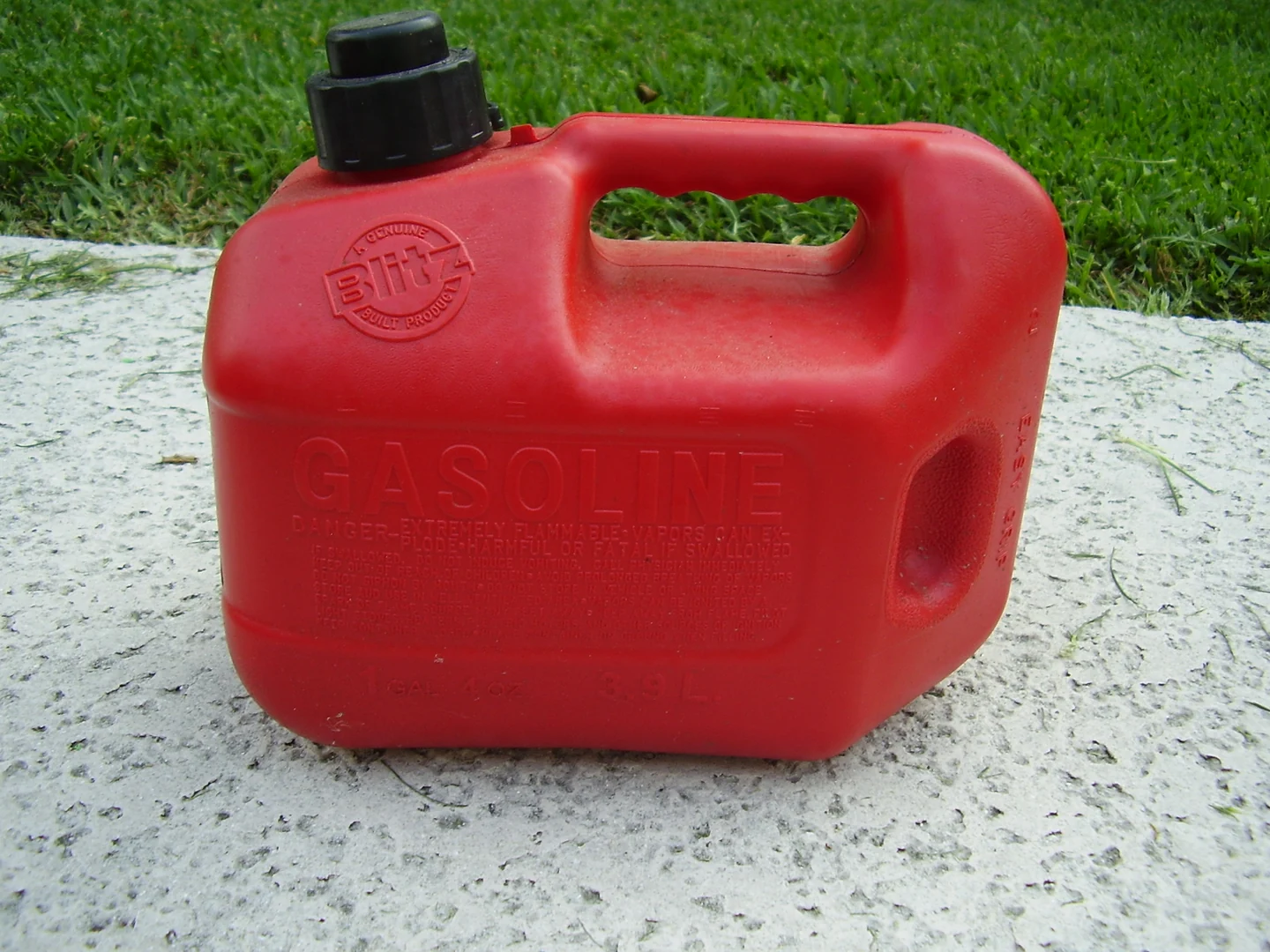
1. Read the markings on the can
Look for a portable fuel container explicitly intended for gasoline. A red container is not enough: read the label and the manufacturer's instructions for that container. If you're buying a replacement, CPSC recommends choosing one with a child-resistant closure. Keep it out of children's reach even if it has one.
Never use a drink bottle, household jug or plastic bag. A missing or damaged cap means the container isn't ready for routine use. If a damaged container already holds gasoline, get guidance from your local fire department or household hazardous waste program before handling or moving it.
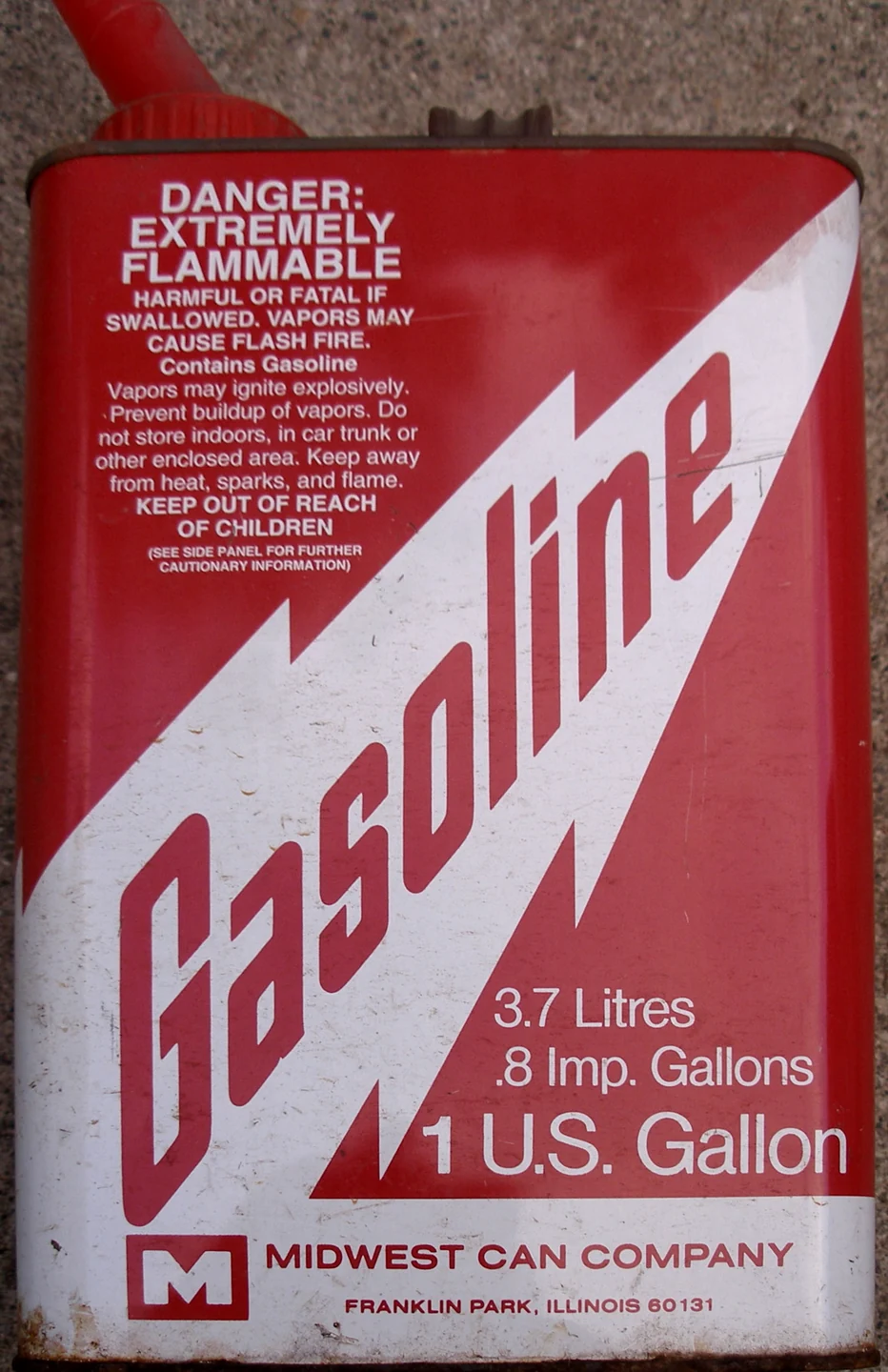
2. Check the closure before you put the can away
Follow the instructions for the cap and spout on your model. Close the container after use; don't leave the cap loosened to vent it. Don't substitute an improvised cap or remove a built-in flame mitigation device. That device helps reduce certain fire risks, but it does not make it safe to keep the can near a flame or spark.
Read your own label. An older can may show the gasoline warning clearly, but that doesn't tell you whether its closure is intact or whether it meets current requirements.
3. Choose the storage spot before buying fuel
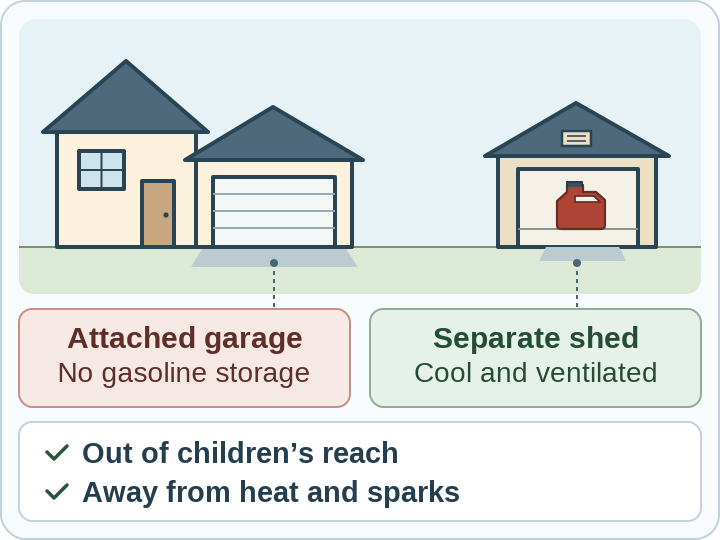
The attached garage isn't the place for a gasoline can, even if the garage door opens to the driveway. USFA recommends a shed away from the house. A shed is only a useful option if it is cool and well ventilated and you can keep the can out of children's reach and away from heat and ignition sources. If ventilation is part of the broader garage plan, review what garage vents and a partly open door can and cannot do. Ventilation alone does not make a gasoline storage location suitable.
Look at what shares the space. A heater with a pilot light or a tool that can spark is a reason to reject that spot. If the only space you have is inside or attached to the home, don't stock gasoline there. Ask the local fire department what storage options are appropriate for your property rather than relying on a universal distance or quantity.
4. Make the same check after each use
Before leaving the can, confirm that it's closed, in the intended storage spot and out of children's reach. Don't carry a visibly damaged or leaking can around looking for a better spot; leave the area and seek help. For gasoline you no longer need, contact your local household hazardous waste program for instructions. Don't pour it into a drain or onto the ground.
Sources6
- Basement and Garage Fire Safety
- Fuel Container, Gasoline and Other Liquid Fuel Safety
- Safe Use and Awareness
- Household Hazardous Waste
- WhisperToMe · WhisperToMe · Public domain · Resized and converted to WebP.
- MJCdetroit; perspective adjustment by PubSyr · MJCdetroit; perspective adjustment by PubSyr · CC BY 3.0 · Resized and converted to WebP.
Related Posts
 Practical Guide
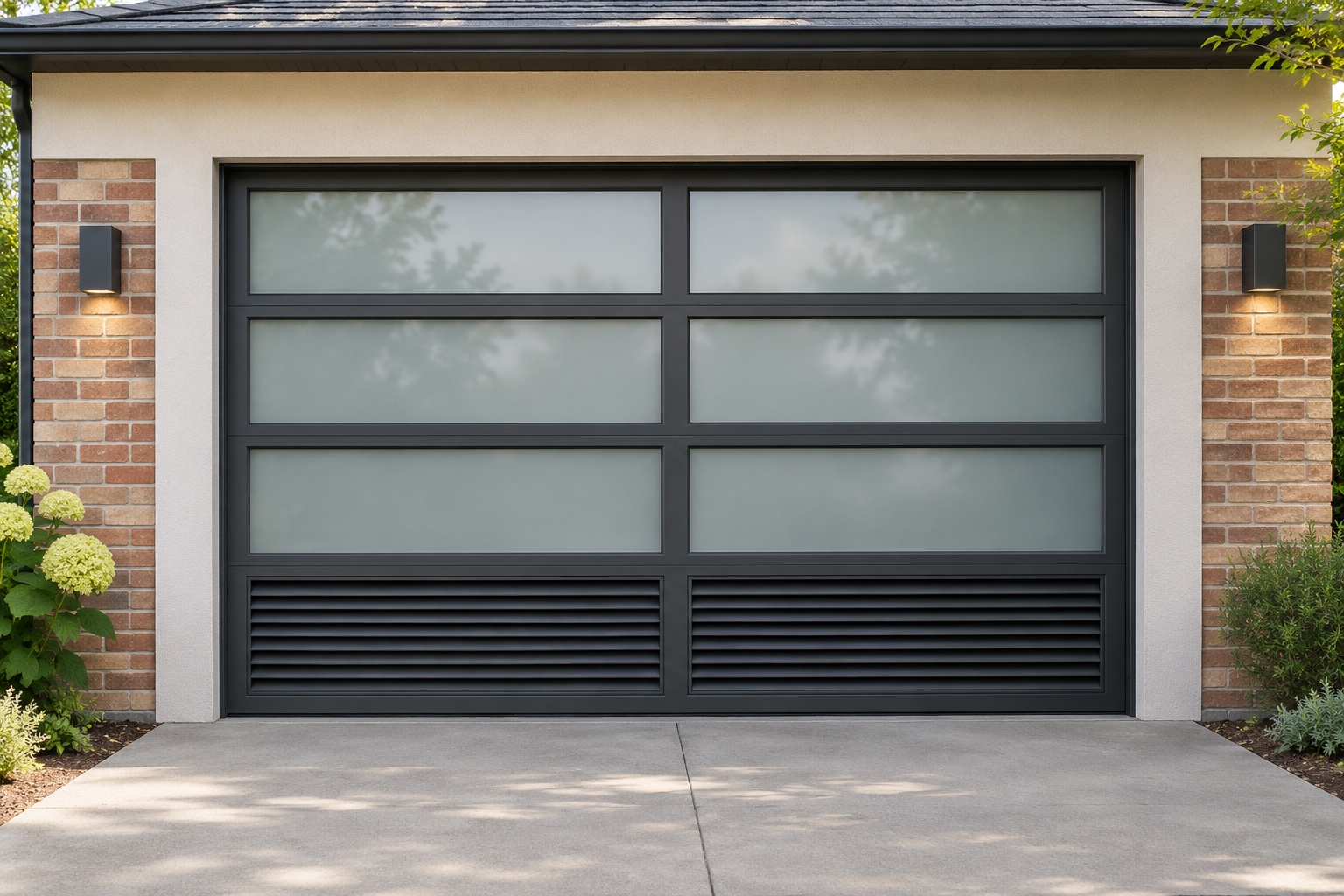
Garage Door Ventilation: Vents or a Partly Open Door?
Compare approved garage-door vents, temporary openings and planned exhaust while preserving door safety and separation from the house.
 Practical Guide
How to Mark a Repeatable Parking Spot in Your Garage
Find a repeatable parking position that leaves room for the garage door and a clear walkway. Mark it with a cue you can see from the driver’s seat.