How to Restain a Wood Garage Door Safely
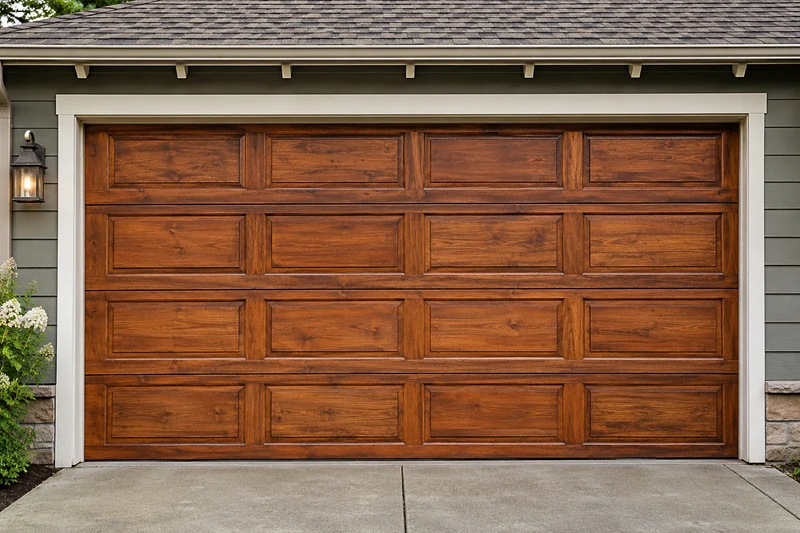
Short answer: Restain a wood garage door only after identifying its material and existing finish. Sound, compatible coatings may qualify for a maintenance coat; peeling, unknown or incompatible finishes need a different preparation plan. Resolve rot, structural damage and possible lead hazards before disturbing the surface.
1. Identify the wood and the finish
Wood grain does not prove that a door is wood. Steel with a printed wood finish, fiberglass and composite overlays can look convincing. Find the door label, original invoice or model-specific care manual. Ask the manufacturer to identify an uncertain surface from photographs. Do not sand a wood-look surface to find out what lies underneath.
For real wood, establish whether you have solid boards, a thin wood veneer or an engineered panel. That distinction matters before any abrasive preparation: a thin face cannot tolerate the same removal as solid stock. Photograph the whole exterior, lower edges and a representative weathered area without moving a damaged door.
Confirm that the exact door model is approved for a transparent stain finish. Real wood or a wood-based panel is not automatically stain-grade. Do not strip paint from a paint-grade door to expose a surface for staining; follow its manufacturer’s approved finish system instead.
Next, locate the old coating's brand, exact product, color and application history. A shiny surface may be a film-forming stain or a clear topcoat over stain; appearance alone cannot establish chemistry. A color name is not a compatibility specification. If the finish is unknown, send the coating manufacturer your records and ask what preparation it requires. If you actually want an opaque color, use the separate garage-door painting guide.
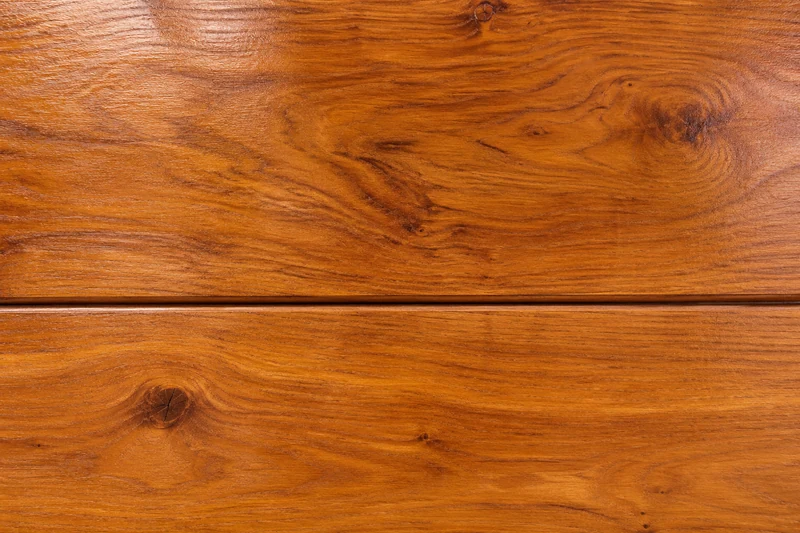
2. Decide whether this is maintenance or restoration
Look for uniform fading versus peeling, open joints, persistent damp patches, distorted sections or damaged wood. Do not probe near moving joints or dismantle trim. Soft, crumbling or separating material is not a stain problem. Stop and have the door assessed if there is suspected rot, substantial cracking, sagging or impact damage. A fresh coating cannot restore structural strength.
Use three decision paths. If the existing system is identified and intact, ask for its maintenance procedure. If it is failing, ask for a restoration specification rather than coating over loose material. If it is sound but unknown, resolve compatibility before buying a new product. Switching brands or changing from a penetrating finish to a film-forming one is not automatically a maintenance coat.
For example, PPG's ProLuxe Door & Window RE sheet separates removal of previous coatings from maintenance of its own system. Its maintenance instructions are not permission to coat every old varnish. Ask which instructions apply to your particular door. Where full removal is necessary, a refinisher should evaluate veneer thickness, joinery and containment before work begins.
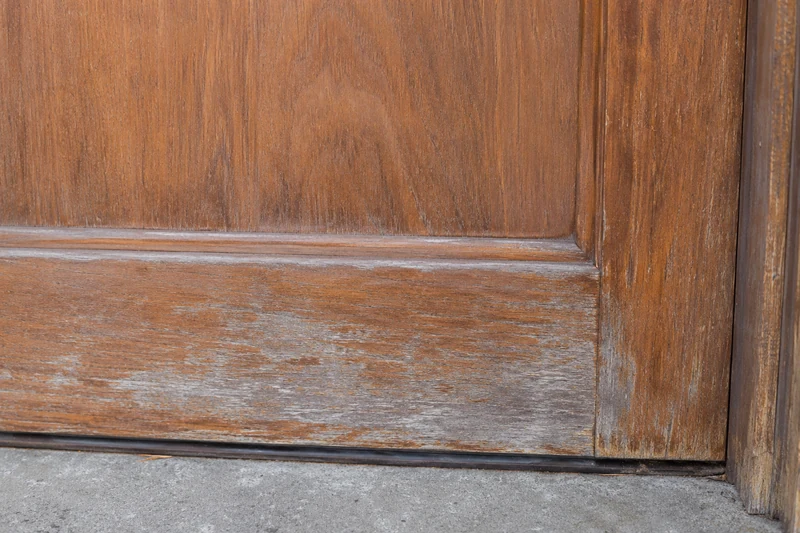
3. Plan safe access, cleaning and a test patch
Before sanding or scraping an old coating, resolve lead risk. EPA recommends a lead-safe certified contractor for renovation of pre-1978 homes; unknown building age also calls for lead precautions. Do not assume that visible clear finish proves all older layers are safe. Pause dust-producing preparation until the affected coating has been assessed.
Arrange an uninterrupted work period with the door closed and stable, and prevent operation according to the opener's manual, including any backup-power instructions. Keep controls away from children. Do not disconnect a suspicious door, loosen bottom brackets or remove hinges to reach an edge. Have a door professional arrange access when finishing requires repositioning or mechanical work.
Protect adjacent walls, paving and glass without covering safety devices for later operation. Select gloves, eye protection and ventilation from the actual cleaner and finish labels. Plan waste handling before opening a can. Do not use an open flame, smoke or work near an ignition source when using flammable products.
Clean using a method approved by both the door and coating manufacturers. Avoid improvising cleaner mixtures or pressure settings. See how to clean a garage door for the broader material checks. Let the surface meet the coating's drying or moisture requirements, not merely look dry. Then prepare a small, inconspicuous patch with the entire proposed system. Evaluate color, sheen and adhesion by the manufacturer's method after its specified drying period. A patch is a compatibility check, not proof that hidden wood is sound.
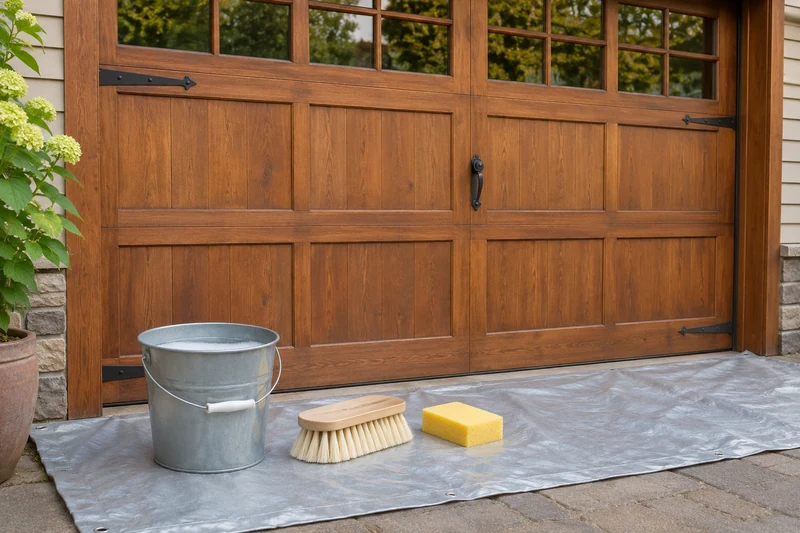
4. Apply the specified finish, not a generic recipe
Make a job card from the current product label: permitted substrate, preparation, application tool, temperature range, moisture limit, coat count, coverage, recoat time and weather protection. Match the exact product variant on your can. Low-VOC and other regional versions can have different directions. If the door manual conflicts with the coating directions, ask the manufacturers before proceeding.
For context only, the ProLuxe RE sheet lists a 24-hour recoat time at 77°F and 50% relative humidity; colder or more humid conditions extend drying. That figure is not a universal garage-door schedule. Read the full product limits for sunlight, dew and forecast conditions rather than using air temperature alone.
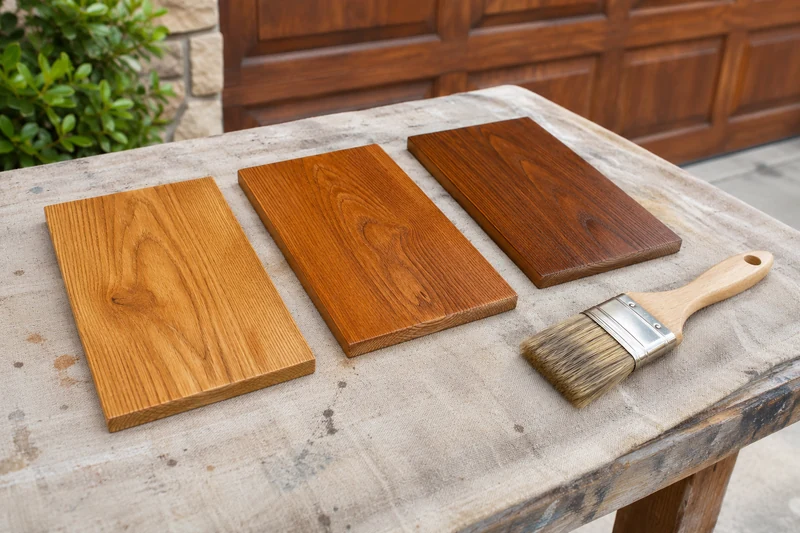
Work in manageable areas along the grain, following the specified application method. Do not invent a sanding grit, thin the finish or add an unrelated clear sealer. Keep coating out of tracks, rollers, hinges, seals and section joints. Do not bridge a moving gap with a film of finish or caulk. Ask the door manufacturer how inaccessible edges should be protected without taking the door apart.
Check each area in angled light for runs or missed spots while the product permits correction. More material is not automatically more protection. Stop if the patch or main application wrinkles, remains unexpectedly tacky or separates; record the conditions and contact technical support rather than burying the defect under another coat.
5. Handle waste and plan the next inspection
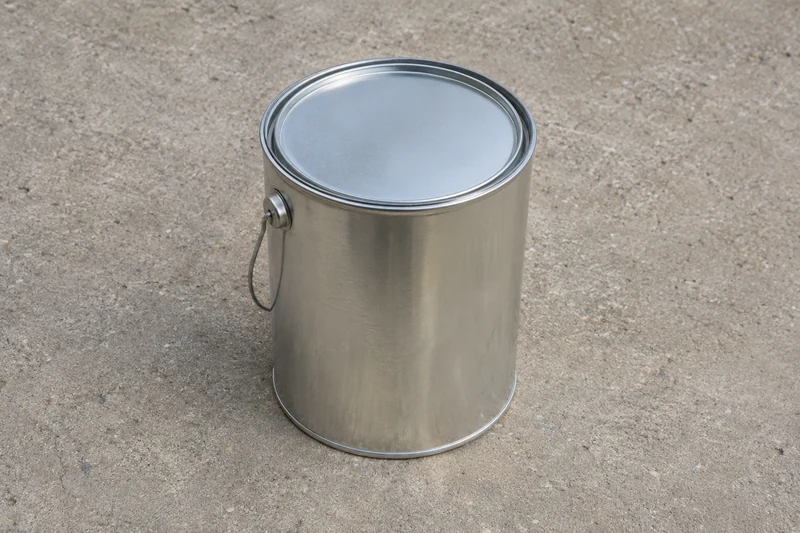
Oil-soaked rags can generate enough heat while drying to ignite without a spark. Never leave them piled up, bagged or in ordinary trash. NFPA identifies trapped drying heat as the hazard. Follow the finish label's immediate handling instructions: the cited ProLuxe product requires used rags and waste in a sealed, water-filled metal container immediately after use. Confirm final disposal with your local waste authority.
Protect the finish for its full specified drying and service-return period. Dry to touch does not necessarily mean ready to contact a weather seal. Remove masking and work materials before the door is returned to operation under the manual's instructions. If anything sticks or binds, do not increase opener force to overcome it.
Save the product code, batch, color, preparation method and photographs of the finished surface. Inspect periodically and after unusual exposure, paying particular attention to the sun-facing surface and lower edges. Renew the identified system when its manufacturer calls for maintenance, before widespread failure makes full restoration necessary.
6. Frequently asked questions
Can I stain over the old clear finish?
Only if the exact existing and proposed systems permit it. Unknown varnish is not an approved base simply because it looks intact.
Do I always need to strip the entire door?
No. A sound identified system may allow maintenance. Failing or incompatible coatings need a manufacturer-approved restoration plan.
Can I use the same stain on faux wood?
Do not assume so. Follow the actual door model’s instructions for its composite, fiberglass or steel surface.
How long must the door dry?
Use the exact product’s requirements for preparation, recoating and return to service. Weather and contact with seals affect the plan.
Will stain fix a rotten lower section?
No. Have suspected rot or structural damage assessed before refinishing.
Related Posts
 DIY Guide
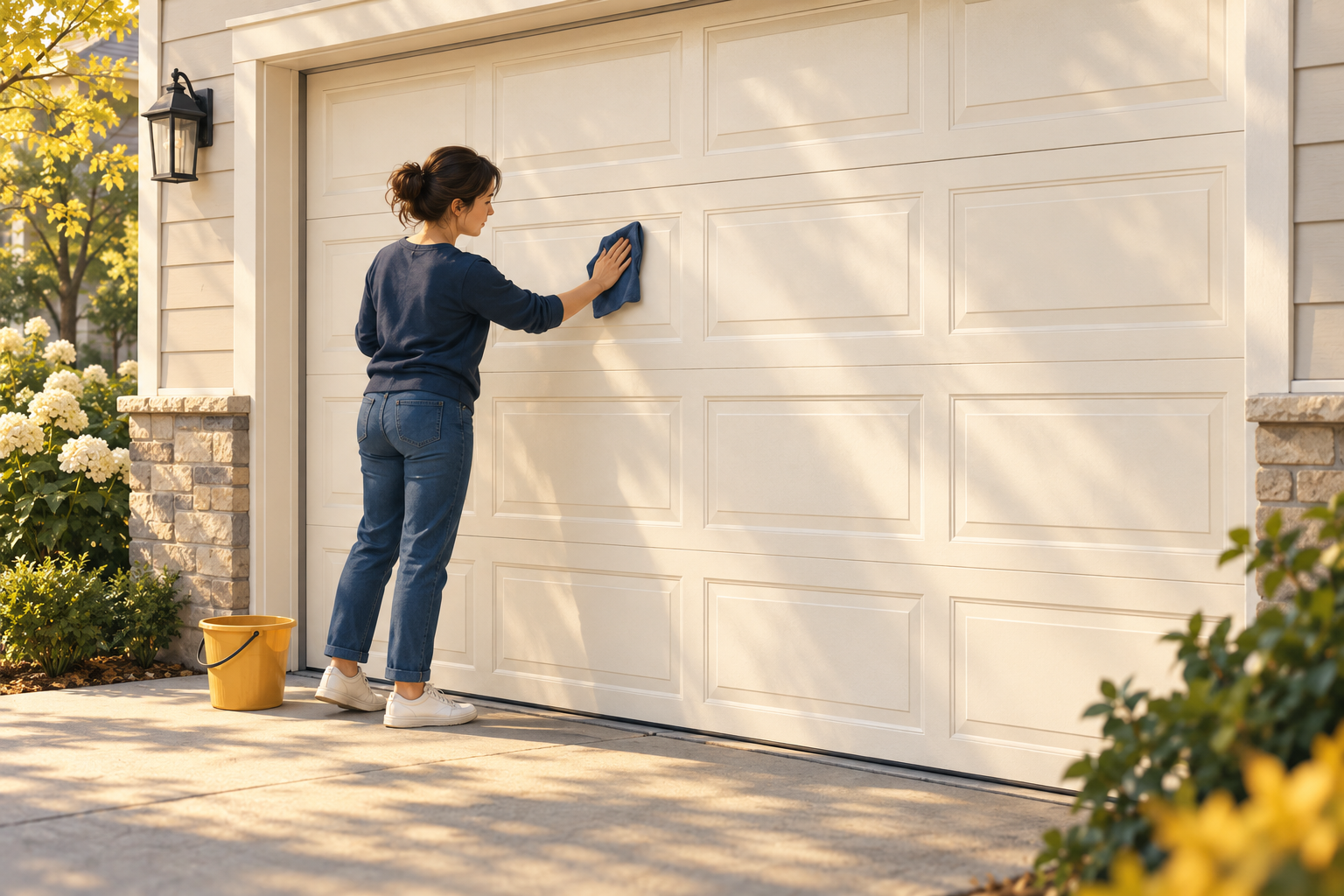
How to Clean a Garage Door Without Damaging the Finish
Wash your garage door gently, check finish and window compatibility, and spot damage before choosing stronger cleaners.
 DIY Guide
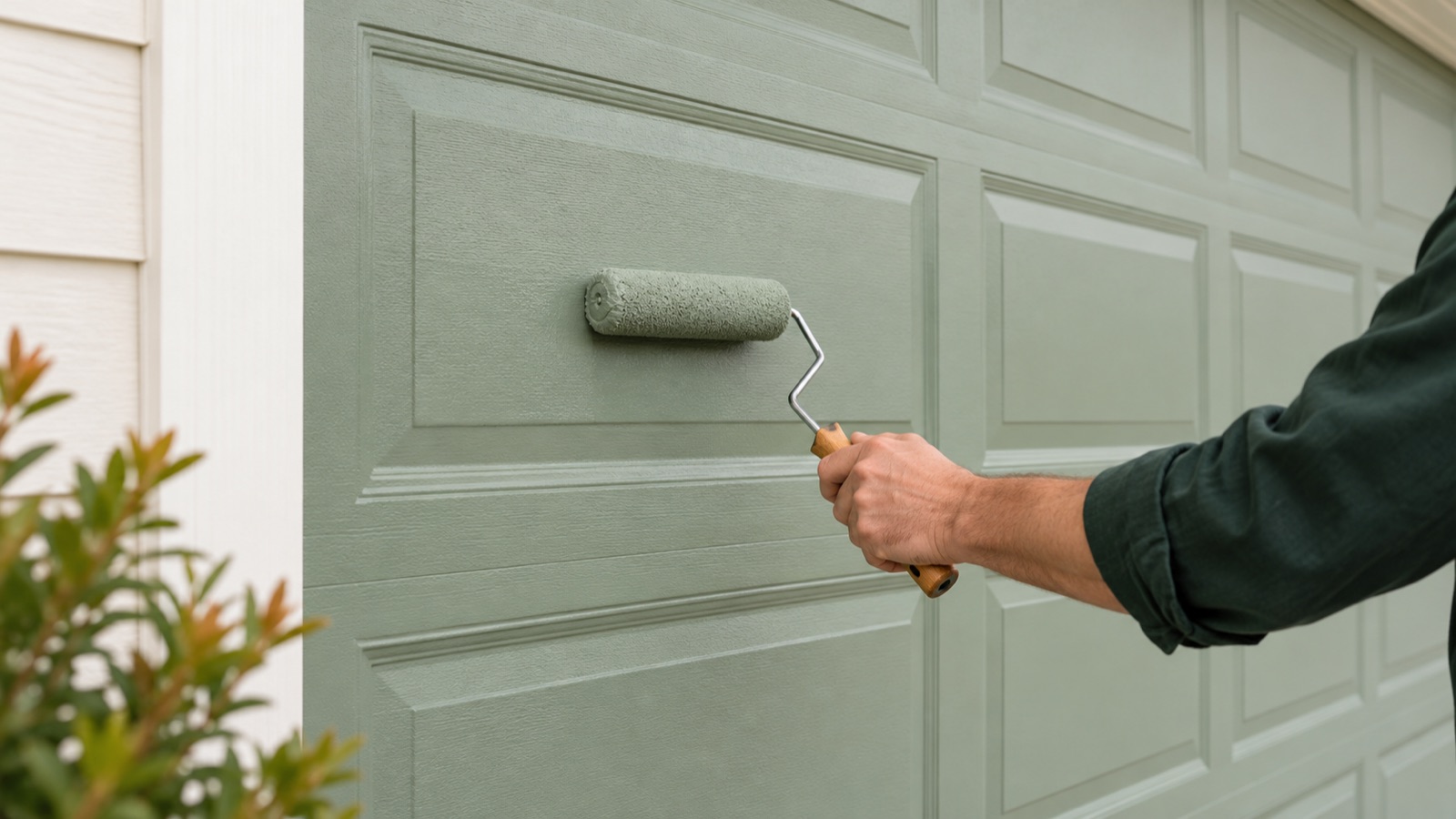
How to Paint a Garage Door: Start With the Material and Finish
Plan a compatible garage door repaint, protect moving joints and labels, and avoid coating choices that can damage the door.
Sources
Manufacturer instructions and references for this guide. Match the document to your exact product.
- PPG ProLuxe Door & Window RE SIK48078LV technical data sheetbuyat.ppg.com
- EPA: Lead-Safe Renovations for DIYerswww.epa.gov
- NFPA: Safety with Oily Ragswww.nfpa.org
- Clopay: Repairing Damaged Garage Door Sectionswww.clopaydoor.com
- Clopay: Faux Wood Garage Doorswww.clopaydoor.com
- Clopay: Wood Garage Door Care and Maintenanceliterature.clopay.com