Noisy Garage Door: What to Observe Before Calling for Service
A new squeak, scrape, or thump deserves attention, but the sound alone does not identify the failed part. A useful first step is to document what the door is doing when the noise occurs. That gives a technician something more specific than “it sounds terrible” without asking you to work on a loaded mechanism.
This article is about recording a new noise for diagnosis, not repeating a maintenance procedure. For a sound door that is simply due for routine care, use the maintenance checklist and the separate lubrication guide. Do not lubricate or cycle an unsafe door to investigate a noise.
This guide is for observing a typical residential sectional door. It is not a repair procedure, lubrication schedule, or clearance to operate a damaged door. One-piece doors, enclosed spring systems, and wall-mounted openers have different layouts. Use the manuals for your actual door and opener.
1. Decide whether observation should stop immediately
Start with what you already know. Was there a sudden bang followed by a door that stopped, tilted, or began moving differently? Do not run another cycle just to capture the sound.
If the door is already closed, leave it closed while arranging service. If it is partly open, keep everyone away and ask a trained door systems technician how to proceed. Do not pull the emergency release on a questionable raised door or try to support it yourself.
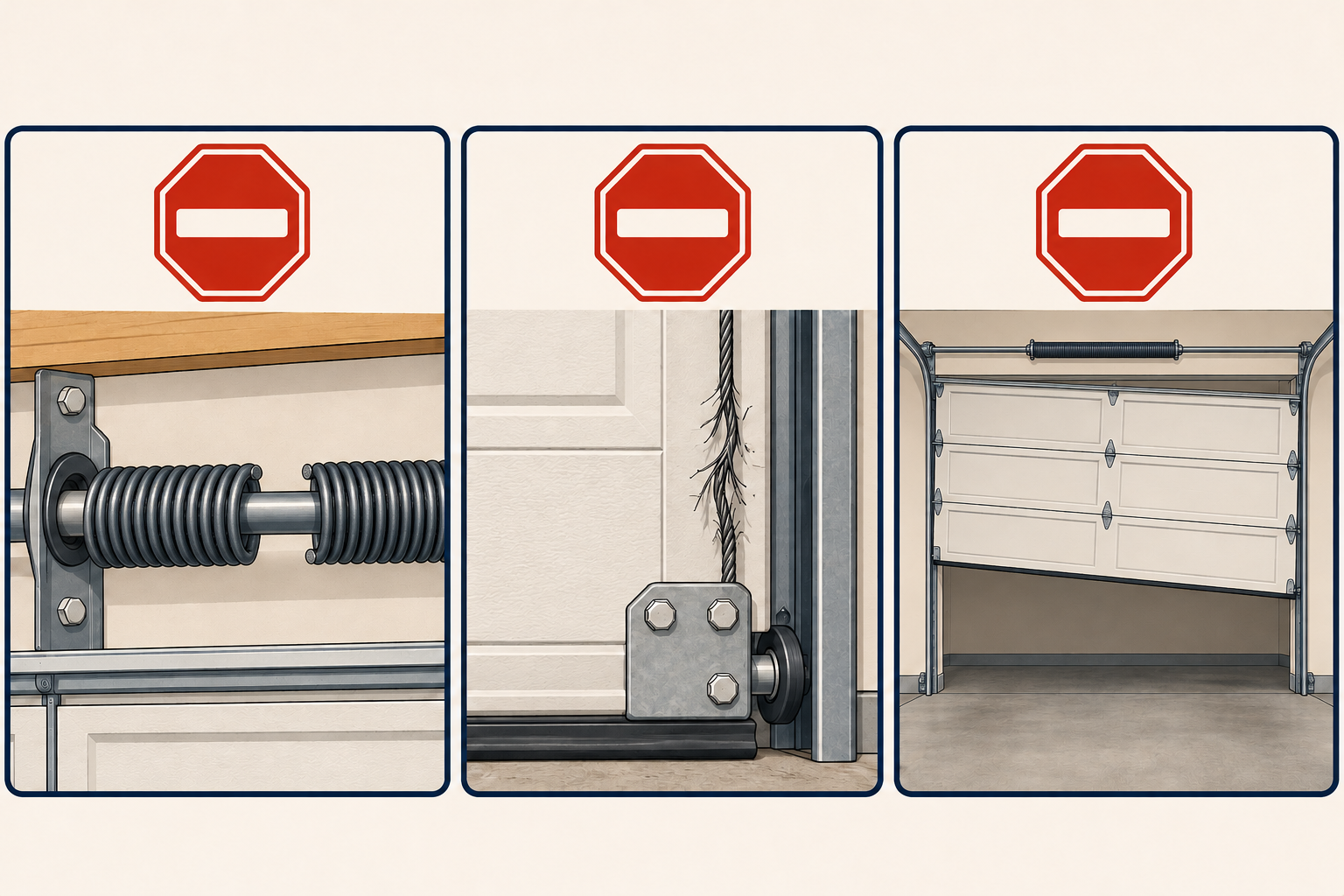
DASMA says not to operate a door with a broken spring. It also directs consumers to stop an inspection when they encounter a problem. A crooked door, a roller outside its track, or visibly damaged hardware is a reason to end this noise check, not a reason to try a different button.
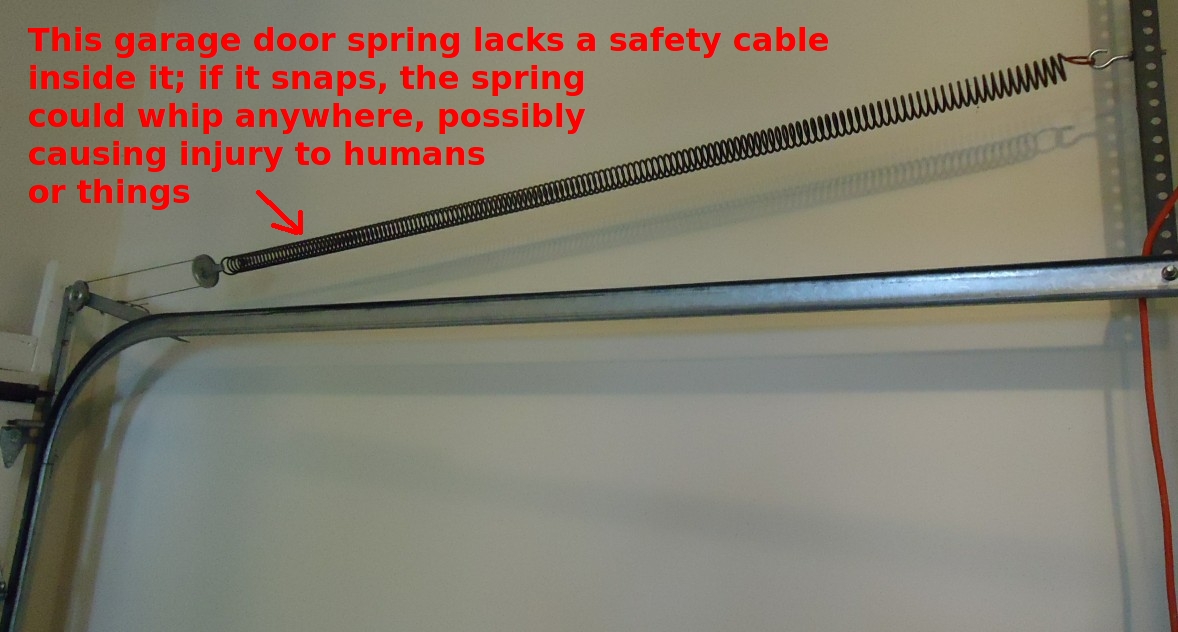
Keep hands and tools away from springs, cables, and their attachments. Bottom corner brackets are especially important: they connect to the counterbalance system and are not ordinary panel fasteners. Do not loosen them to stop a rattle.
2. Identify which equipment you have
Write down the opener brand and model from existing paperwork or a label you can read safely from the floor. Do the same for the door if its identification is accessible. You do not need to remove a cover or climb beside moving equipment to complete this record.
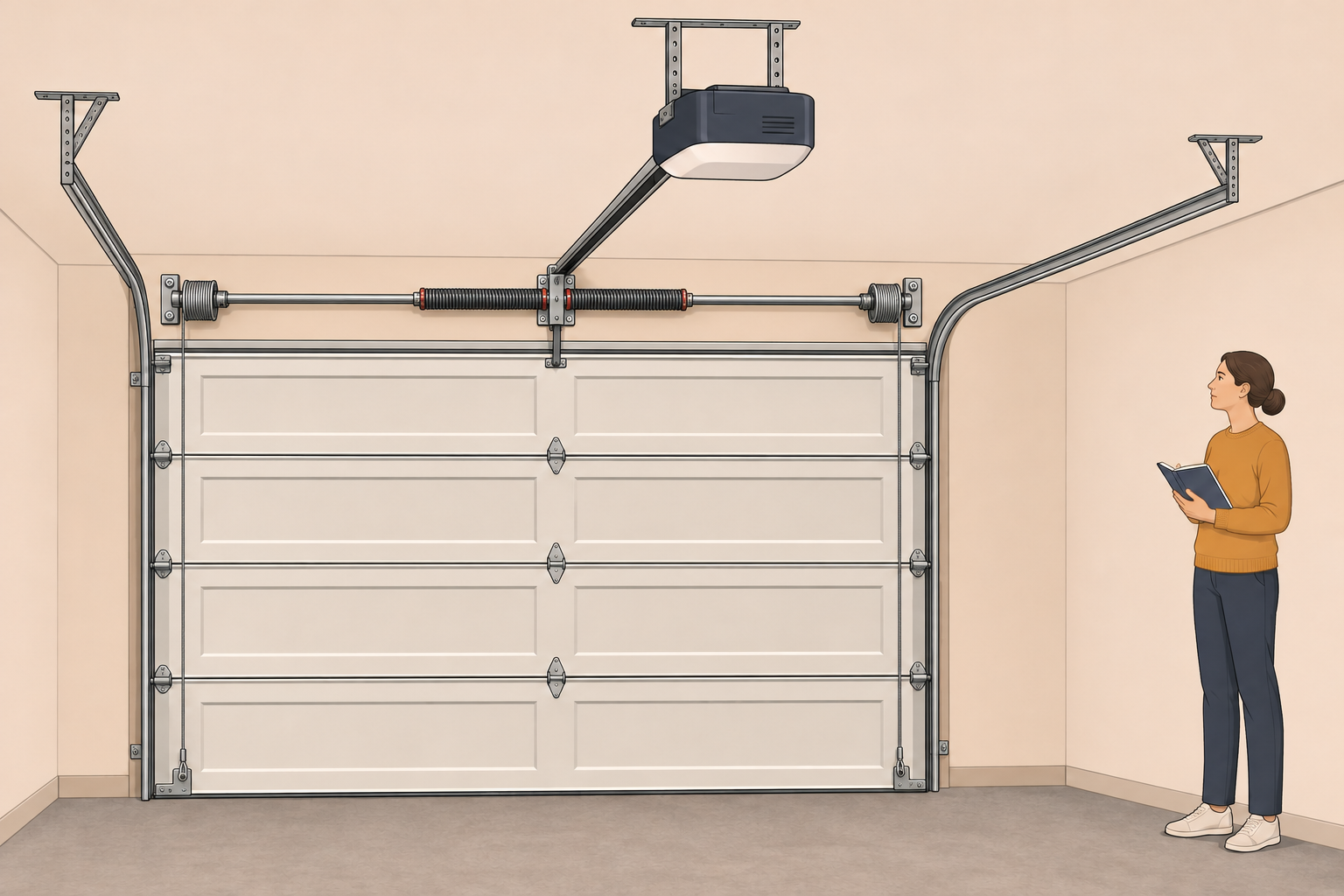
Describe the arrangement in plain language: “motor unit near the ceiling with a rail toward the door,” or “motor beside the door opening.” If you do not know whether it uses a belt, chain, or screw, write “unknown.” Guessing the drive type can lead you to instructions intended for another machine.
Model identification matters even for a seemingly simple sound. Genie's troubleshooting guidance describes grinding in more than one screw-drive failure scenario. It also separates those scenarios from its chain- and belt-drive checks. That is a concrete reason not to order a replacement part from an audio description alone.
3. Make a closed-door visual record
Only if the door is already fully closed and there are no reasons to approach it unsafely, look from the floor. Use a flashlight or camera zoom rather than touching components. Look for obvious damage or changes around the door sections, visible rollers, tracks, and opener attachment. This is a record of what you can see, not a complete safety inspection.
Take one wide photograph before any detail pictures. A close-up of a metal part may be difficult to place later without the overall view. Label details “left side viewed from inside” or “top center viewed from inside.” Avoid “driver side,” which becomes ambiguous when a vehicle is parked differently.
If you see frayed cable strands or damage at a spring-system attachment, stop. Photograph only from a safe position. Cable work belongs to a trained technician; do not feel for roughness with your fingers.
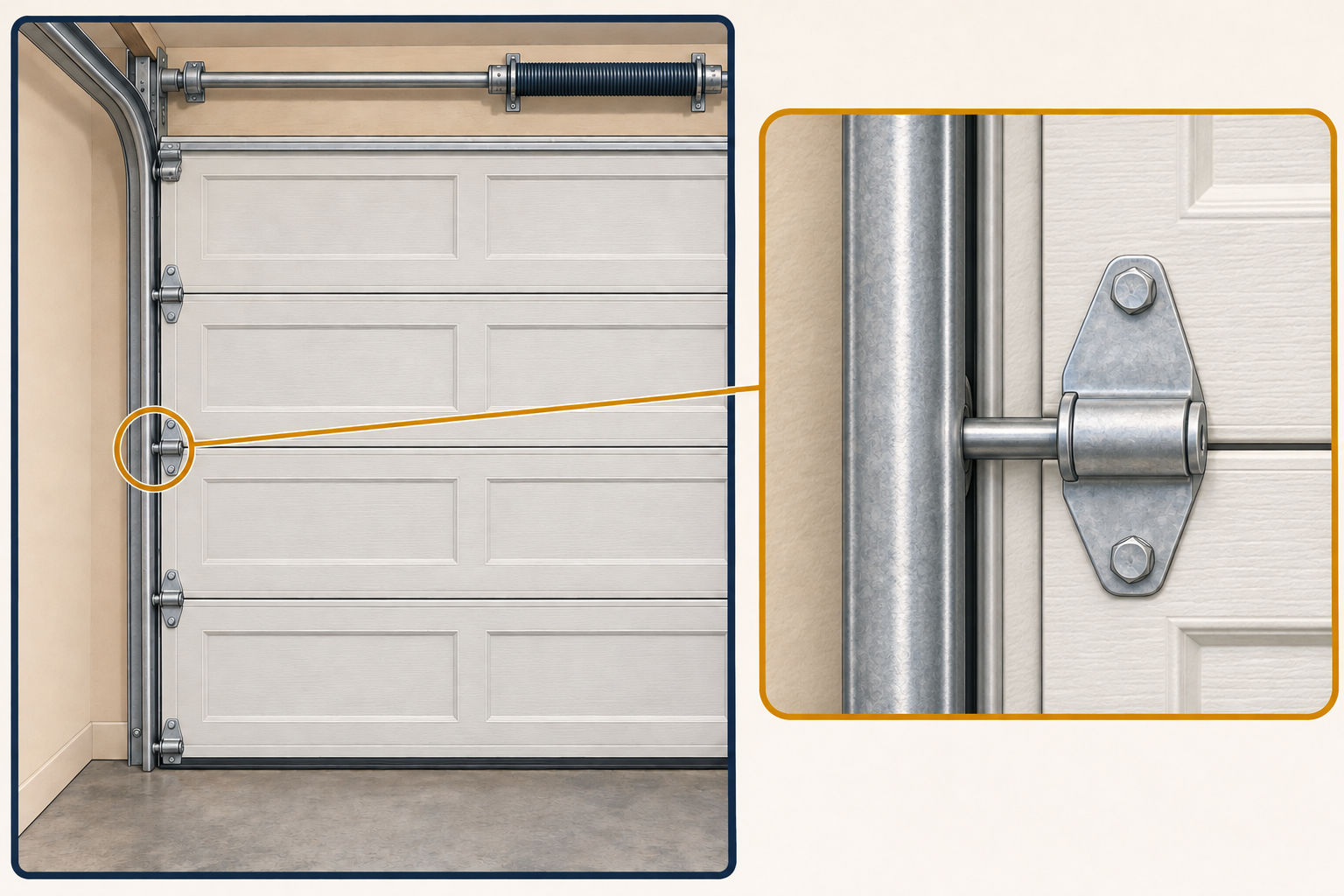
4. Record timing only when normal operation remains appropriate
If there is no visible damage, no unusual movement, and no reason to suspect a mechanical fault, observe a normal use of the door from a stationary position clear of its travel. Keep other people and pets away. Do not arrange repeated cycles solely to reproduce a worrying noise.
Use a short description with four details:
- Direction: opening, closing, or after motion stops.
- Stage: just starting, around the middle, or near the end.
- Pattern: one sound, repeated pulses, or a continuous sound.
- Behavior: smooth travel, hesitation, vibration, stopping, or reversal.
“Three clicks while opening, around halfway up, without visible hesitation” is more useful than “bad roller.” “A scraping sound followed by a tilted door” means stop using the door and report both facts. You do not need to prove which happened first by repeating the event.
If you record video, frame the whole door from outside its path. Do not walk toward the suspected source while it moves. Do not put a phone, microphone, or tripod inside the opening or near a roller.
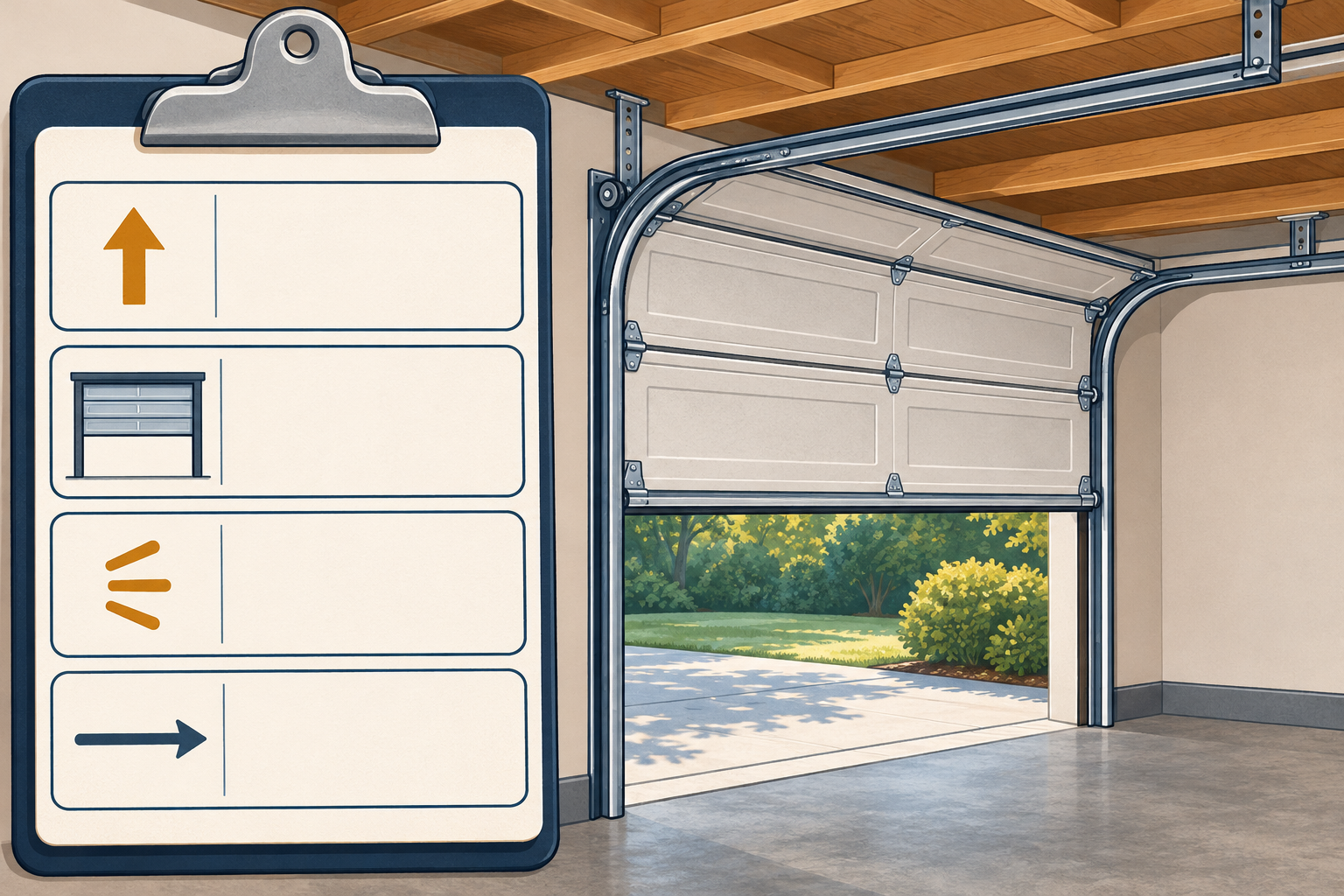
- Direction: opening
- Stage: middle
- Pattern: three clicks
- Movement: smooth
- Example, not diagnosis.
5. Separate observations from conclusions
An apparent location is worth recording, but keep it tentative: “seems loudest near the ceiling unit.” Do not convert that into “motor failure.” Likewise, a sound near a track does not establish that the track needs bending or the roller needs replacement.
Genie's model-specific guidance uses operating symptoms and diagnostic lights together. If a light is visible safely, record its color and repeating pattern, then consult the guide for that exact model. Do not apply a blink chart from another opener.
You can keep two columns in your notes: “observed” and “not confirmed.” Put the sound and movement in the first; put suspected causes in the second. This makes it easier to explain the problem without accidentally telling the service company that a particular part has already been diagnosed.
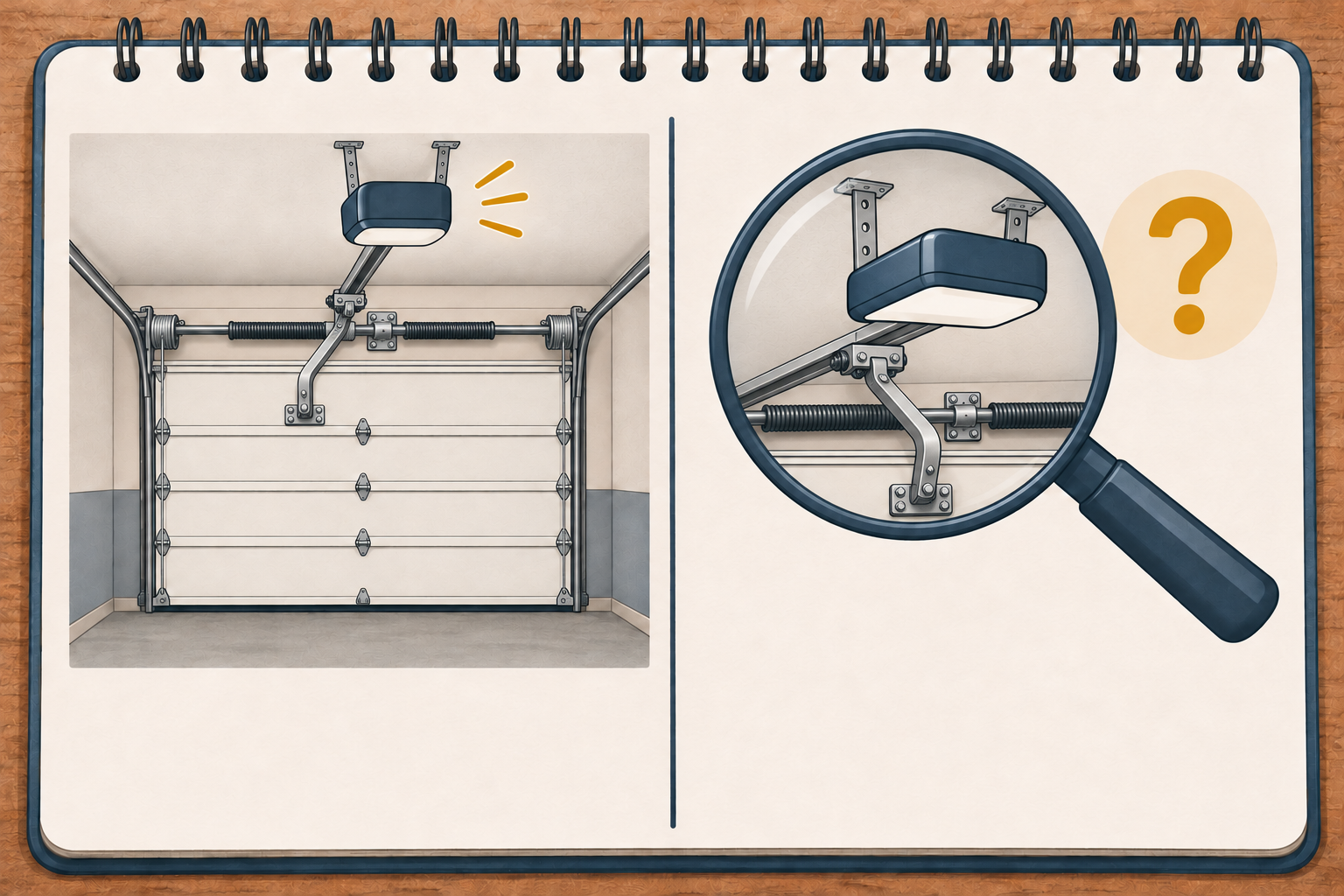
- Observed: scraping while closing; seemed loudest near ceiling unit.
- Not confirmed: exact source; damaged part.
6. Avoid changes that erase useful clues or add risk
Do not turn force or travel adjustments to make the opener push through a noisy spot. Do not tighten a drive chain by eye, move tracks, remove rollers, or open the motor housing as part of this observation process.
There is also no universal “spray everything” step. Manufacturer maintenance instructions depend on the equipment, and this guide intentionally does not prescribe a lubricant or an application point. Find the correct manuals before considering maintenance.
Leave manual release and balance checks out of this initial noise investigation when the door's condition is uncertain. Tell the technician that they have not been performed. An honest incomplete check is more useful than a risky attempt to finish a checklist.
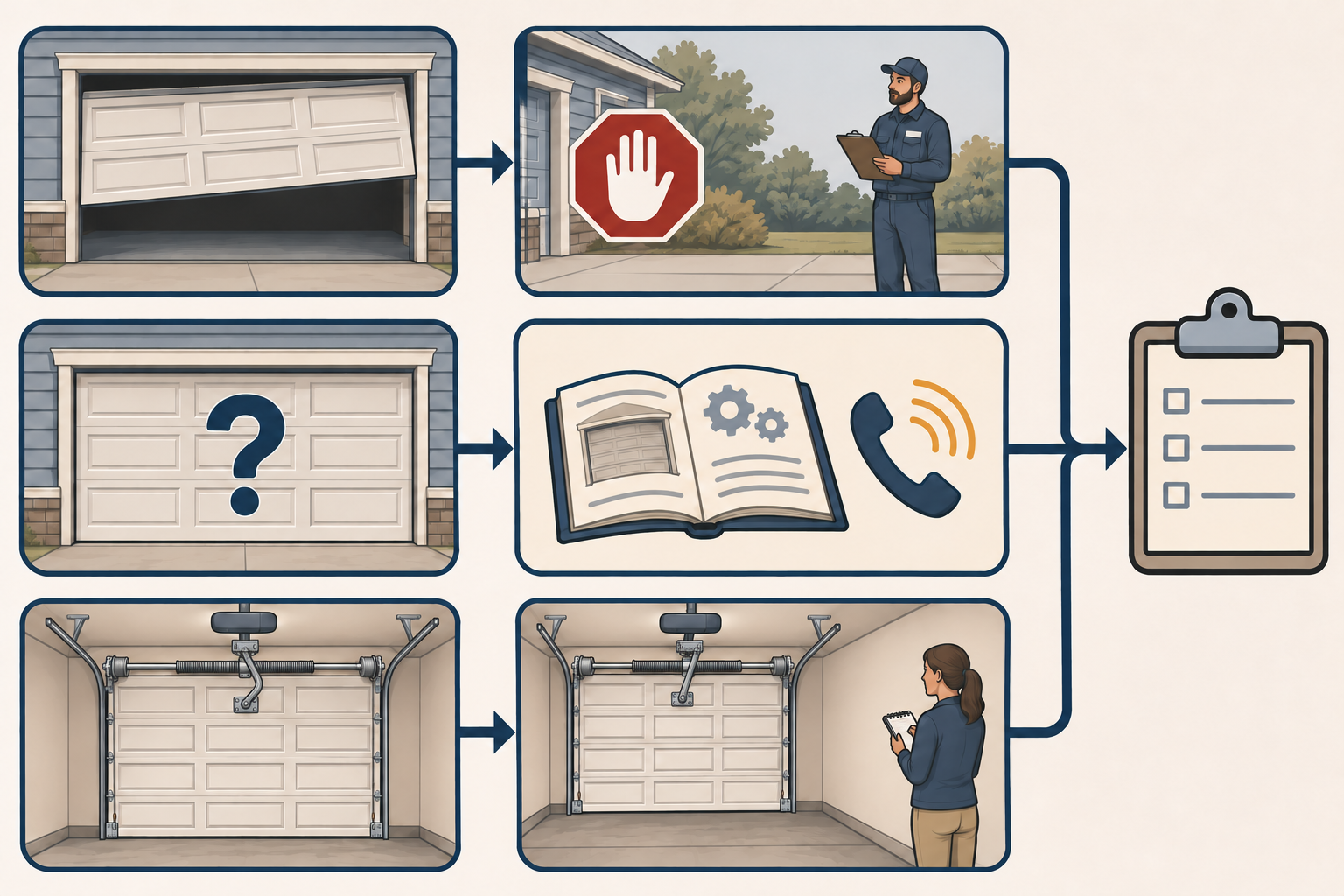
- Damage or abnormal movement: stop use and arrange service.
- Uncertain equipment or appropriate operation: obtain the manual or professional advice.
- Only when normal use is otherwise appropriate: observe from a safe position.
- Document and assess the next step.
7. Send a service request that answers the first questions
Include the model information, when the noise started, whether it followed an impact or recent work, and whether the door is currently closed, open, or stopped partway. Attach the wide photograph and any safely obtained recording. Say explicitly if you have stopped using it.
A useful example: “New intermittent scraping while closing, noticed yesterday. The door is now closed and we have stopped using it. No adjustments made. Model label and inside overview attached. Please inspect the door system and opener before recommending parts.”
Ask the technician to explain the finding, the proposed repair, and the applicable operational and safety checks after the work. A quieter door is welcome, but a sound recording alone cannot establish that the whole system is safe.
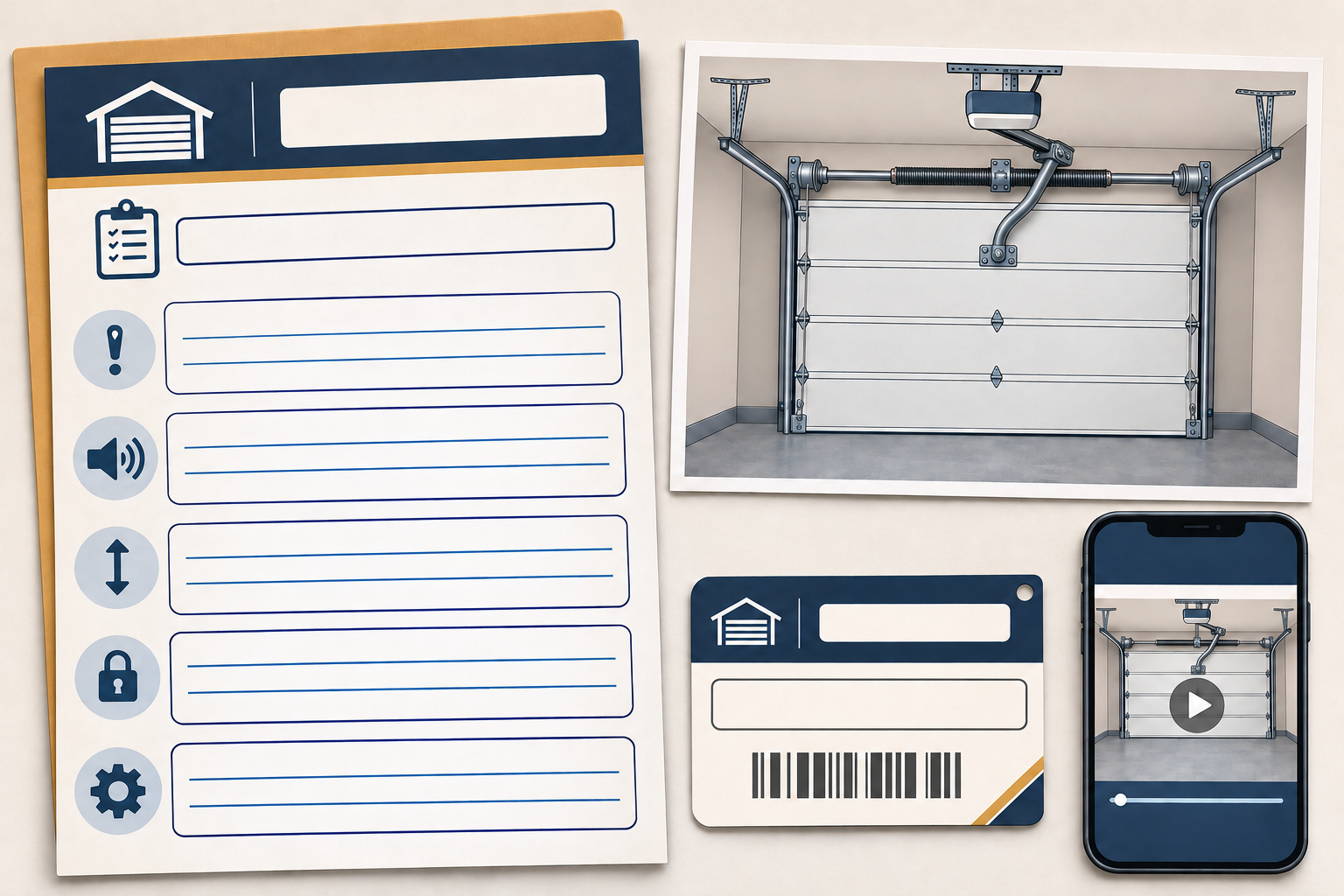
- Noise began
- Current door position
- Movement change
- Recent work or impact
- Adjustments: none
Related Posts
 DIY Guide
How to Lubricate a Garage Door Without Greasing the Tracks
Check manufacturer-specified garage door lubrication points and products, protect tracks and plastic parts, and recognize noise that needs repair.
 DIY Guide
How to Maintain a Garage Door: A Practical Homeowner Checklist
Build a garage door maintenance routine around safe inspection, compatible cleaning, specified lubrication and documented safety tests.
Sources
Manufacturer instructions and references for this guide. Match the document to your exact product.
- DASMAwww.dasma.com
- DASMAwww.dasma.com
- DASMAwww.dasma.com
- DASMAwww.dasma.com
- The Genie Companystore.geniecompany.com
- The Genie Companywww.geniecompany.com
- The Genie Companystore.geniecompany.com
Photo credits
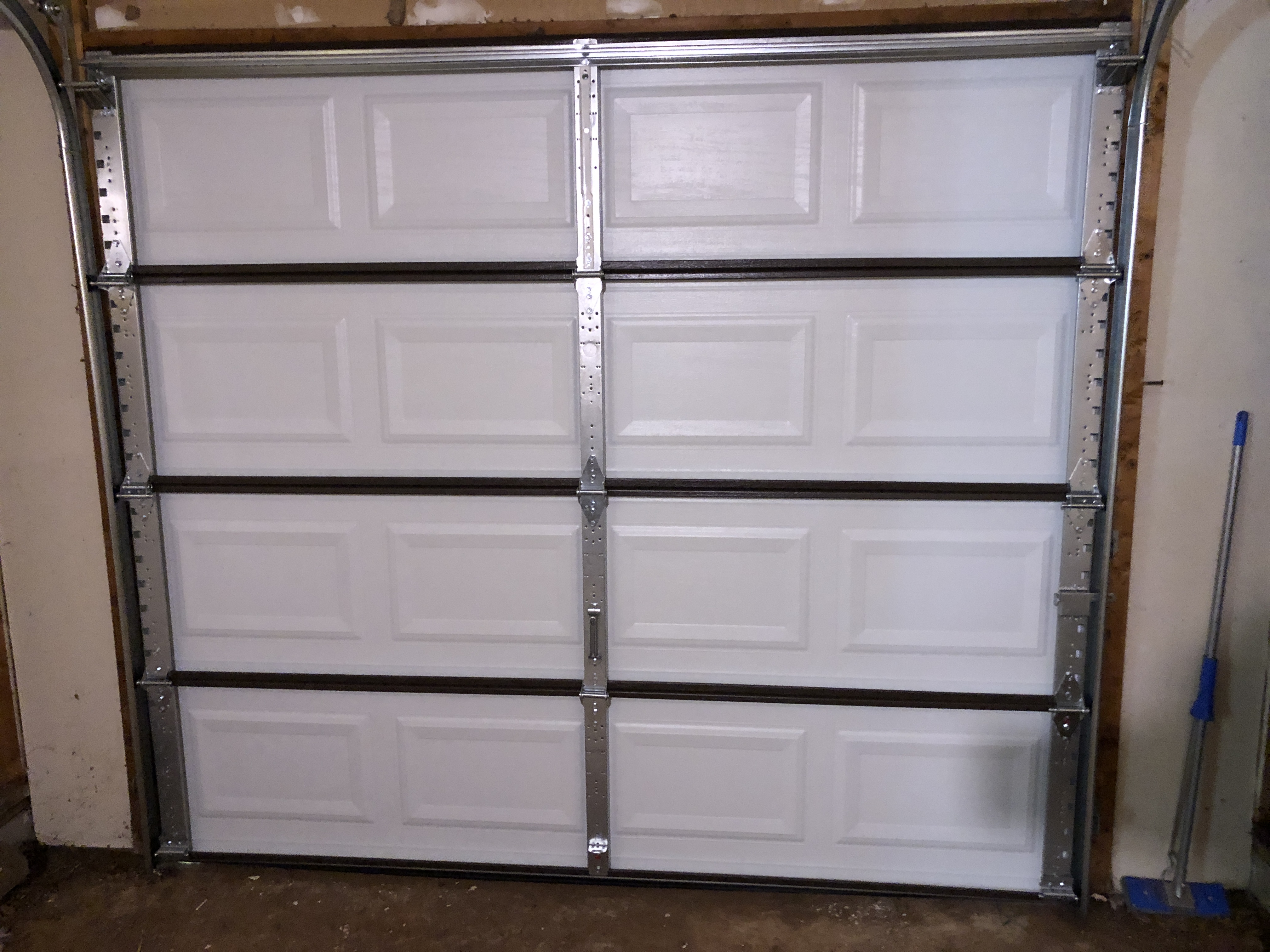
- A real closed-door overview helps locate hinges, sections and tracks. This photograph does not diagnose a noise or show a confirmed defect. Famartin · Wikimedia Commons · CC BY-SA 4.0 Wikimedia Commons CC BY-SA 4.0
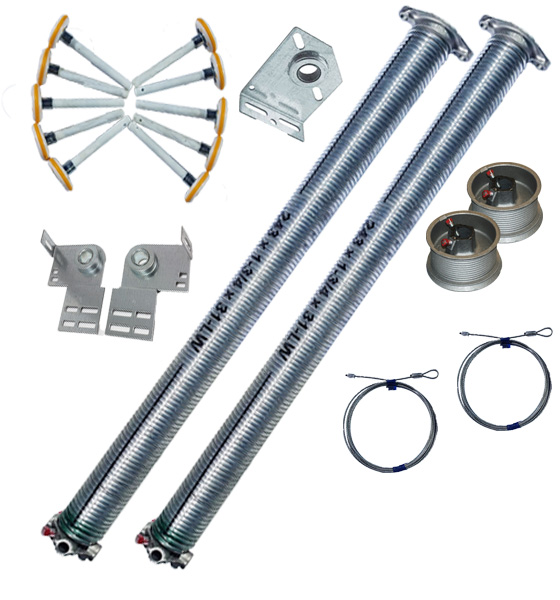
- These real components help identify the names a technician may use. Springs, cables, drums and their attachments are not parts to loosen during a noise check. Blizzard6204 · Wikimedia Commons · CC0 1.0 Wikimedia Commons CC0 1.0
- Unsafe example, not a correct installation: this extension spring lacks an internal safety cable. The red warning explains that a broken spring could whip outward and injure people or damage property. Do not touch or attempt to add a cable yourself. Stop using the door and arrange qualified service. Tomwsulcer · Wikimedia Commons · CC0 1.0 Wikimedia Commons CC0 1.0
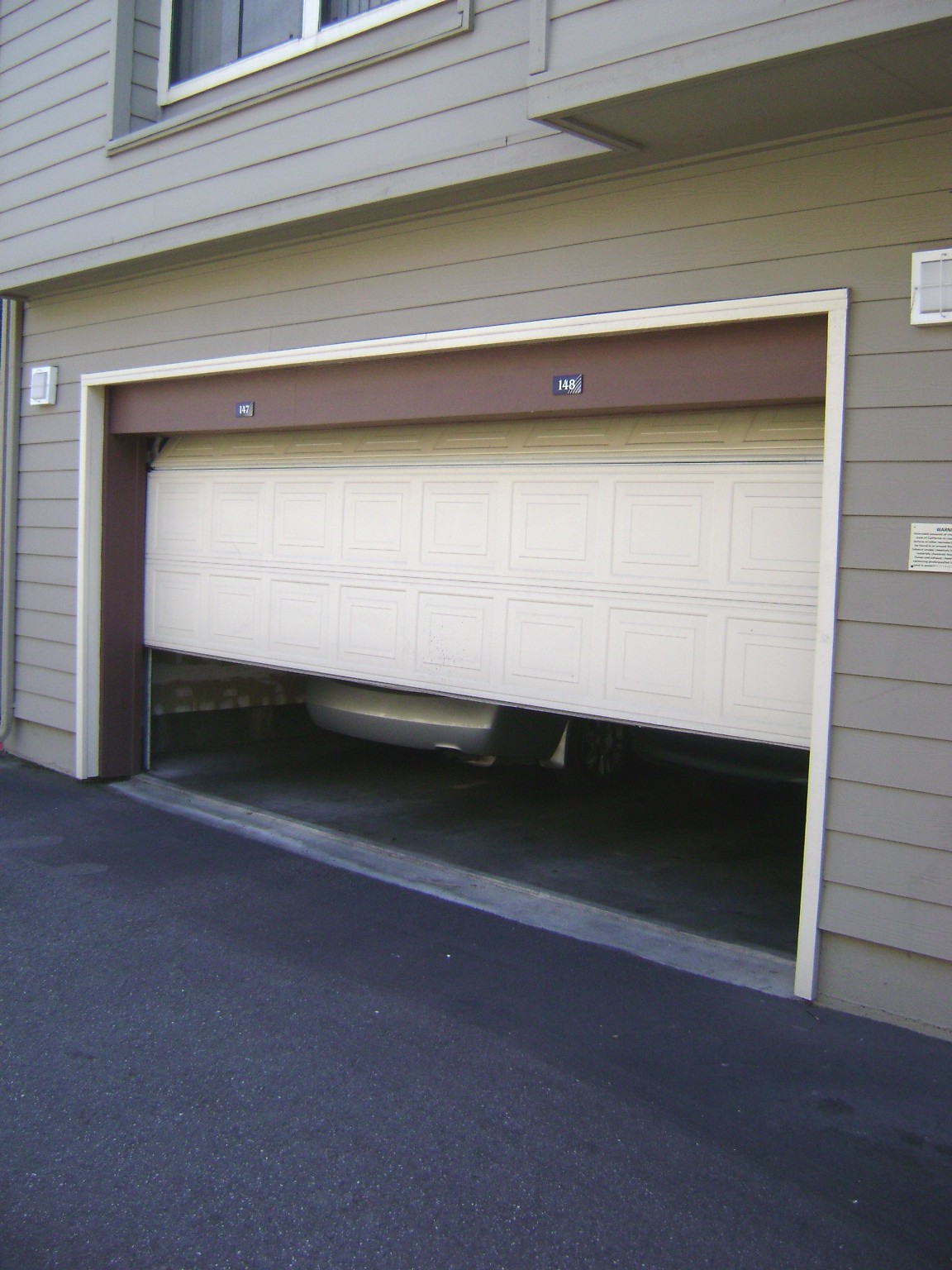
- A real sectional door during upward travel. Record when a noise occurs from a safe position, without standing under or touching the moving door. This photograph does not identify a fault. Oleg Alexandrov · Wikimedia Commons · Public domain Wikimedia Commons Public domain


