Prepare Your Garage Door for Hurricane Winds
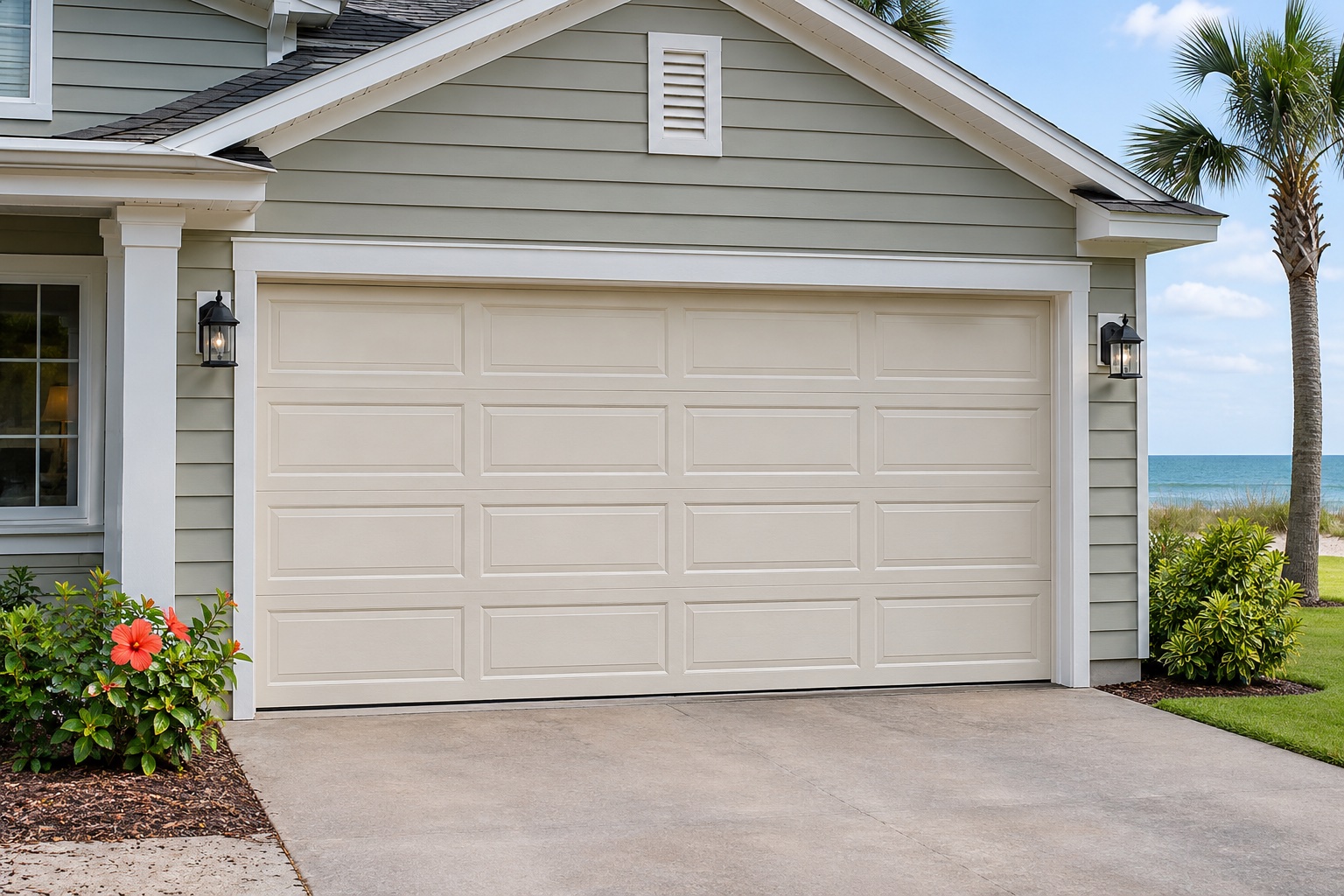
A garage door's appearance does not establish its wind resistance. Before storm season, identify the installed system and obtain a preparation plan for that exact door. A few extra screws or a stronger opener are not substitutes for a properly specified assembly.
1. Collect the door's identity
With the door closed and access safe, photograph any manufacturer and rating labels on its interior. Record the model, size and installation paperwork. Ask the manufacturer or installer to interpret unreadable or missing information rather than guessing from the number of reinforcing bars. Keep copies somewhere accessible if the garage cannot be entered later.
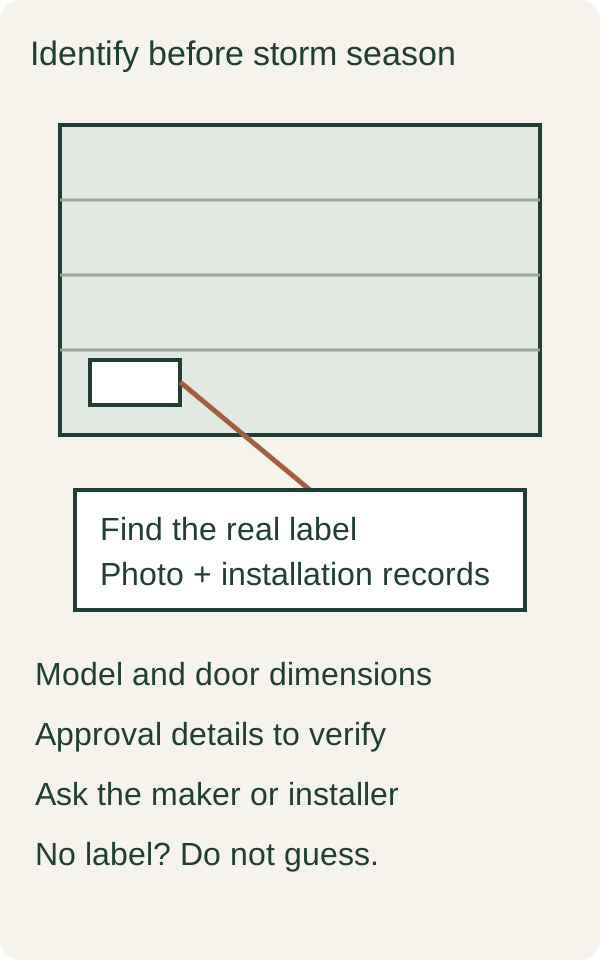
2. Ask the right verification questions
Give the installer your location and the actual door dimensions. Ask whether the installed configuration matches the applicable design requirements and approval documents, including its attachment to the building. Wind-pressure resistance and debris-impact protection are different questions; ask about both where relevant. Do not treat a hurricane category, a neighbor's door or an online wind-speed map as approval for your own assembly.
3. Inspect before there is a warning
Arrange service if the door is crooked, binding, visibly damaged or has missing hardware. Do not adjust springs, cables, tracks or structural anchors yourself. An inspection is particularly important after a previous storm or impact. Ask the technician to document the condition and any approved work needed, rather than simply selling a universal brace.
4. Understand your system's storm procedure
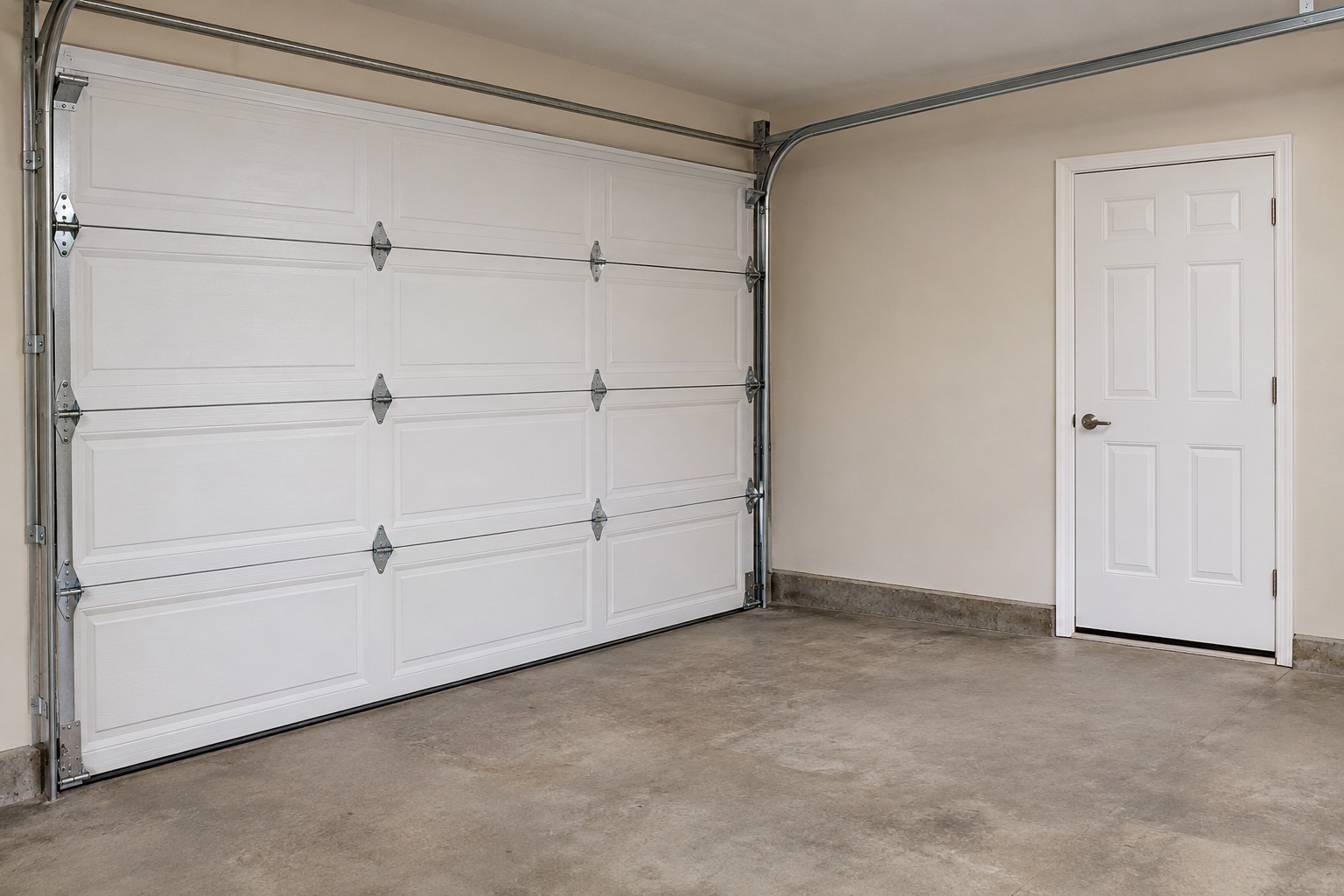
Some wind-rated systems have built-in reinforcement; others require specified removable components. Obtain the complete instructions and inventory well ahead of bad weather. Do not drill new anchors, stack loose lumber against the door or improvise reinforcement. If the documented setup cannot be completed safely, stop and use the household emergency plan instead.
Follow the door and opener manufacturer's instructions for closing and securing the system. If that procedure uses a manual lock or removable brace, prevent powered operation while it is engaged. Arrange a clear reminder and restoration procedure so nobody tries to run the opener against a locked or braced door.
5. Put evacuation ahead of the project
Decide who will handle preparation, when work stops and which exit remains available. Do not remain in the garage to hold the door or carry out repairs during dangerous winds. Follow local emergency directions. After the storm, avoid operating a displaced, bent or unstable door until professionally assessed.
Quick questions
Does an opener make the door wind-rated?
No.
Can I add any reinforcement kit?
No; compatibility and installation must be documented for the system.
Is a wind-rated door floodproof?
No; water-entry planning is a separate task.
Wind resistance is not flood protection. See Garage Door Flood Preparation: Barriers, Limits and Safe Exits.
Related Posts
 Practical Guide
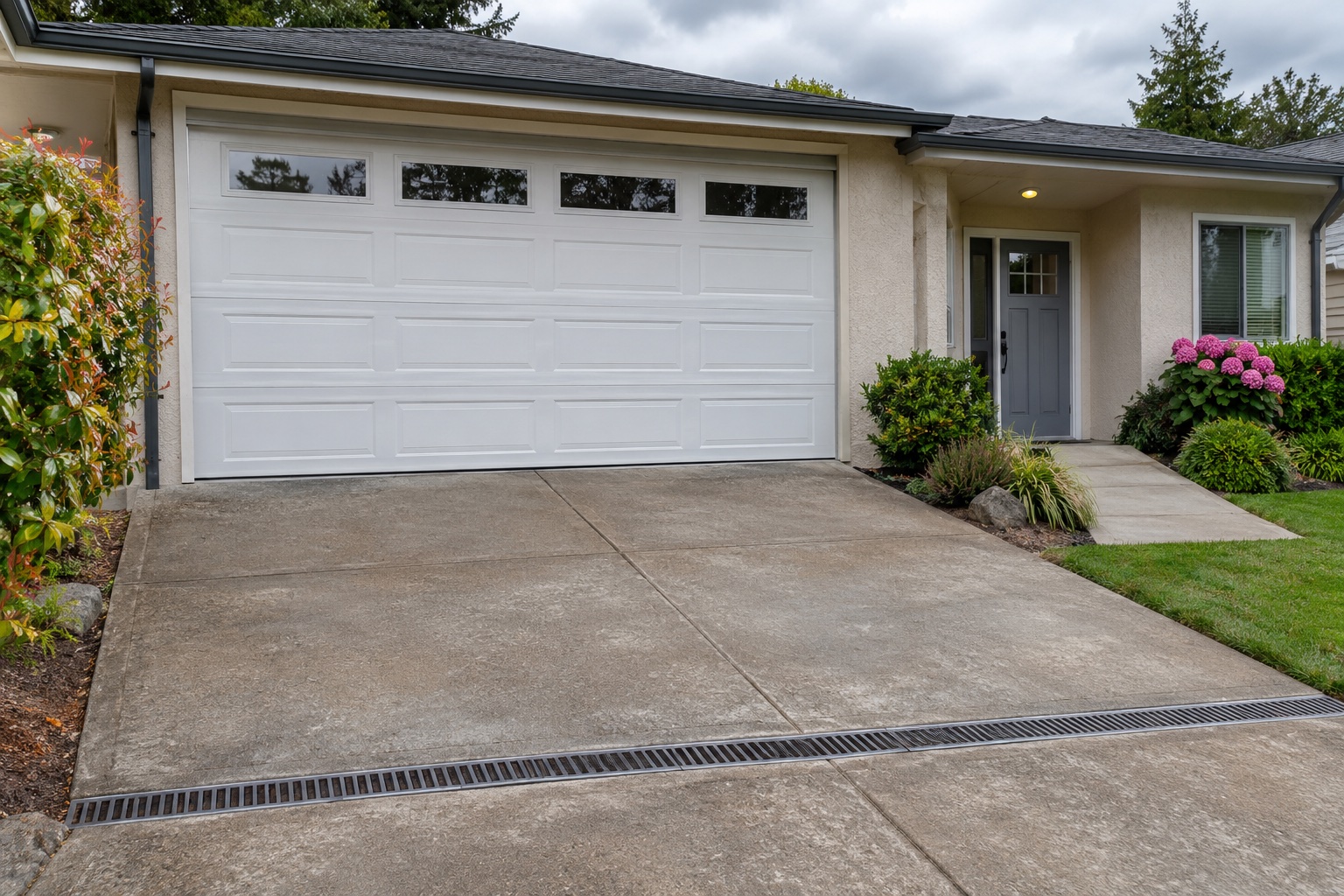
Garage Door Flood Preparation: Barriers, Limits and Safe Exits
Plan garage flood protection before water arrives: distinguish ordinary leaks from flooding, assess barrier limitations and keep evacuation and electrical safety first.
 Practical Guide
Plan a Garage Door Installation or Replacement
Organize a garage door replacement from site assessment and order confirmation to access, removal, testing and a useful owner handover.
Sources
Manufacturer instructions and references for this guide. Match the document to your exact product.
- Clopay: wind-load door systemswww.clopaydoor.com
- Clopay: identification and rating labelswww.clopaydoor.com