Plan a Garage Door Installation or Replacement
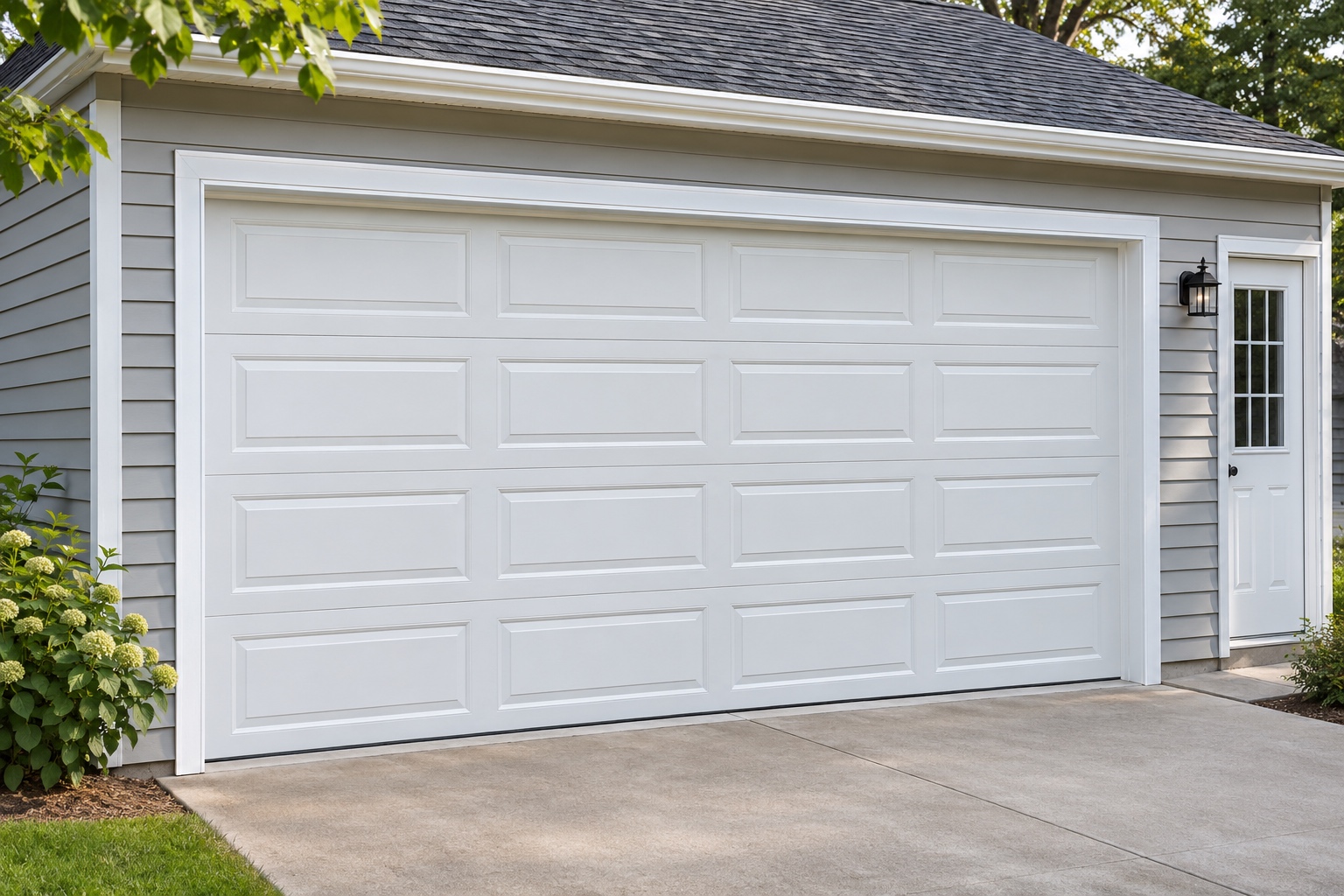
Plan a garage door installation as a sequence of decisions, not just a delivery date. Have the opening and proposed system checked, settle any building or electrical work, confirm the order, prepare access, and leave time for testing and an owner demonstration. A replacement door can look similar to the old one while needing different tracks, supports or opener arrangements.
This guide is for organizing a professional installation or whole-door replacement. It does not explain how to remove a loaded door, adjust springs, build structural supports or connect mains wiring. DASMA recommends trained door-system technicians for garage door installation. If the existing door is crooked, off its tracks or visibly damaged, tell the company before the visit and keep it out of use. Do not move it to improve a photograph.
1. Set the project boundary before choosing a date
Write down whether the job replaces a door in an unchanged opening, adds a door to a new garage, or changes the opening itself. These are different projects. Widening an opening, repairing damaged framing and installing an ordinary replacement door should not be treated as interchangeable tasks. Ask who assesses and completes any building work before the door crew arrives.
Then describe the result you need in everyday terms: a usable garage entrance, adequate passage for your vehicle and its accessories, the agreed appearance, and controls everyone in the household can use. List constraints such as a low ceiling, storage racks, a side entrance that must remain available, or the garage being the only practical route into the house.
Use the separate guides to deciding between repair and replacement, choosing an installer and comparing complete installation quotes for those decisions. Here, the goal is a workable plan after the project has been defined, not a price estimate or a reason to replace a serviceable door.
2. Arrange a site assessment, not just a size check
A useful site visit examines more than the width and height of the opening. Ask the installer to check the available space beside and above it, the depth into the garage, mounting surfaces, floor condition and anything within the door's proposed travel. Include the opener and its attachment in that assessment rather than assuming they sit outside the project.
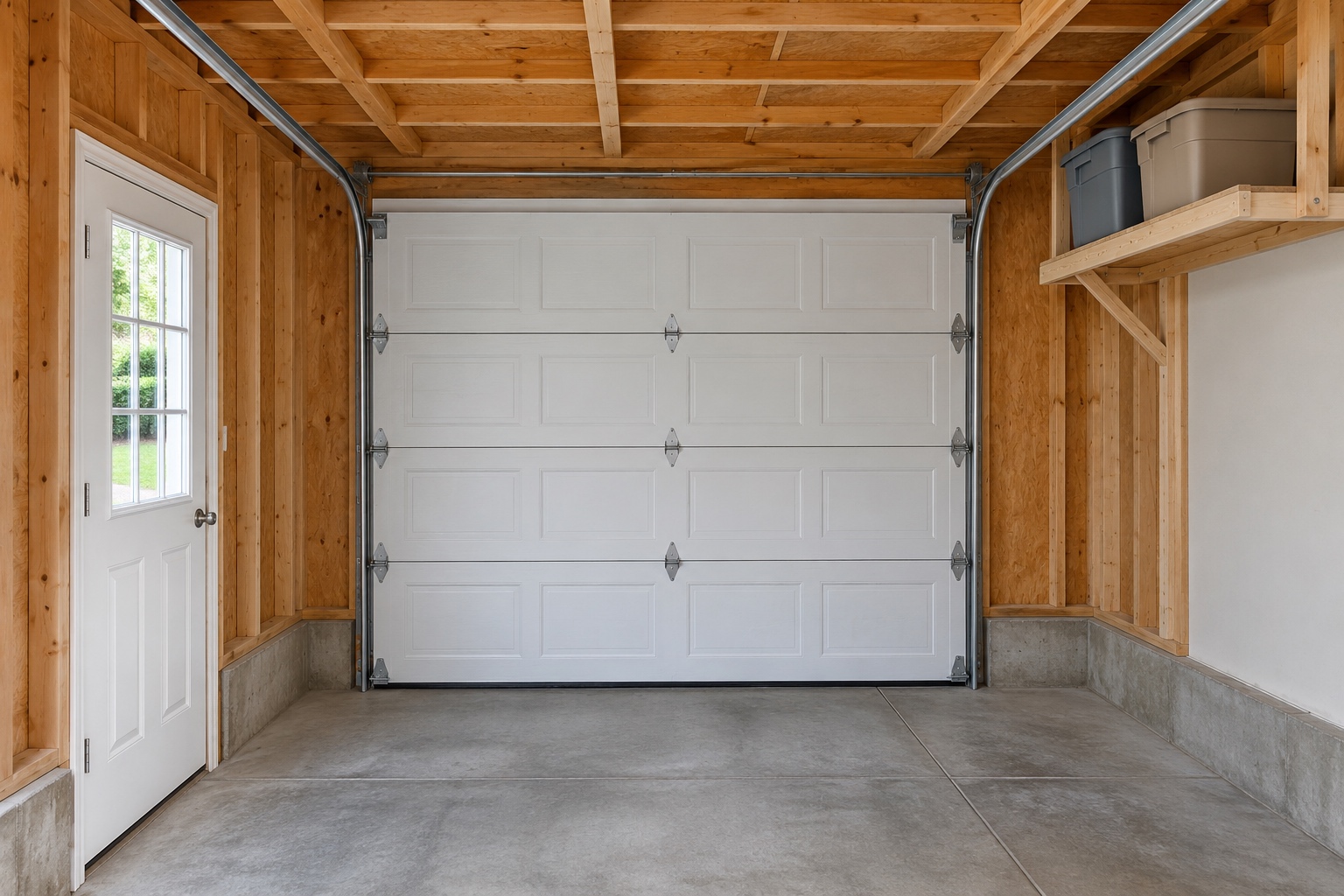
Provide existing manuals, model details and photographs taken safely from the floor. An interior overview helps show the layout; it cannot establish that a support is sound or that a new system will fit. Label any homeowner measurements as preliminary. Do not reach around springs or cables, climb onto stored items, or remove trim to obtain a number.
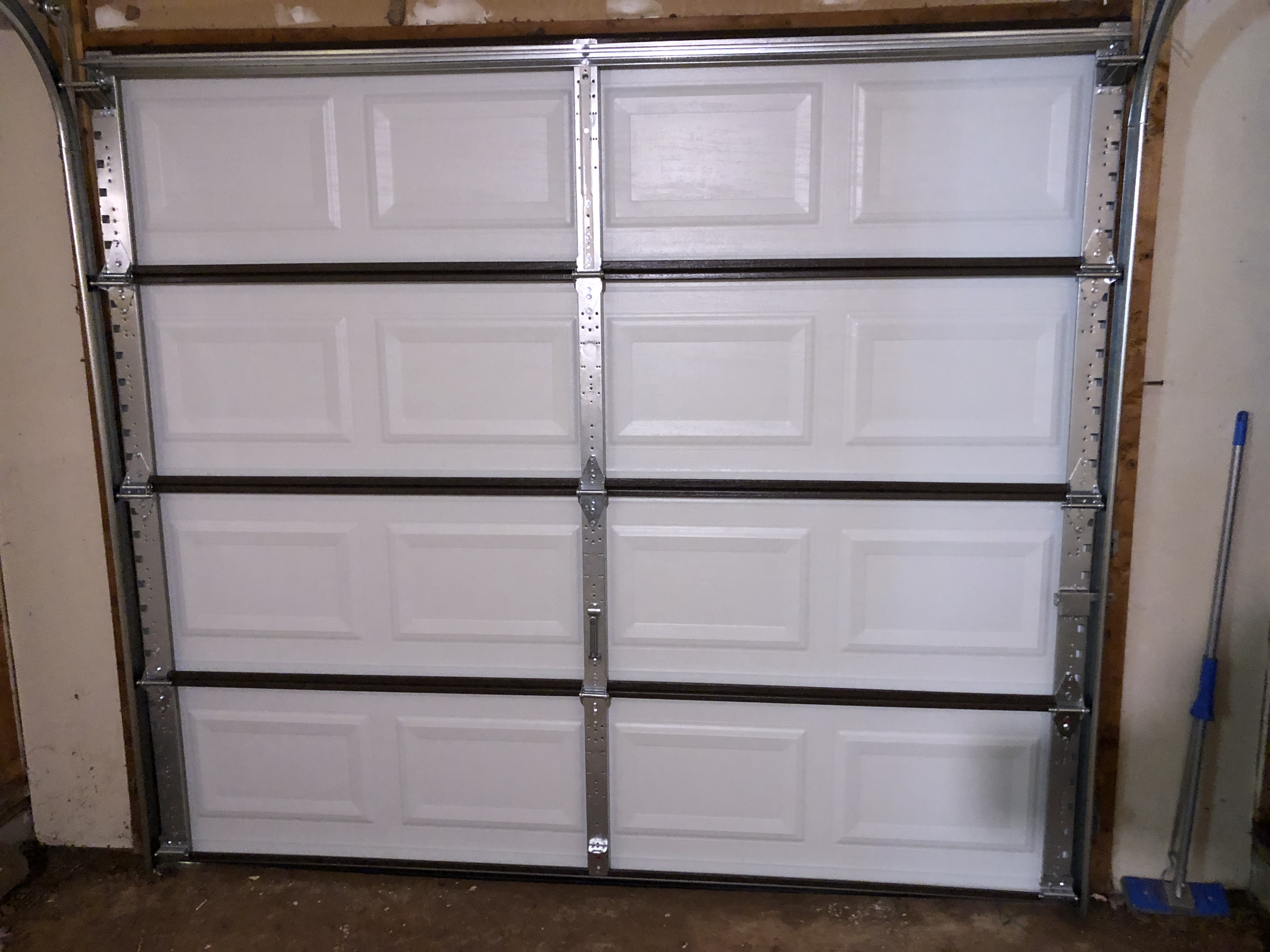
Clopay's measurement guidance distinguishes opening dimensions, sideroom, headroom and backroom. Its stated allowances depend on the system described; they are not universal numbers for every door. Ask for the final system-specific requirements in writing. Record who must resolve an obstruction and who confirms the site is ready afterward.
3. Close the open decisions before releasing the order
Keep one order record with the exact door model, dimensions, finish, window arrangement and other selected options. Ask the company to identify the matched track and counterbalance arrangement. If a substitution is proposed, have the changed specification explained before accepting it; a similar exterior does not establish equivalent construction or operating space.
Decide separately whether the opener will remain, be replaced or be installed later. Have the installer confirm compatibility and the required door reinforcement. An opener should not be used to compensate for a poorly balanced door. DASMA's opener guidance highlights both balance and the importance of the correct attachment.
Make the unresolved-items list visible: site repair, electrical supply, approval documents, final measurements, or a product detail still awaiting confirmation. Ask the company which items must be closed before ordering. For permit or other local requirements, confirm the responsible party and applicable process with the relevant authority; this guide does not establish what your address requires.
Agree on a change contact. If a decision is needed while you are away, the crew should know whom to reach and whether affected work must wait. This is a practical way to avoid an improvised substitution, not permission for open-ended extra work.
4. Separate delivery timing from installation readiness
Ask for three distinct milestones: the specification is confirmed, the equipment is available, and the installation appointment is booked. Do not organize essential household access around a tentative delivery estimate. Ask how delays, missing parts or damaged deliveries will be communicated, and when the appointment becomes firm.
Clopay's published Home Depot order process separates site inspection, ordering and installation scheduling. That is a useful example of staged planning, not a universal lead-time promise. Your provider should explain its own process and the expected duration for your actual job.
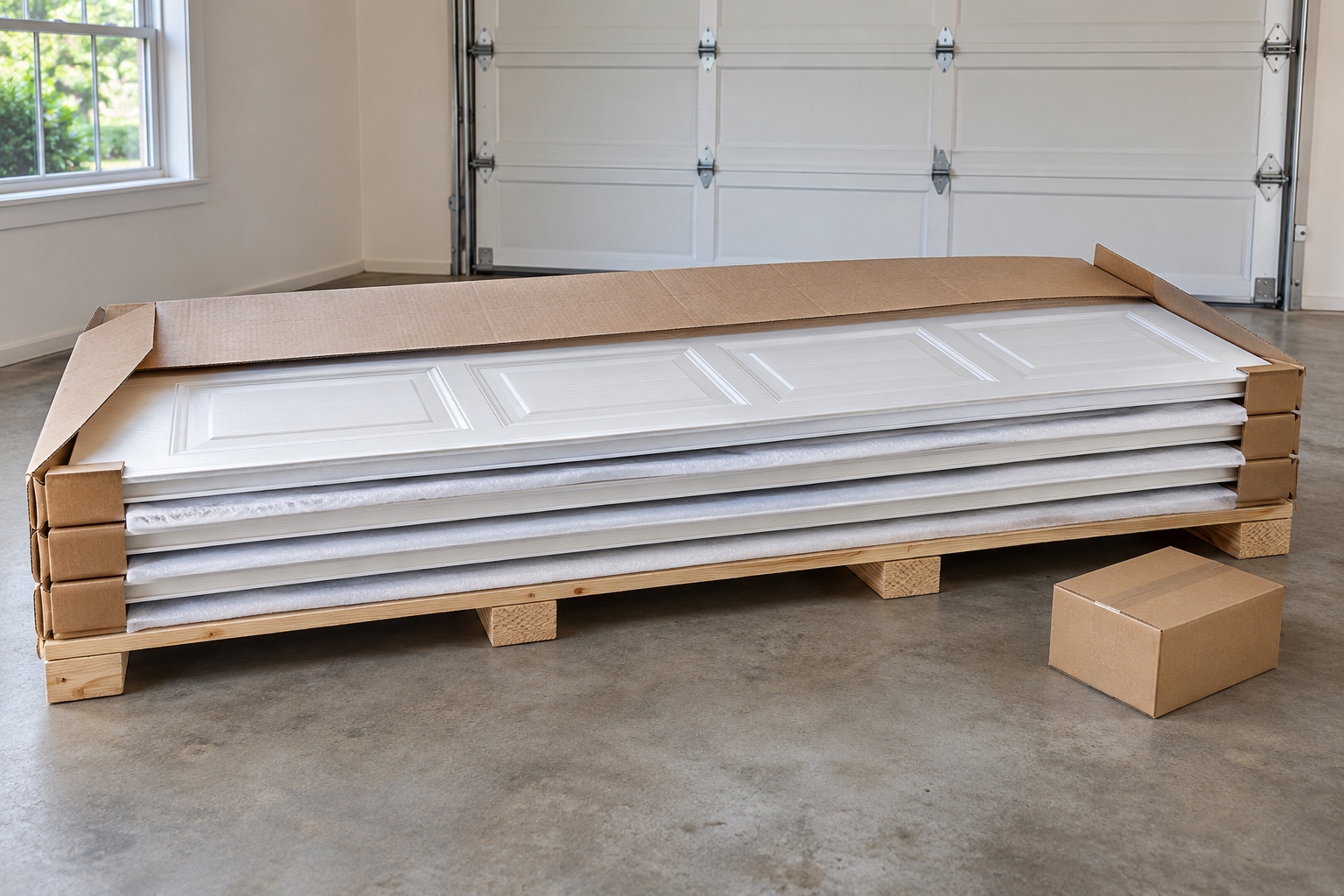
Confirm whether the crew brings the door or it arrives separately. If storage is necessary, request suitable conditions and a place that does not obstruct escape or the existing mechanism. Ask who checks the delivery and what to do if the product does not match the order. Do not dismantle the old door yourself to make space.
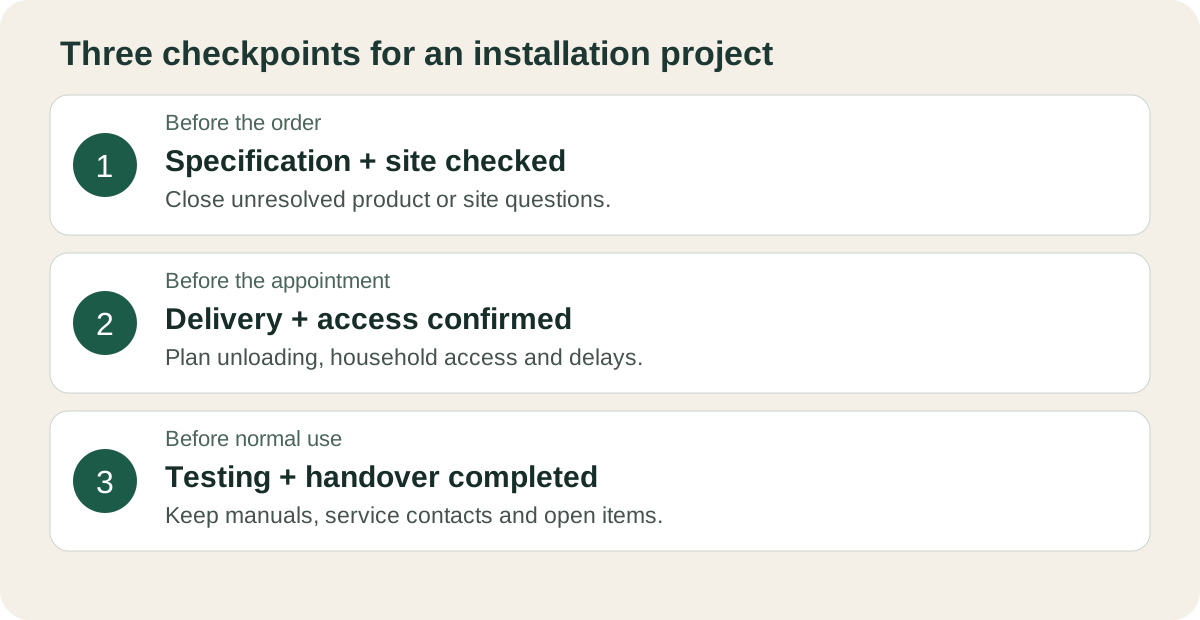 Open full diagram
5. Prepare the work area and household access
Ask the installer to specify the clear working area inside the garage and the space needed outside for unloading. Move vehicles before the agreed work window. Relocate bikes, bins, loose tools and other movable belongings as directed, without touching the door hardware. Do not assume that clearing a narrow walking path is enough.
Before the visit, discuss fixed shelving, ceiling storage and items you cannot safely move. Leave removal of anything structural or connected to the mechanism to the appropriate professional. Keep people and pets out of the work zone, and arrange another route for deliveries, school departures and household errands.
Confirm that someone with authority to discuss the agreed job will be available, either on site or as arranged with the provider. Keep essential belongings and vehicle keys accessible outside the work area. If the garage has no other entrance, explicitly discuss access during the work and what happens if the job cannot be completed that day.
Have a weather and security contingency. Ask how an unfinished opening would be left secure, who supplies any temporary protection and how the next visit is arranged. Do not plan to use an incomplete or untested door as a temporary closure.
6. Agree on removal, cleanup and unexpected findings
Ask whether the crew removes the complete old door system, which components remain, and who takes away packaging and scrap. If you want to keep a decorative item, identify it before work starts and ask whether it can be separated safely. Do not reserve a spring or cable assembly for your own dismantling.
Set a simple stop-and-contact procedure for damaged mounting material, a wrong component or an unexpected obstruction. Ask for a description and, when useful, a photograph of the finding, the proposed next step and the effect on timing. The affected work should not quietly change just because equipment has arrived.
Clopay describes removal, installation, testing and cleanup within its dealer installation process. Use that as a prompt to confirm your provider's actual responsibilities. Do not assume every delivery-only purchase or installation agreement includes the same services or disposal arrangements.
7. Reserve time for the completed-system handover
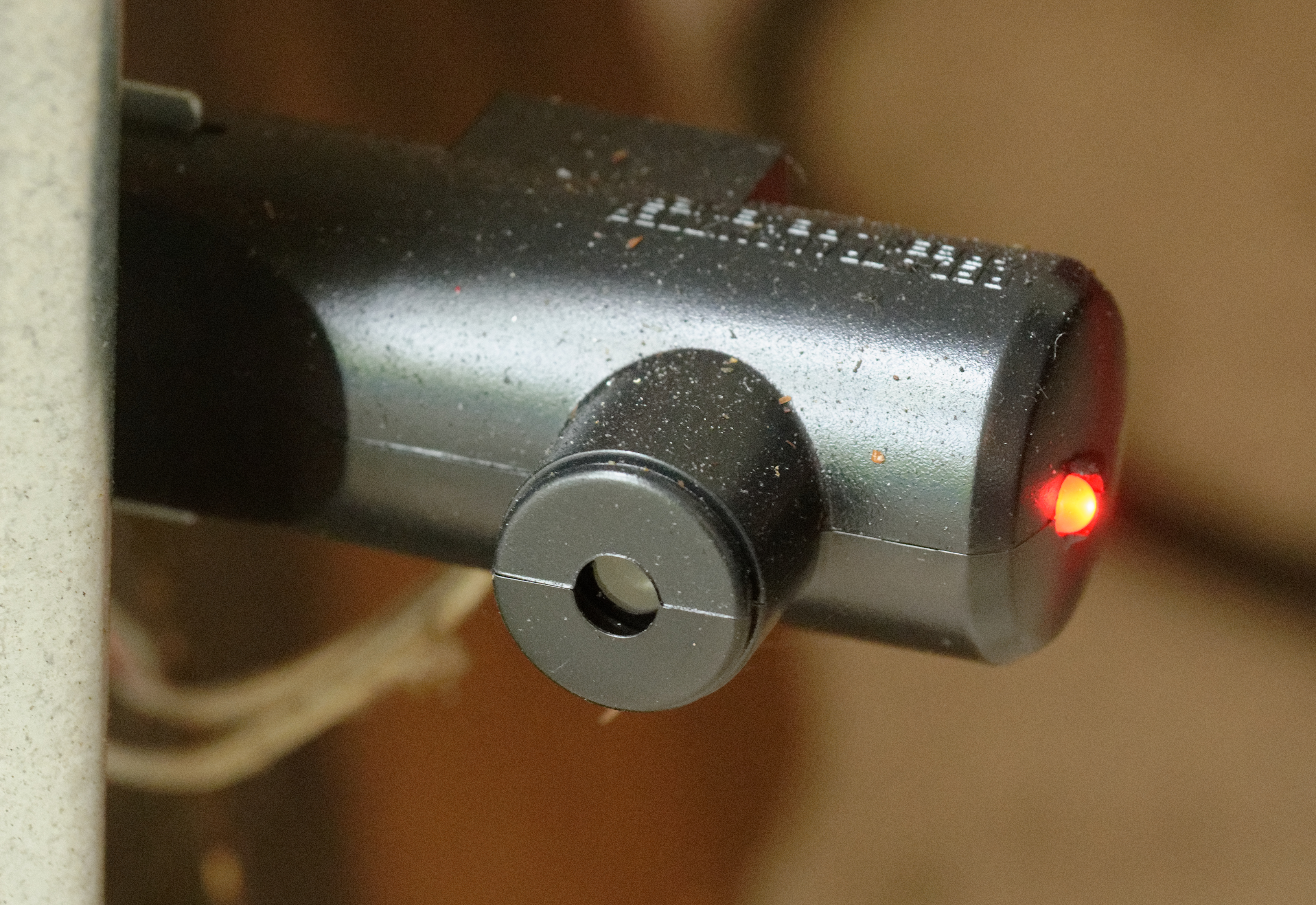
Before the crew leaves, ask for a demonstration of normal operation, the applicable safety checks and the owner procedures specified in the actual door and opener manuals. Observe from the position the technician identifies. Do not stand beneath the door to test protection with your body, and do not accept a claim that a failed check is harmless.
Collect the installed model information, manuals, warranty documents, service contact and any inspection or completion records that apply to the project. Have remaining issues written down with the next action and responsible person. Clarify whether the system is ready for use; an unresolved operating or safety problem is not a cosmetic punch-list item.
The DASMA safety and maintenance guide emphasizes model instructions and ongoing checks. Ask the installer to show which owner tasks are appropriate and which require service. Keep the project record together so future maintenance starts with the installed specification rather than a guess.
Common planning questions
How long should I keep the garage unavailable?
Get a job-specific work window and contingency from the installer. Door type, site repairs and unresolved delivery issues can change the schedule. A generic time estimate is not an access plan.
Should I remove the old door before the appointment?
No. Arrange professional removal as part of the job. Removing a loaded door or spring system is not ordinary household preparation.
Can I keep the old opener?
Only if the proposed combination is assessed and accepted by the installer using the relevant instructions. Put that decision into the project record before installation day.
What if the delivered door is not the one I approved?
Contact the responsible company before installation proceeds. Compare the identification and specification with the order, and agree on a documented correction or acceptable change rather than treating delivery as acceptance.
Related Posts
 Practical Guide
How to Choose a Garage Door Installer
Check a garage door installer's identity, qualifications, system experience, warranty support and handover before you hire.
 Planning Guide
Garage Door Cost: How to Compare Complete Installation Quotes
Understand garage door cost components, installation exclusions, and the information needed for a reliable like-for-like quote.
Sources
Manufacturer instructions and references for this guide. Match the document to your exact product.
- DASMA recommends trained door-system technicians for garage door installationwww.dasma.com
- Clopay's measurement guidancewww.clopaydoor.com
- DASMA's opener guidancewww.dasma.com
- published Home Depot order processlinks.clopay.com
- Clopay describes removal, installation, testing and cleanupwww.clopaydoor.com
- DASMA safety and maintenance guidewww.dasma.com
Photo credits
- An interior overview records the existing arrangement for a site discussion. It does not prove that hardware can be reused or that the opening is ready for a different door. Famartin · Wikimedia Commons · CC BY-SA 4.0 Wikimedia Commons CC BY-SA 4.0
- A photoelectric sensor is part of the completed-system safety assessment. An indicator light alone is not a completed safety test, and this close-up does not establish mounting height. Ask the installer to demonstrate the model-specific checks. Jud McCranie · Wikimedia Commons · CC BY-SA 4.0 Wikimedia Commons CC BY-SA 4.0

