Solar Gate Openers: Assess the Site and Power Demand
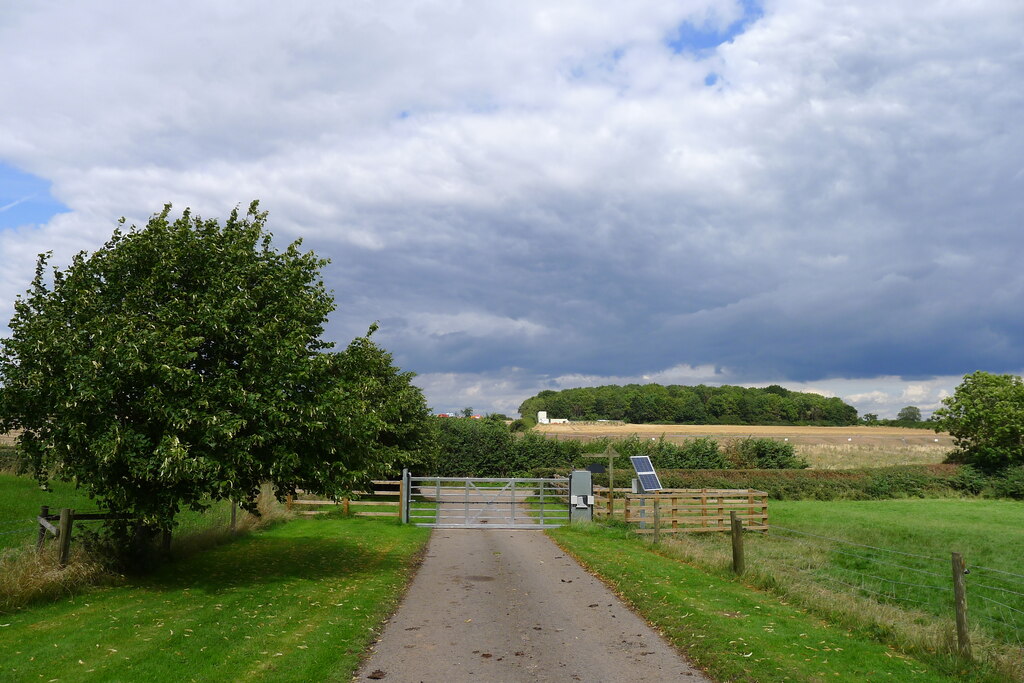
A solar gate opener is an energy system, not simply an electric opener with a panel added beside it. It needs a compatible operator, charging equipment, storage and a realistic allowance for daily use and poor solar conditions. The question is whether that combination can support your particular entrance, not whether the driveway receives sunshine at noon.
This guide focuses on day-to-day solar supply and site assessment. Battery backup during a mains outage is a different planning problem. Neither arrangement removes the need for a safe gate, compatible entrapment protection and professional commissioning.
1. Confirm that the proposed operator supports solar
Start with the exact model and current documentation. Some systems are designed for solar operation; others accept particular solar equipment or require a different control enclosure. A panel described as universal does not establish compatibility with an operator's charging circuit.
Ask the installer to identify the supported configuration and its documentation in the quote. Record the operator variant, charging equipment, battery specification and permitted accessories. Do not substitute a similar-looking component because its nominal rating appears close.
The SwingSmart 535 manual has a dedicated solar section, distinct from its mains-power instructions. It is a useful example of why the complete model-specific arrangement matters. Its component values are not a shopping list for a different gate.
If supplier literature and a newer manual disagree, request clarification before ordering. Battery chemistry and charging requirements are not details to resolve through guesswork. This guide intentionally gives no universal panel wattage, battery capacity or connection instructions.
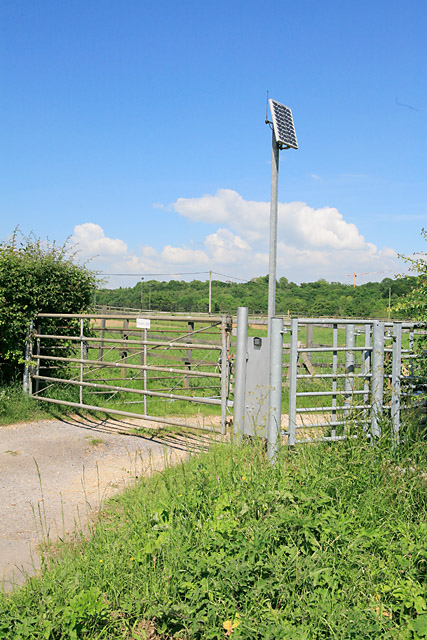
2. Assess the panel location through the difficult season
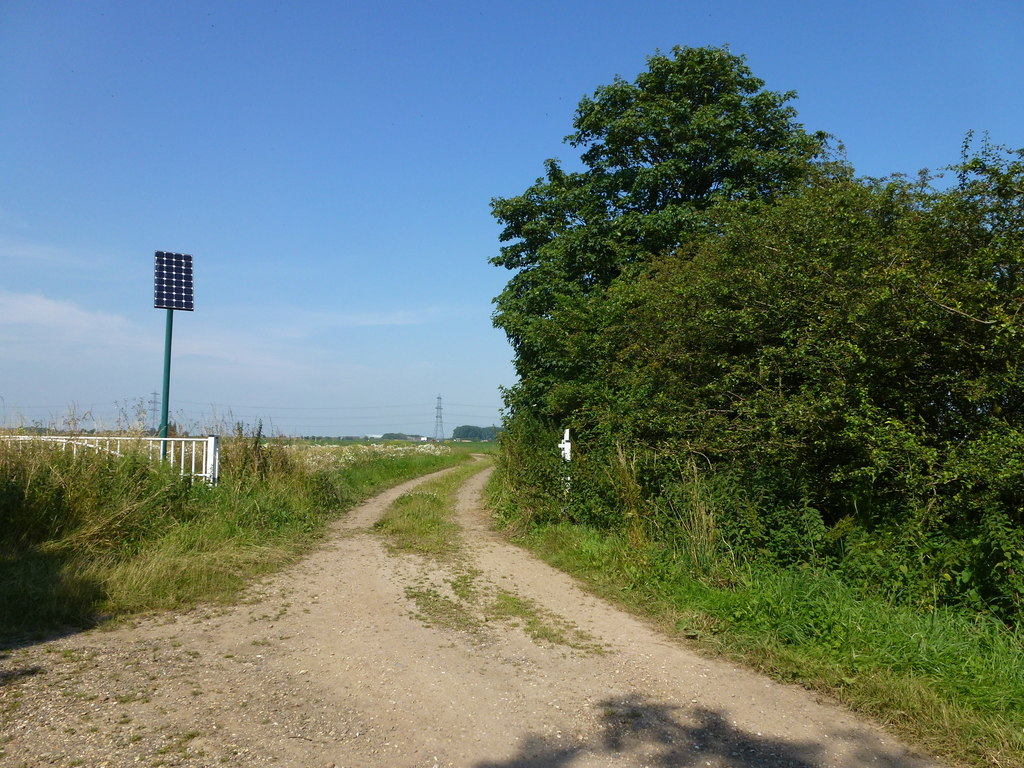
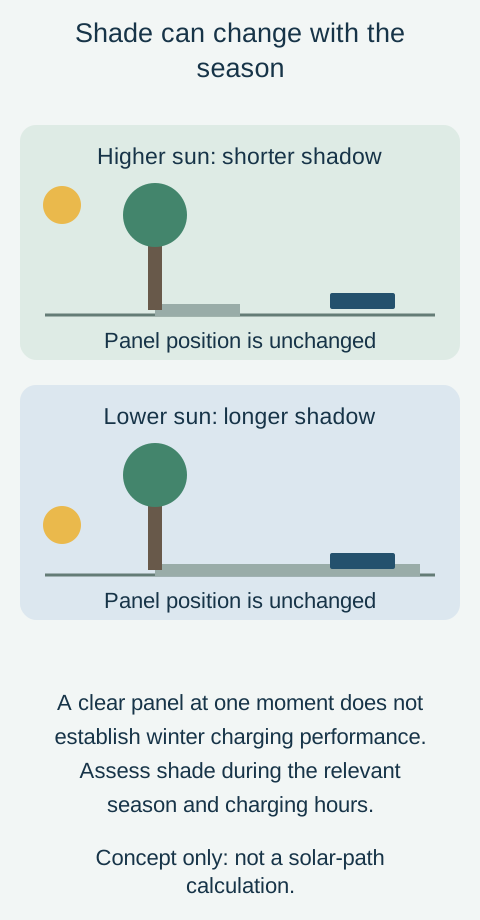
Look beyond a sunny photograph. Describe trees, buildings, fences and other features that could shade the proposed location, including seasonal changes. A clear summer afternoon does not establish the energy available on short winter days.
Ask the designer what local solar resource information and seasonal assumptions support the proposal. Manufacturer maps or planning tools may be useful within their stated scope; a regional category does not remove a tree's shadow from your property.
The panel does not necessarily belong immediately beside the operator. Its position must also suit the manufacturer's installation limits, cable route, physical protection and maintenance access. Have those matters designed rather than moving the panel yourself to whatever spot looks brighter.
Consider practical care. Can the panel be inspected and cleaned according to its instructions without unsafe climbing or reaching into the gate's movement area? Will vegetation grow into its solar exposure? Identify who is responsible for that maintenance.
 Open full diagram
3. Count the complete daily electrical demand
Describe normal gate activity and the busiest plausible day. Ask what the proposed operator counts as a cycle, and whether the estimate refers to a complete open-and-close sequence. For a double gate, have the contractor account for the whole arrangement rather than copying a single-leaf example.
Include equipment that uses power while the gate is stationary. Receivers, vehicle detectors, communications equipment and other accessories can change the budget. Request an itemized load assessment instead of relying only on the motor's operating demand.
The solar-planning discussion in the manufacturer's manual considers both gate activity and accessory consumption. Do not turn that into an instruction to remove safety devices. Use supported low-consumption equipment where appropriate and keep all required protection.
Tell the installer about planned additions before the system is sized. A future intercom or network controller should not be treated as free energy. Ask which loads are included, which have their own supply and what changes would require the calculation to be revisited.
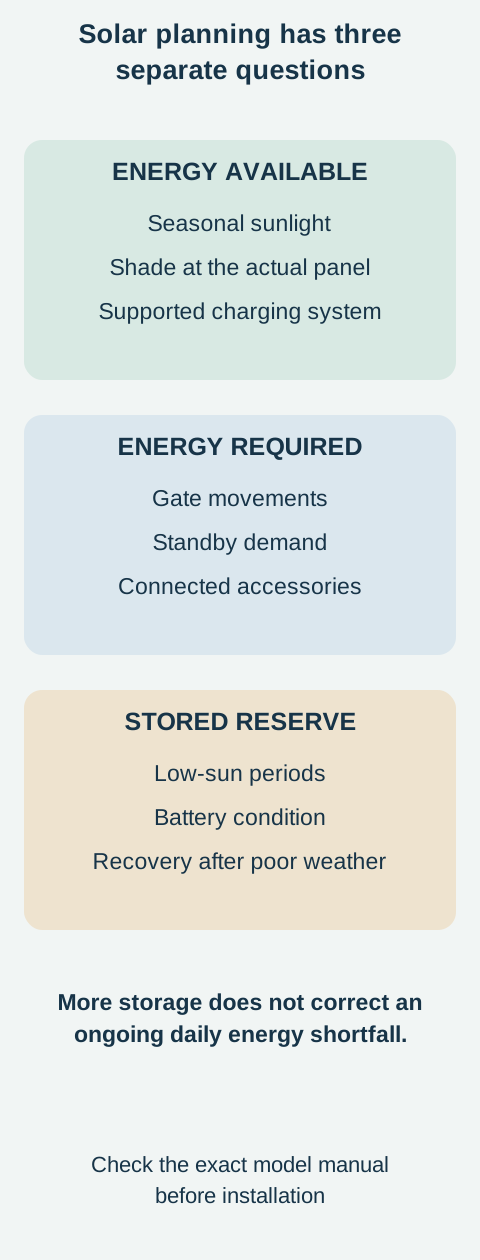
4. Separate daily charging from stored reserve
The panel supplies energy when conditions permit; storage supports operation between charging periods. A large battery does not correct a persistent daily energy shortfall. It may simply take longer for the shortage to become apparent.
Ask for an explanation of two different checks: whether the proposed charging arrangement covers expected consumption in the design season, and whether storage covers the agreed low-sun period under the assumed use. Those are planning targets, not promises of unlimited operation.
Do not translate battery amp-hours directly into a guaranteed number of gate cycles. The useful reserve depends on the complete system and its conditions. Ask what happens when the reserve becomes low and how the owner will recognize the condition without opening an electrical enclosure.
Discuss the recovery period after prolonged poor weather. If the household resumes heavy use while the battery is still recovering, the original normal-day assumption may not apply. The installer should explain any operating restrictions and the supported alternative access arrangements.
 Open full diagram
5. Check accessories against the actual solar configuration
Compatibility can differ between mains-powered and solar-powered versions of related equipment. For example, the DoorKing 1800-500 manual excludes use with the solar-powered 6524 and 9024 arrangements shown in that document. That is a specific restriction, not a statement about every DoorKing product or every phone-access system.
Ask the installer to verify each accessory against the exact operator, power configuration and current documentation. An accessory that works electrically in one installation may still be unsuitable for the proposed energy budget or unsupported by its manufacturer.
Keep communications and gate motion as separate questions. A phone interface may need networking equipment that has its own power dependency. Do not assume a solar-powered gate means every linked service remains available during a household power or internet failure.
Do not fit a generic power supply, charger or extra battery to overcome an incompatibility. Have the design changed with supported components or choose another arrangement. Safe, predictable access is more useful than an impressive list of connected features.
6. Compare solar with the full mains-power alternative
A fair comparison includes the complete work, not just the solar panel versus a length of cable. Request scopes covering the operator, installation, power provision, protection, controls, commissioning and maintenance. Ask what ground or electrical work each option actually needs.
Solar may be attractive where an appropriate mains supply is difficult to provide, but it is not automatically the lowest-cost or lowest-maintenance answer. Ask how battery replacement, vegetation management and service visits are treated over the comparison period.
Keep financial incentives separate from technical suitability. Do not assume a tax credit or rebate is available because a product page mentions one. Verify any proposed incentive through the current program and your own eligibility before including it in a purchasing decision.
Request an explicit list of exclusions. If the proposal depends on removing a tree, relocating a panel or changing an accessory, establish who will do that work and whether it is included. Do not accept a performance estimate based on improvements nobody has agreed to make.
7. Establish handover and ongoing checks
Ask for the final model list, solar assessment assumptions, operating instructions and maintenance requirements. The handover should explain normal indicators, low-energy behavior, supported access when automation is unavailable and the person to call for service.
Have the installer demonstrate the system using the manufacturer's commissioning procedure. A few successful movements on a sunny day do not verify the difficult-season assumptions. Ask how the proposed performance will be evaluated and what evidence is recorded.
From a safe location, note changes such as growing shade, visible panel damage or a new pattern of poor-weather failures. Report them with dates and conditions. Do not probe battery terminals, rewire panels or increase gate force to keep the system moving.
Follow the owner's instructions for routine care and arrange professional service for electrical or mechanical problems. Gate safety guidance remains applicable regardless of the energy source: keep people away from motion and do not bypass protection.
Frequently asked questions
Will a solar gate work at night?
A properly designed system uses stored energy when the panel is not charging. Whether a particular installation meets your overnight needs depends on its condition, storage and use.
Can I fix low energy by adding a bigger panel?
Not without a compatibility review. Charging equipment and manufacturer limits still apply, and the underlying issue may be shading, a battery problem or an unaccounted load.
Is a solar panel enough to eliminate battery maintenance?
No. Solar charging does not make storage permanent or remove the need for inspection and service under the actual manufacturer's instructions.
How many daily cycles can I expect?
Use the selected model's documented assessment with the site's solar conditions, gate demand and accessories. A number from another installation is not a dependable promise for yours.
Related Posts
 Practical Guide
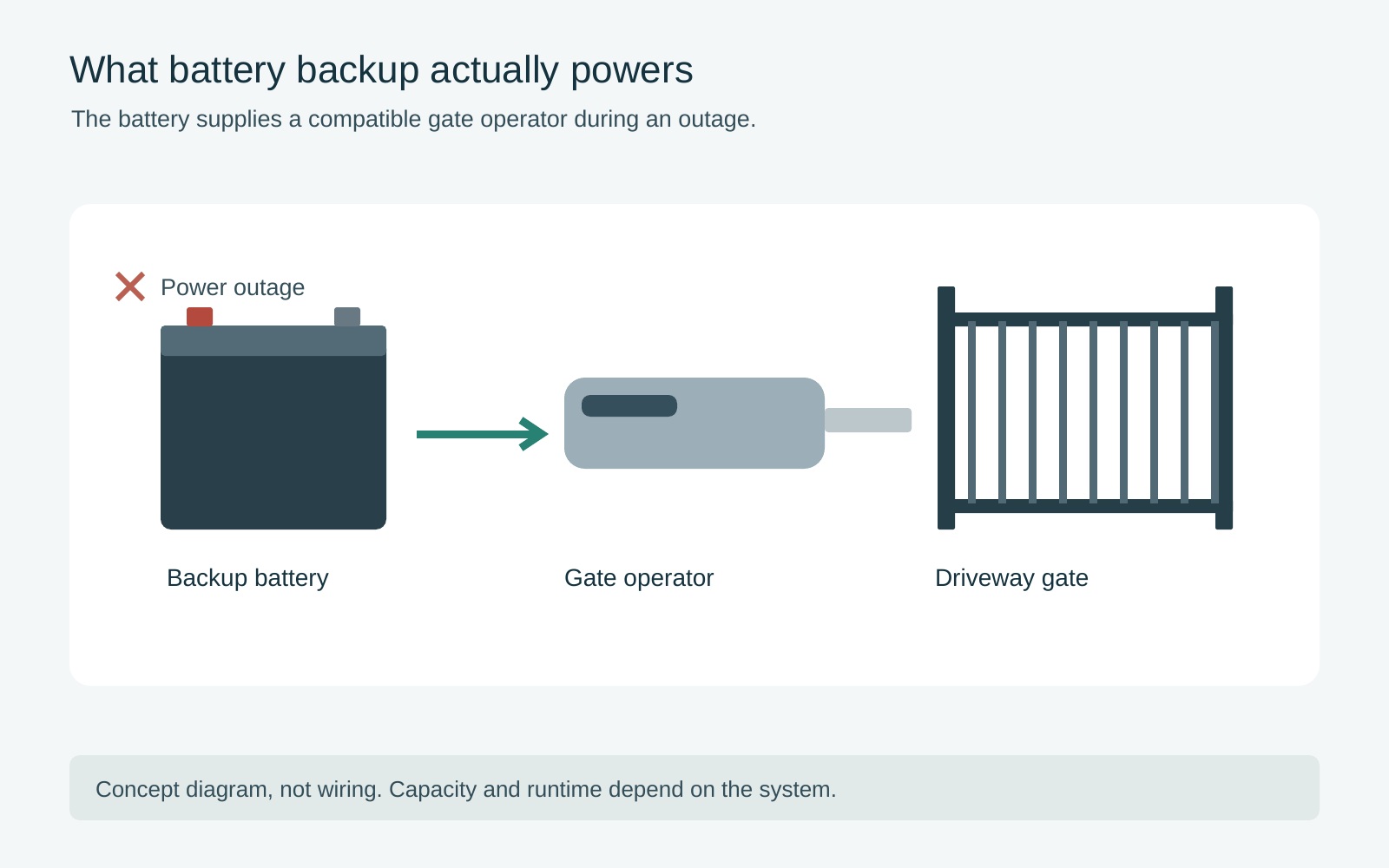
Gate Battery Backup: Operation, Reserve and Limits
Plan essential gate access during an outage, check backup dependencies and low-energy behavior, and avoid unsupported runtime promises.
 Practical Guide
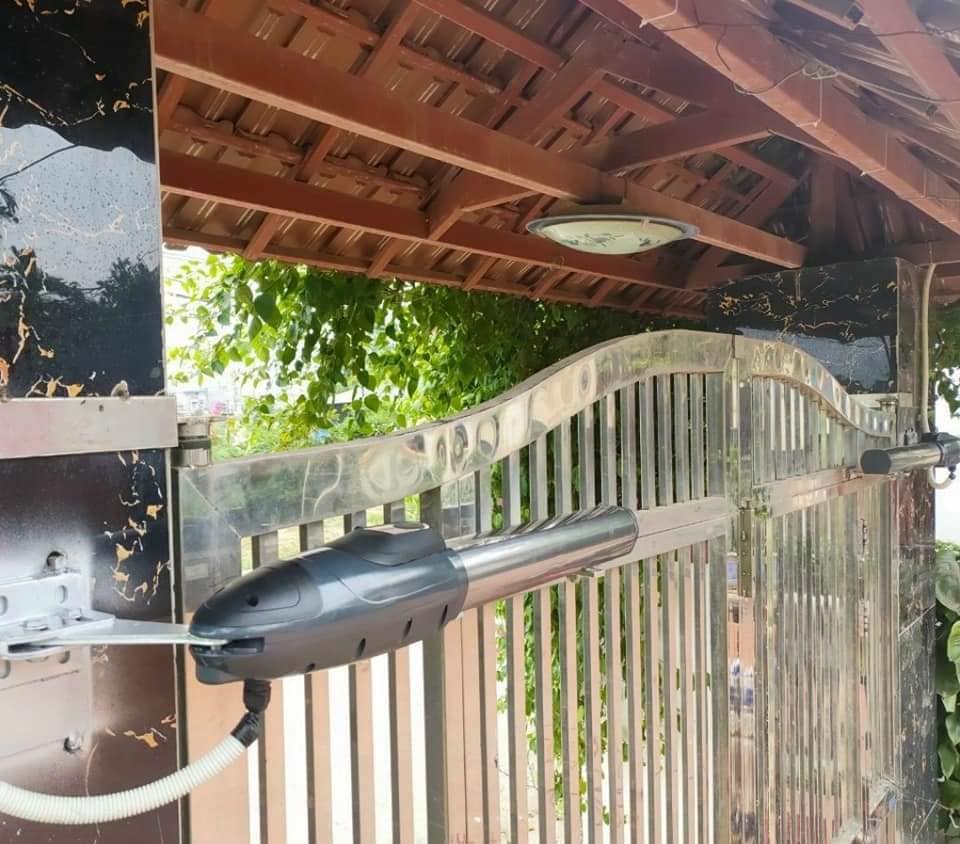
How to Choose a Gate Opener: Weight, Length, Wind and Cycles
Compare gate-opener capacity, wind exposure, duty and power requirements, then request a complete model-specific installation proposal.
Sources
Manufacturer instructions and references for this guide. Match the document to your exact product.
- The SwingSmart 535 manual · manufacturer's manual · SwingSmart 535 Advanced Installation and Programming Manual D1292 Rev.A ©2026support.hysecurity.com
- DoorKing 1800-500 manual · DoorKing Smart Gate Controller1800-500 manual1800-065-E-10-24www.doorking.com
- Gate safety guidance · DASMA: Safety Tips for Gate Openerswww.dasma.com
Photo credits
- Rural gate entrance with a solar panel and control cabinet. Panel sizing and usable energy depend on the documented system and site. Tim Heaton · CC BY-SA 2.0 · Unmodified photograph. Tim Heaton CC BY-SA 2.0
- A solar-powered entrance gate at Fotley Mill. Panel sizing and battery performance remain specific to the documented system. Peter Facey · CC BY-SA 2.0 · Unmodified photograph. Peter Facey CC BY-SA 2.0
- An elevated panel beside a rural entrance illustrates the importance of surveying panel location and nearby vegetation. The photograph does not quantify shade or charging output. Richard Humphrey · CC BY-SA 2.0 · Unmodified photograph. Richard Humphrey CC BY-SA 2.0
