How to Read a Garage Door Repair Estimate Before Approving Work

Compare the same repair scope, not just the bottom line. Ask what fault was found, which parts and labor are included, what remains uncertain and how extra work will be approved. A useful written estimate lets you connect each charge to a described task.
This is a way to organize a repair decision, not a price list or a diagnosis from a photograph. An estimate made before an inspection may contain assumptions. Mark those assumptions clearly and ask what will happen if the inspection changes them.
1. Describe the problem before comparing prices
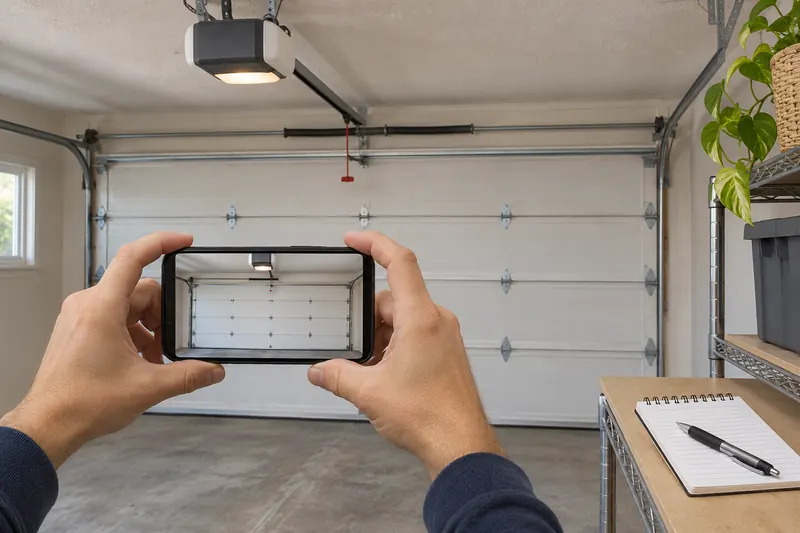
Write a short account of the symptom and when it started. Include model information you can read safely and photos from the floor. Tell the company about visible cable, spring or track damage before the visit. Keep a damaged door out of use; do not operate it just to produce a better video. Ask whether a visit has a separate diagnostic or call-out fee and whether that fee is credited toward approved work.
2. Ask for a named repair scope
The estimate should distinguish the reported symptom from the technician’s finding and proposed remedy. Ask which component is being repaired or replaced and why that work addresses the fault. Request a description of replacement parts, quantities and compatibility. A vague line such as “door repair” leaves room for misunderstanding. If several options are offered, ask which are needed for safe operation and which are optional improvements.
3. Compare inclusions line by line
Put the estimates beside each other and mark parts, labor, travel, removal, disposal, tax and any required follow-up separately. Ask whether adjustment and the manufacturer’s applicable safety checks are included at completion. Do not assume a lower price covers the same scope. For a spring-specific quote, use the separate guide to comparing spring replacement costs; it addresses details that do not belong in every repair estimate.

4. Agree how changes are authorized
Ask the company to explain how it will document an unexpected finding, the revised work and its cost before proceeding. Record the person who can approve changes and keep a copy of the revised description. Discuss timing, payment stages and what happens if a required part is unavailable. Verify the business and applicable licensing requirements with the relevant local authority. Do not rely on pressure to sign immediately as evidence that a repair scope is correct.
5. Keep the completion record
After the repair, ask for an itemized invoice, the installed part information and the written terms for parts and labor coverage. Have the technician explain normal operation and the appropriate safety checks for your equipment. Keep the estimate, approved changes, invoice and photographs together. If the original product might have coverage, prepare the records described in making a garage door or opener warranty claim; coverage must be confirmed rather than deducted from the quote by assumption.
A practical comparison sheet
Use five headings for each company: finding; proposed work; included charges; excluded or uncertain work; approval and coverage terms. Put unanswered questions in their own column. If two proposals disagree about the cause, ask each company to explain the evidence. A second opinion is more useful when it addresses the disagreement than when it merely supplies another total.
Common questions
Is the lowest estimate necessarily the best choice?
No. First compare the work, parts, exclusions and the company’s qualifications. A lower total may describe a different job.
Does an estimate guarantee that nothing will change?
Do not assume that. Ask which findings are confirmed, which are provisional and how any revised scope will be approved.
Should I approve a new part just because it is recommended?
Ask what condition was found, how the part fits the equipment and whether it is necessary for the agreed repair or an optional upgrade.