How to Reengage a Garage Door After Manual Use
Quick answer
This is a pre-reconnection safety guide for identifying when the exact model procedure is appropriate; it is not a universal cord-pull sequence.
Reengage a garage door only when the door is fully closed, appears intact, and the exact opener manual identifies the reconnection method. There is no universal direction for the emergency-release handle. If the door is crooked, a cable is loose, a spring is broken, or the reason for disconnection remains unresolved, leave it out of service and arrange professional assessment.
Stop before moving anything. Reconnection does not repair a door. Never use the opener to pull a damaged door into position, and never pull the release on an unsupported open door.
What “reengage” actually means
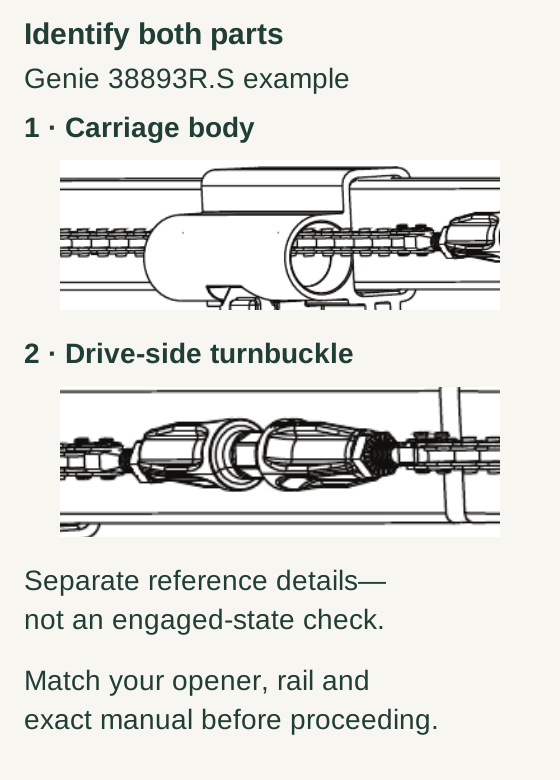
Scroll within the image if needed, or open the full-size view. The key details are also written below.
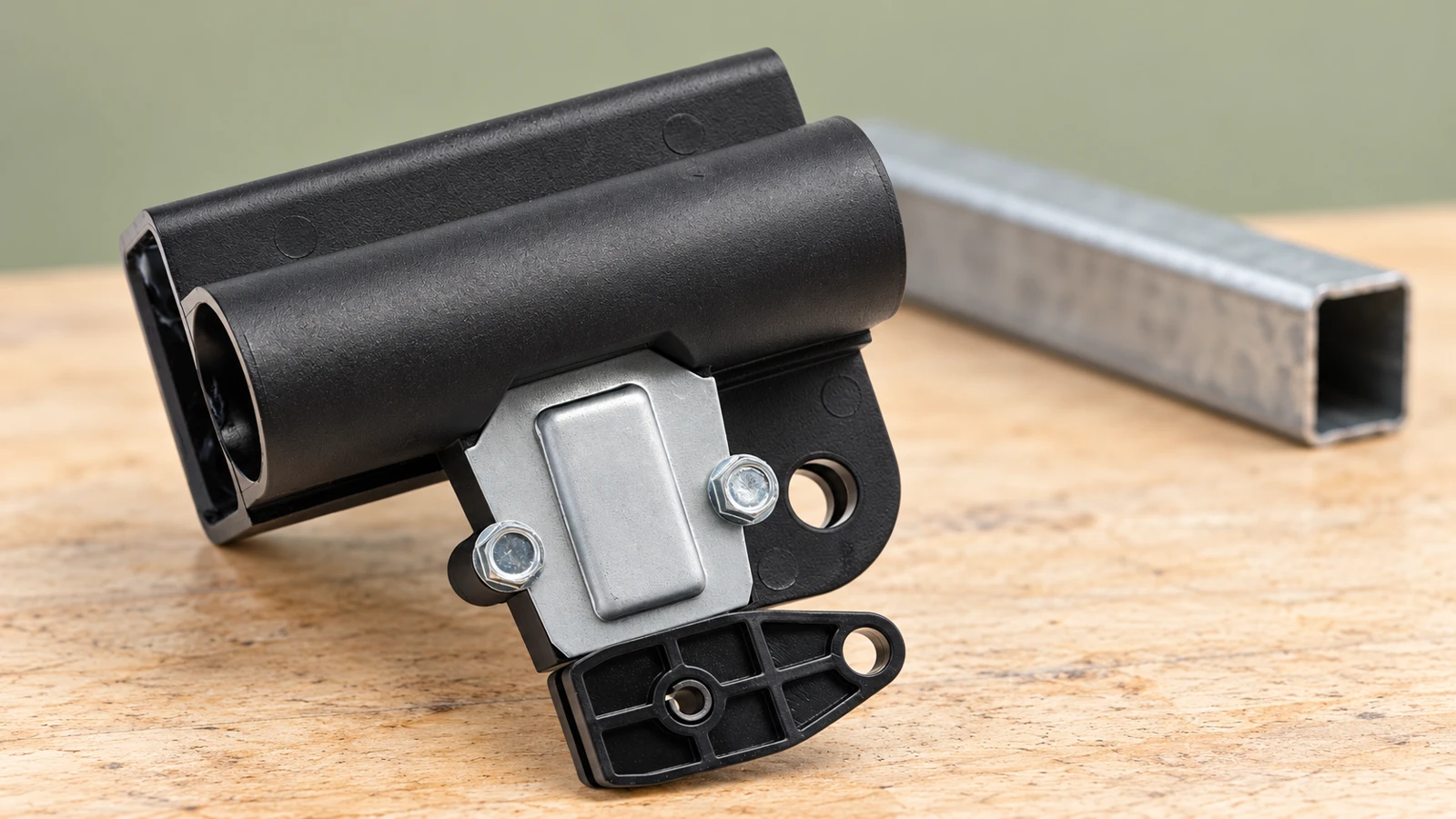
The separate Genie 38893R.S reference details identify the carriage body and drive-side turnbuckle. They do not demonstrate an engaged assembly.
Match your opener, rail and exact manual before proceeding. These details do not supply a pull direction, fastener-removal procedure or universal compatibility claim.
On many overhead openers, the emergency release separates the door-connected carriage from the opener’s drive mechanism. The motor may then run without moving the door. Reengagement restores that connection; it is different from pairing a remote, resetting Wi-Fi, or changing the travel settings.
Some systems use a different carriage design, and wall-mounted operators need their own instructions. Genie explicitly directs owners to select their model because the release action differs between designs. Follow the illustration for the installed opener, not the closest-looking video.
Before you begin: a closed-door safety gate
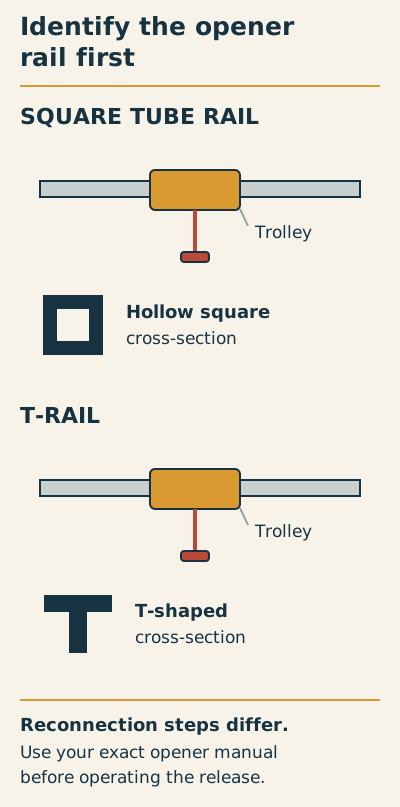
Scroll the diagram sideways when needed. Keyboard: focus the diagram, then use the left and right arrow keys.
Open full-size wide diagramOpen full-size mobile diagram
What the diagram shows
A square-tube rail has a hollow square cross-section; a T-rail has a T-shaped cross-section. Both carry an opener trolley.
Identify the rail profile rather than the release-cord color. Reconnection steps differ: use the exact opener manual before operating the release.
Reconnect only after the safety gate.
Restoring the opener connection does not repair a damaged door.
STOP if any answer is yes—or unknown
- Door partly open, tilted or unsupported?
- Spring, cable, roller or other hardware visibly damaged?
- Released because of a jam, impact, abnormal movement or unresolved fault?
- Exact reconnection instructions unavailable or unclear?
Proceed to the exact manual only if…
- The door is already fully closed and appears intact.
- The reason for disconnection is known and resolved.
- Everyone is clear; other users will not operate controls.
- All manual locking points are disengaged before powered use.
Match the manual—not just the red handle
From existing paperwork or a safely readable label
Must match the manual illustration
Match manufacture period and listed model
Use that procedure; do not combine two manuals
The official guide page separates pre-2022 and 2022-and-later units. It identifies later units by a Step Saver Setup sticker below the Learn button. Use existing records or safe observation—do not climb to find it.
Keep hands away from moving parts. If it will not reconnect normally, or movement/noise is abnormal, stop and arrange service. No force, travel adjustment or repeated trial cycles.
Chamberlain: closed-door and damage precautions · LiftMaster: model/edition guide selection.
This gate deliberately omits handle directions; the exact manual controls them.
Work through these checks without operating the door.
- Confirm why it was released. A routine power outage is different from a jam, impact, loud bang, or service visit. If someone disconnected it because it was unsafe, reconnection must wait until the underlying problem is resolved. Expected outcome: a known, non-mechanical reason for disconnection.
- Check the door’s position from the floor. It should be fully down and square in the opening. Do not bring an open or tilted door down simply to qualify for this guide. Expected outcome: a closed, undamaged-looking door, not a door you have forced into place.
- Look without touching. Note hanging cables, displaced rollers, separated hardware, or visible spring damage. Do not climb beside the spring system for a better view. Expected outcome: no warning signs; uncertainty means professional assessment.
- Find the exact manual. Use paperwork or a safely readable model label. Match the model and rail type. Expected outcome: a clear manufacturer reconnection procedure you can carry out without improvisation or unsafe reaching.
- Control access. Tell everyone not to use remotes, wall controls, or connected apps while you prepare. Keep children, pets, and objects away from the doorway. Expected outcome: no unexpected operation.
Federal safety instructions emphasize using an emergency release with the door closed when possible, because weak or broken springs may allow an open door to fall. A closed position is a prerequisite here, not a guarantee that the system is sound.
Reconnect using the manual, not a generic cord trick
With the safety gate satisfied, follow only the manual’s section for reconnecting or engaging the trolley. Some designs require the release mechanism to return to its engaged position before a permitted operating cycle connects the parts. Others use a different sequence. Do not mix instructions from two models.
Keep your hands away from the rail, trolley, door joints, and moving hardware. Do not remove pins, detach the door arm, tie the cord to anything, or use pliers to persuade the mechanism to latch. If the manual’s instructions are unclear or the parts do not match its illustration, stop rather than experimenting.
Before any manufacturer-authorized powered operation, confirm that no manual door lock remains engaged. Stay where you can see the entire door. The expected result is a connected mechanism and smooth door movement—not repeated attempts accompanied by grinding, banging, or hesitation.
Keep the right page handy. Save the manual’s reconnection page with the model number. It makes the next power outage easier to handle without guessing.
If the motor runs but the door still does not move
A disconnected carriage is one possibility, not the only diagnosis. Record whether the motor runs, whether the visible drive mechanism moves, and whether you hear unusual sounds. Use observations already available; do not repeatedly cycle the opener to collect evidence.
Stop if one correct reconnection attempt fails, the carriage will not engage normally, or any part looks damaged. A technician can distinguish a release-mechanism problem from drive or door damage. Increasing force, changing limits, or buying a replacement remote will not establish that the mechanical connection is safe.
Common mistakes
- Treating every red release handle as mechanically identical.
- Reconnecting while the door is partly open or unsupported.
- Assuming restored electricity means the door is ready for service.
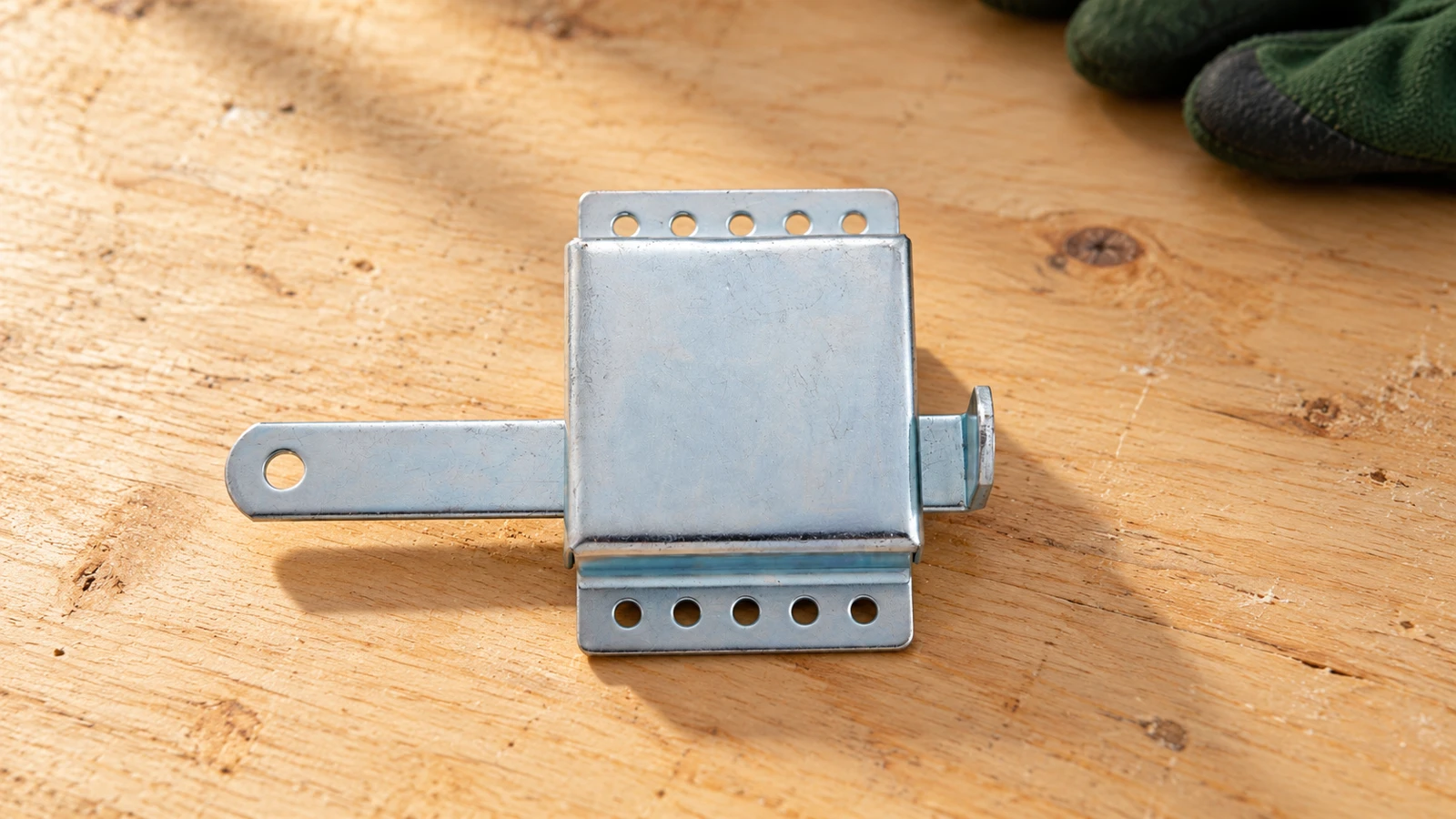
- Forgetting a slide lock installed or engaged during the outage.
- Testing with a person standing under the door.
FAQ
Do I need to erase and reprogram my remotes?
Usually, releasing the mechanical connection is a separate event from remote programming. Check the reconnection procedure first; do not erase working settings as a troubleshooting shortcut.
Does a click prove it is safe?
No. A click may indicate engagement, but it does not establish door balance, hardware condition, or correct operation. Stop at abnormal movement or noise and arrange inspection.
Can I reconnect a door with a broken spring?
No. Keep it out of service. See the guide to access options with a broken spring rather than trying to make the opener take over the spring’s job.
Explore guides · About this guide
Was this guide useful?
Your choice stays in this browser only. It is not sent to us.
Sources & manuals2
Manufacturer instructions and references for this guide. Match the document to your exact product.
- Chamberlain: closed-door and damage precautionssupport.chamberlaingroup.com
- LiftMaster: model/edition guide selectionsupport.chamberlaingroup.com