Parking Barrier Hard to See After Dark? What to Report
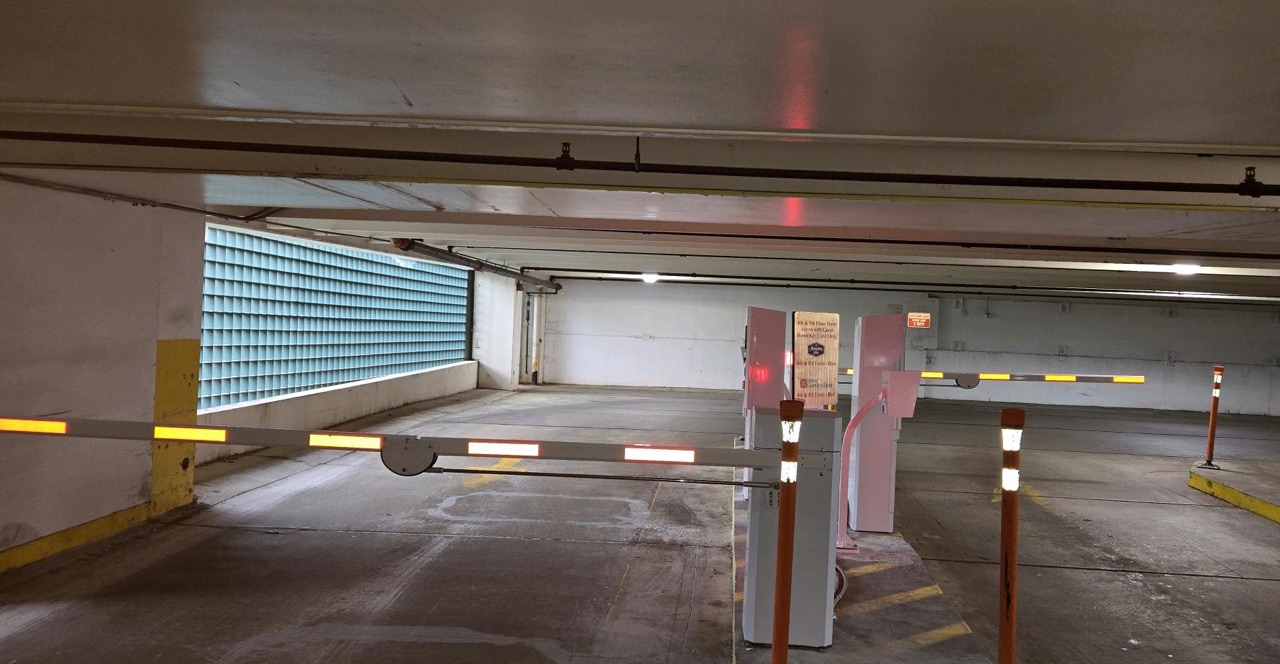
If a lowered parking barrier is hard to make out, do not continue just to see whether it will rise. Stay outside the barrier’s path, follow the posted directions and use a designated alternate entrance if available.
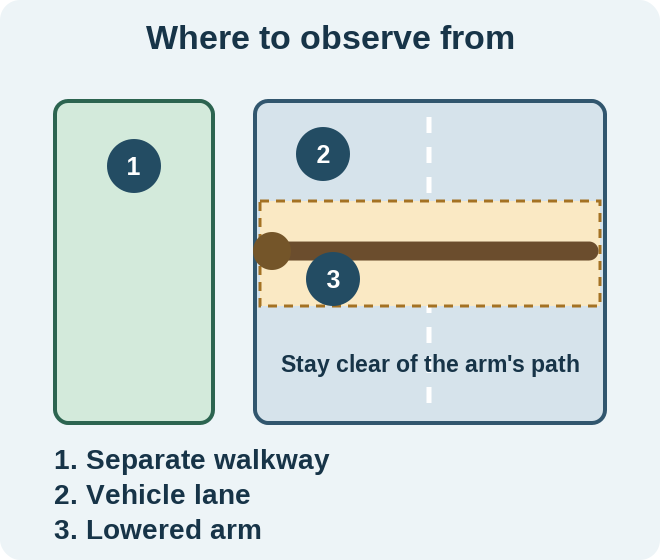
1. Identify the lane from a safe spot
From a separate walkway or another safe, authorized place, note whether it was the entrance or exit, the direction you approached from and where you first saw the arm. Do not stop in an active travel lane or walk up to the barrier to take a photo. If there is no safe place to stand, report what you recall instead.
2. Describe what was hard to see
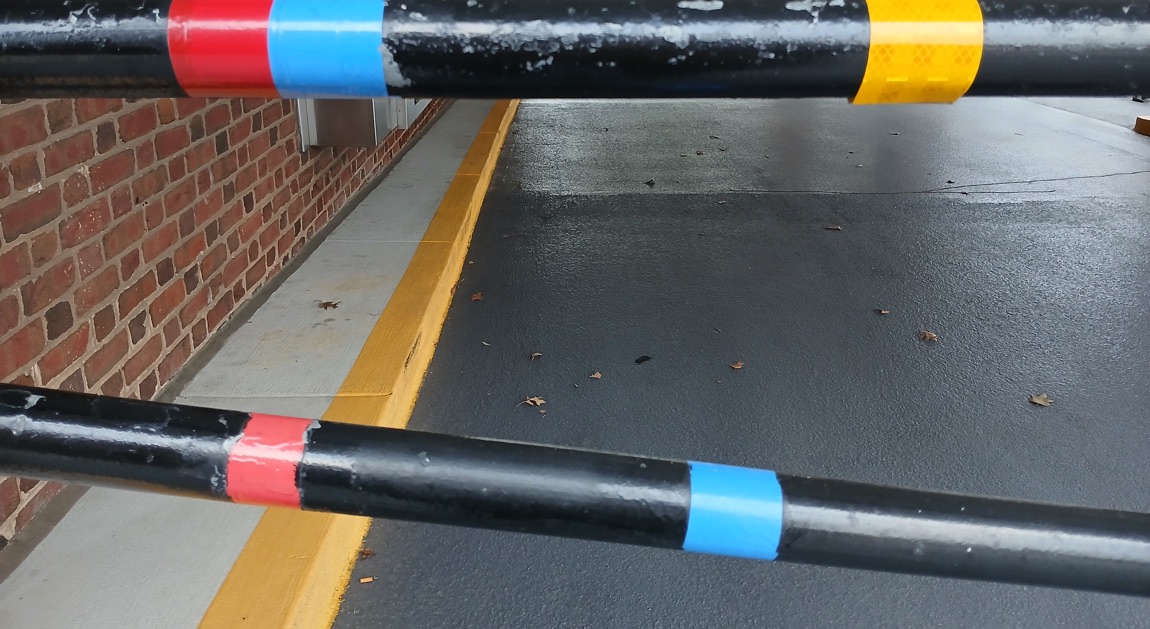
Say whether the whole arm blended into the background or whether you could see only part of it. Note glare, shadows, an unlit sign or wet conditions if you noticed them. Do not try to recreate them. If taking a photo is safe and permitted, take a wide view from outside the traffic lane and the arm’s path. Do not ask another driver to go forward or move the barrier for you.
3. Report it without adjusting the equipment
Give the facility manager the lane, time, direction of approach and what was difficult to see. If you cannot tell where the arm is or it moves unexpectedly, use a designated alternate route if one is available and tell the facility promptly. A light or reflective stripe is not a signal to proceed.
Facility managers should have a qualified gate technician or traffic professional review the installed equipment and approach. Do not add tape, move signs or lighting, change controls, or test the barrier with the lane open.
If cars are queuing, see the separate guide to waiting space at driveway gates for planning where drivers can stop without blocking other traffic.
Sources3
- LiftMaster: gate safety
- Reflective barrier arm in a parking structure · ParkingBOXXSolutions · CC BY 4.0 · Cropped, resized and compressed. Adapted photo: CC BY 4.0.
- Reflective tape on a parking lot gate · Ser Amantio di Nicolao · CC BY-SA 4.0 · Cropped, resized and compressed. Adapted photo: CC BY-SA 4.0.
Related Posts
 Practical Guide
Where to Place a Driveway Gate: Waiting Space, Sidewalks and the Public Road
A gate position can fit the fence line yet leave a waiting car across a sidewalk or road. Before selecting a post location, ask a designer to evaluate the entrance as a complete arrival and departure route. This is not a universal setback chart: the controlling road, building and fire authorities, s
 Practical Guide
A Separate Pedestrian Entrance Beside an Automatic Driveway Gate
A vehicle gate is not a pedestrian doorway. Opening it partway, adding a keypad, or relying on a photoeye does not turn its moving path into a walk-through entrance. Plan a separate pedestrian route that avoids the vehicle gate throughout its movement. DASMA’s safety guidance and the DoorKing 6300 m
 Practical Guide
Taking Over a New Automatic Gate: An Owner’s Handover Checklist
A new gate should come with an understandable operating plan, not just a demonstration that the motor runs. Arrange the handover while the installer is present. The DoorKing 6300 manual includes a joint installer/property-owner checklist; DASMA also publishes an owner checklist. Use the documents fo