A Separate Pedestrian Entrance Beside an Automatic Driveway Gate
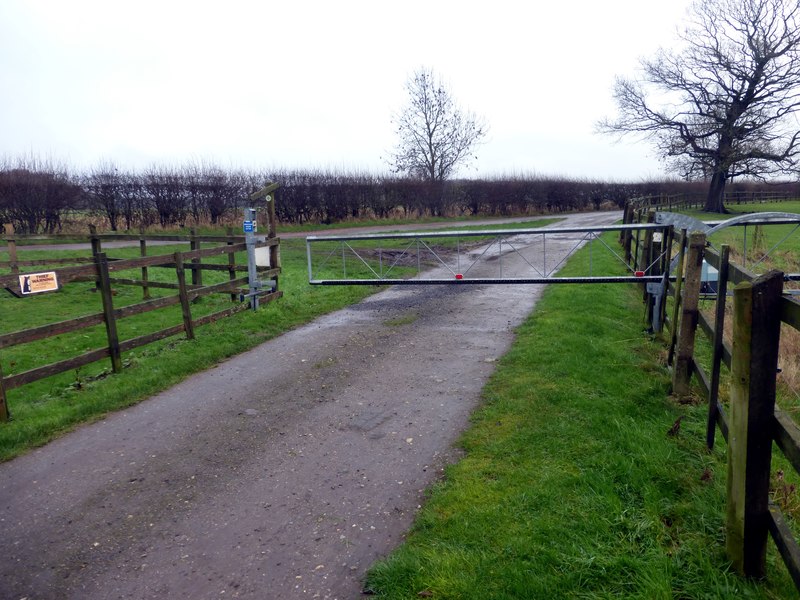
Photo: Graham Hogg · CC BY-SA2.0
Plan a walking route, not a smaller opening
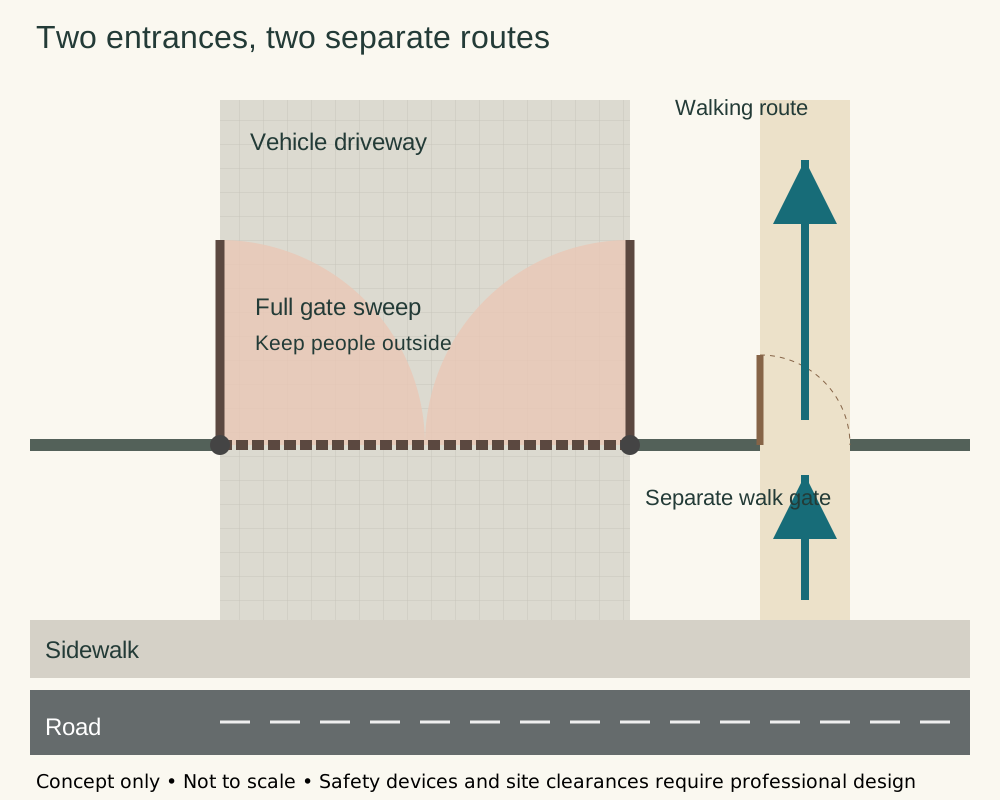
A vehicle gate is not a pedestrian doorway. Opening it partway, adding a keypad, or relying on a photoeye does not turn its moving path into a walk-through entrance. Plan a separate pedestrian route that avoids the vehicle gate throughout its movement. DASMA’s safety guidance and the DoorKing 6300 manual both distinguish pedestrian access from vehicular access. This guide helps prepare a layout discussion; it is not an installation or code-compliance plan.
1. Mark where people actually need to go
List everyday trips: from the sidewalk to the front door, from the driveway to the mailbox, and deliveries to the approved drop-off point. Include people pushing a stroller, walking a bicycle, carrying groceries or using a mobility aid. Draw each route on a site photograph or survey. A separate opening is not useful if people must still cross the moving vehicle gate to reach it. Do this survey from safe ground, without standing in an active gate lane.

Photo: Tim Evanson · CC BY-SA 2.0
2. Check the entire moving area
Ask the installer to show the vehicle leaf’s full swing or slide path, the run-back area, posts and adjacent fences. A pedestrian door next to the hinge is not automatically safely separated. Its open leaf, waiting visitor and approach path must be considered together. Do not choose spacing from an online illustration. Have the professional document how the two routes are separated and how the pedestrian door behaves when open.
3. Make the intended entrance easy to use
The route should be recognizable from both sides, not hidden behind bins or landscaping. Discuss usable clear passage, the threshold, drainage, lighting and the turning space needed by expected users. A nominal door width does not describe the usable passage when its leaf, closer and hardware are installed. Ask the relevant local authority about accessibility and exit requirements for this property rather than treating a residential example as a universal rule.
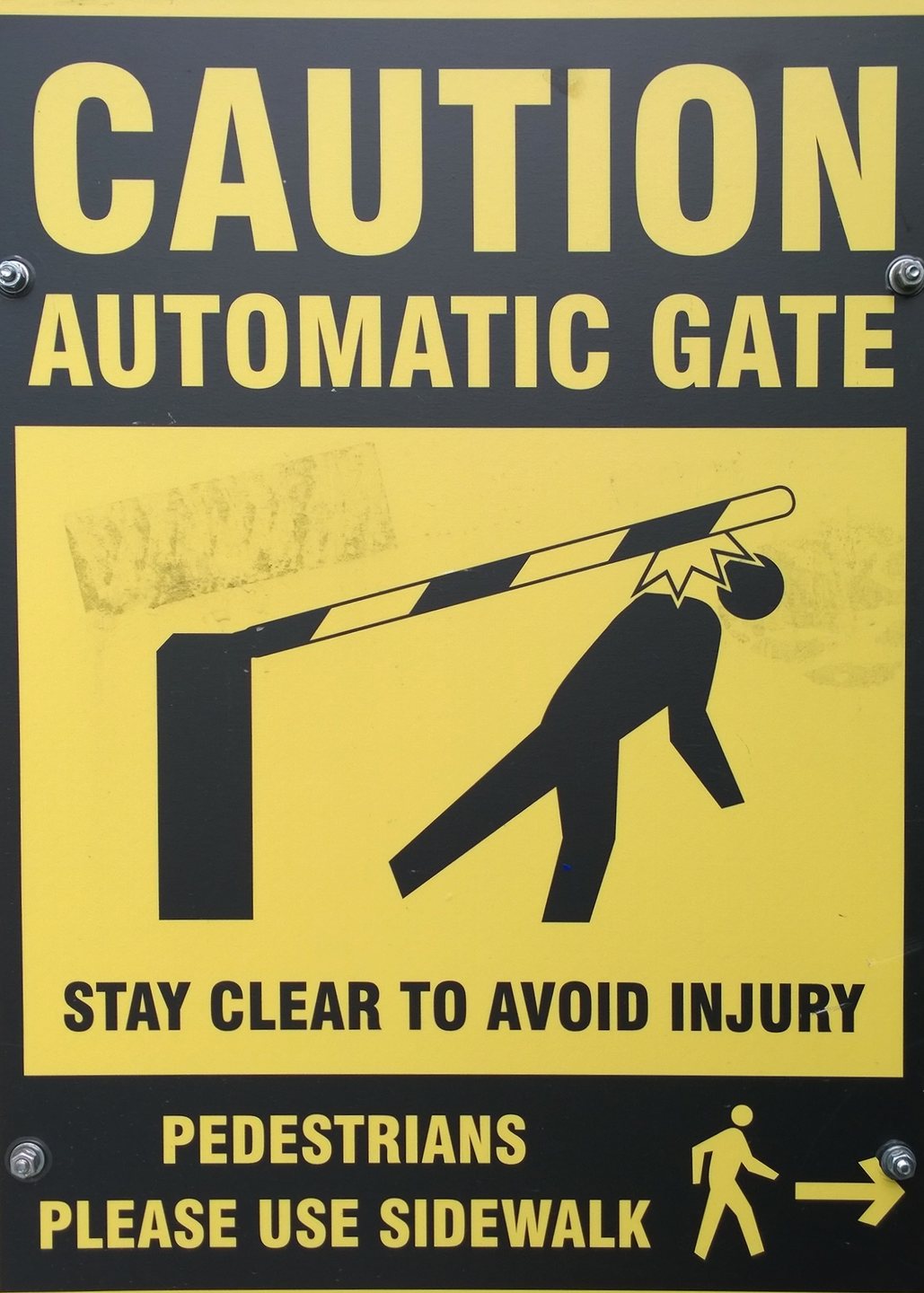
Photo: Ruth Hartnup · CC BY 2.0
4. Resolve locks and access before ordering
Decide who needs access and when: household, guests, deliveries or shared-property users. Ask how a person exits without relying on a vehicle remote, and what happens if power or the network fails. This is a design question for the qualified installer and local authority, not permission to defeat a lock or safety device. Do not attach a vehicular gate operator to the pedestrian door as an improvised solution.
5. Walk through the finished arrangement
At handover, ask for a demonstration from the sidewalk to the destination using the designated route, with the vehicle gate’s movement area kept clear. Check that signs lead visitors to the pedestrian entrance, that the actual latch and closer are explained, and that the route remains usable with ordinary deliveries and parked vehicles. Record unresolved issues and the responsible contact. If the route requires passing through the automated vehicle opening, ask for a corrected plan rather than treating it as normal use.
Questions to take to the installer
Where does a visitor wait? Can the pedestrian leaf or queue enter the vehicle gate’s sweep? What is the actual clear passage? Which exit and accessibility requirements apply here? What instructions and keys will the owner receive? These questions produce a usable access plan without asking the homeowner to adjust force, wiring or protective sensors.
Related Posts
 Practical Guide
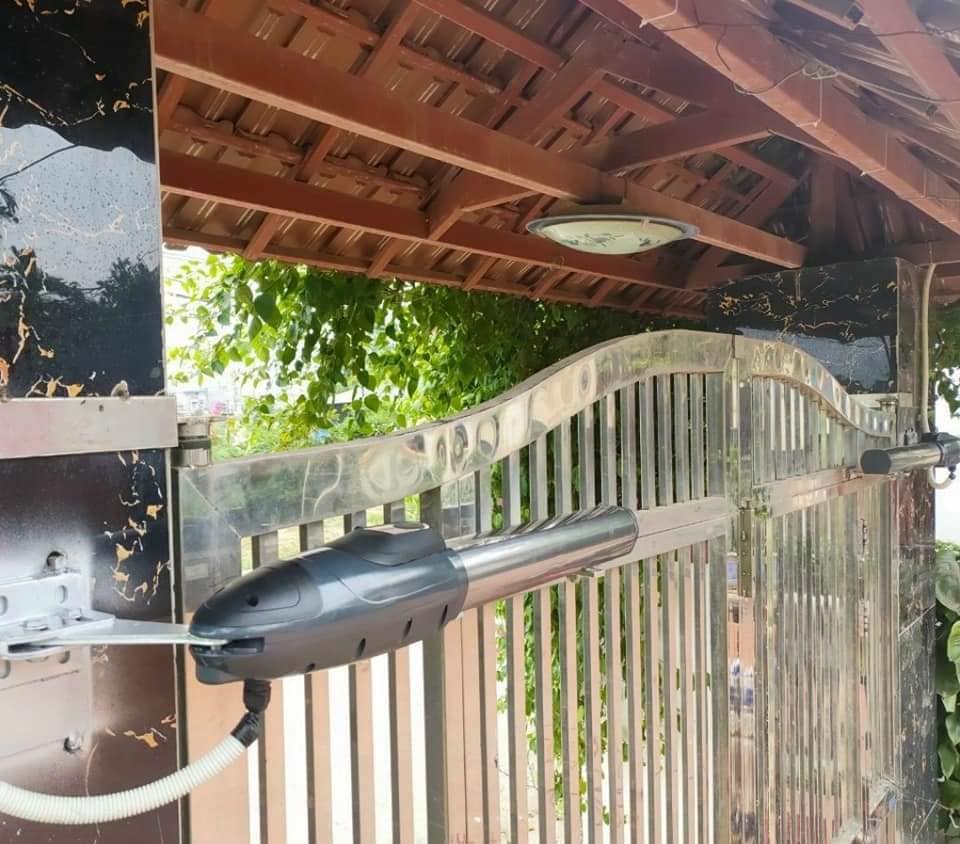
How to Choose a Gate Opener: Weight, Length, Wind and Cycles
Compare gate-opener capacity, wind exposure, duty and power requirements, then request a complete model-specific installation proposal.
 Practical Guide
Gate Sensors Not Working: Photoeye Checks Without Bypassing Safety
Identify a gate photoeye problem, distinguish blocked optics from a system fault, and know when cleaning must give way to professional diagnosis.
 Practical Guide
Electric Gate Not Working: Safe Checks Before Service
Separate a control problem from a gate-system fault with safe observations, then give your gate technician the information needed to investigate.
Sources9
- DASMA safety brochure
- DoorKing 6300 manual, revision E 9/24
- DASMA FAQ TDS356, revision12/24
- Graham Hogg
- CC BY-SA2.0
- Photo: Tim Evanson · CC BY-SA 2.0 · Resized and re-encoded for display
- Photo: Ruth Hartnup · CC BY 2.0 · Resized and re-encoded for display


