How Long Do Garage Doors Last? Repair or Replace
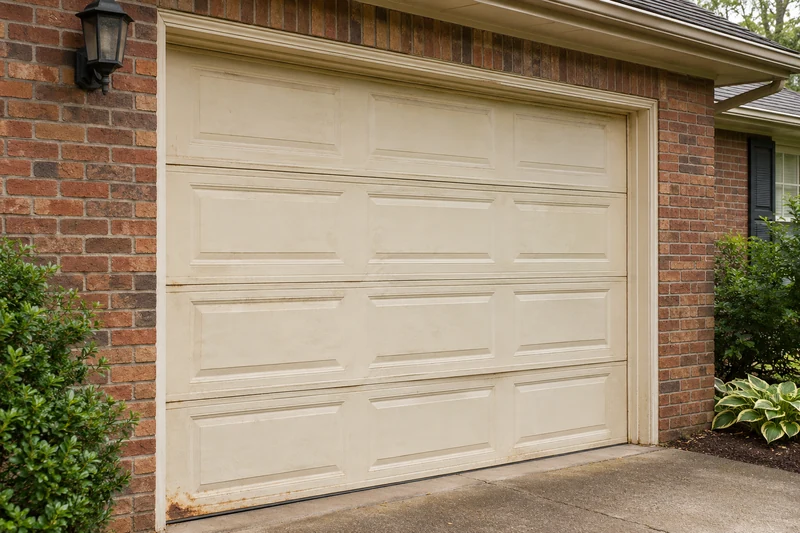
Short answer: There is no age at which every garage door must be replaced. Clopay describes a typical 15–30-year life for modern steel doors with proper care, but condition, exposure and repairability matter more than the birthday. Assess the door separately from its opener and springs, then compare a defined repair with a complete replacement.
1. Understand what a lifespan estimate means
A garage door is not one part with one expiration date. Sections, finishes, seals, hardware, springs and the motorized opener can reach the end of useful service at different times. A replaced opener does not make the panels new; a worn spring does not by itself prove that the whole door is worn out.
The 15–30-year range is specifically Clopay's estimate for modern steel garage doors, conditioned on proper care. It is not a warranty, an inspection result or a promise for wood, aluminum, fiberglass or every steel model. Salt exposure, repeated impact, water problems and neglected surface damage can change the decision. A door's documented condition is more useful than applying a general number to an unknown installation.
Start a simple record with the approximate installation year, manufacturer, model, material and major repairs. Mark uncertain dates as estimates. Keep the opener's age separate; see garage-door opener lifespan for that equipment. If the original paperwork is missing, a dealer may be able to identify the door from an accessible label and photographs. Do not move an unsafe door to find a label.
2. Make a safe condition record
Begin outside with a closed door, viewed from a safe distance. Do not stand beneath a partly open door or command a damaged door to move for a photograph. Keep people away from its travel path. This is a visual screening exercise, not a load test or a substitute for a professional inspection.
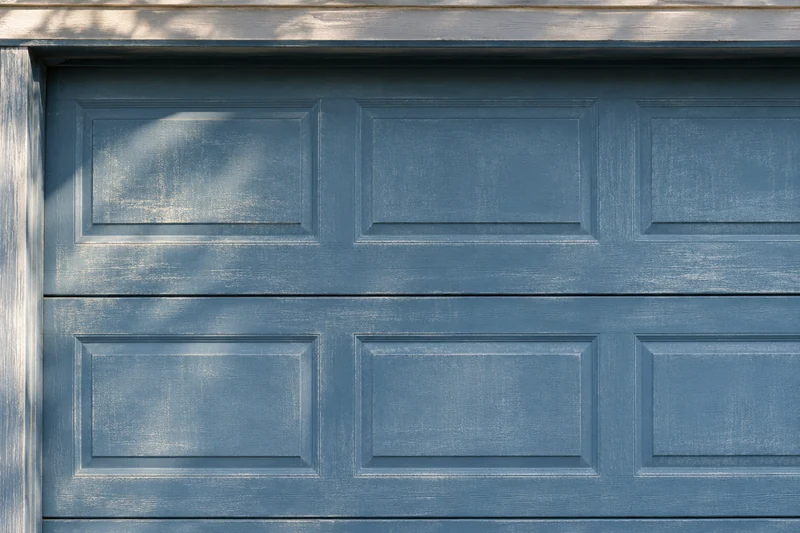
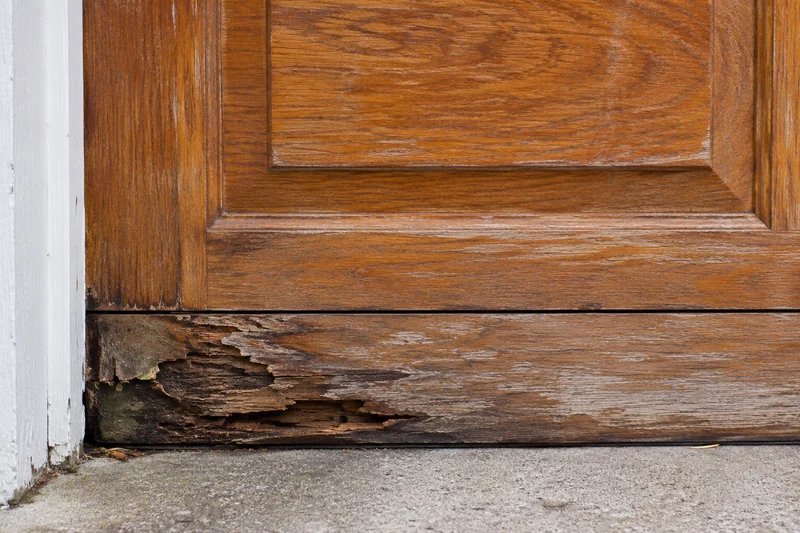
Photograph the full door and note where you see peeling finish, rust staining, holes, split wood, distorted sections, loose-looking overlays or broken glazing. Describe what is visible without guessing at hidden strength. A paint scratch and a rusted-through section are different findings; similarly, faded stain and decayed wood call for different responses.
Record whether damage is isolated to one section or extends across several. Note water exposure at the lower edge and whether an impact preceded a change in operation. From existing observations, record scraping, unusual movement or recurring failure to close. Do not keep cycling the door to reproduce a fault. An inspector can determine whether the problem is in the door, its supporting system or the opener.
Stop using the door and arrange service if it is crooked, partly displaced, hanging unevenly, badly buckled or visibly unstable. If cables are frayed, stop operating the door and arrange immediate professional inspection. Keep clear; do not pull the emergency release on an unstable door. Never loosen bottom brackets, adjust springs, straighten tracks or tighten structural hardware as part of this assessment.
3. Identify a genuinely repairable problem
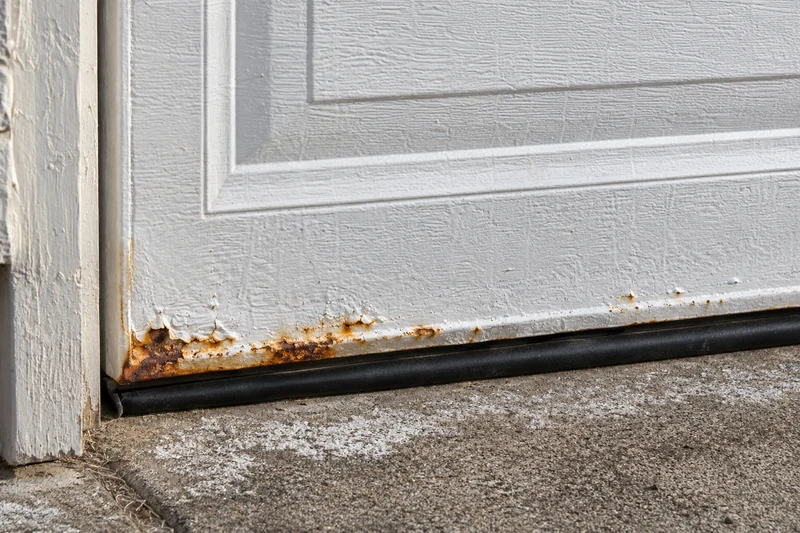
Repair deserves consideration when the underlying assembly is sound and the defect is clearly limited. Examples to discuss with a professional include a finish issue, a worn seal or one damaged section. These examples are candidates for assessment, not diagnoses you can confirm from a photograph. Cosmetic repair should not conceal corrosion, rot or a damaged attachment point.
Ask the technician to identify the failed item, its cause and what remains serviceable. A quote that simply says “old door” does not explain why replacement is necessary. Conversely, a cheap surface repair is not a useful saving if the supporting material is failing. Request photographs or a plain-language explanation of the defect.
For a replacement section, ask the dealer to confirm manufacturer, model, section position, dimensions and compatibility with the complete door. A similar panel pattern is not enough. Clopay notes that replacement sections for its wood and steel doors depend on the model still being manufactured, and weathering can prevent a perfect color match. Get the expected appearance and any finish work in writing.
Have the professional evaluate the effects of a section change on the whole assembly rather than purchasing a panel by looks alone. Springs and related components have their own wear history; the separate spring lifespan guide explains why their replacement timing is a different question. Do not perform spring or cable work yourself.
4. Recognize when replacement merits comparison
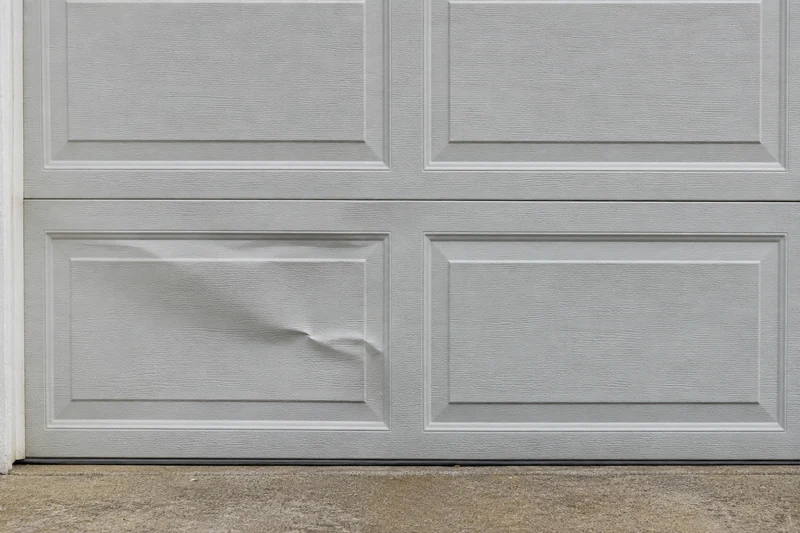
Request a replacement option when major structural damage, widespread deterioration or unavailable compatible sections make repair uncertain. A door with substantial rot or damaged structural connections needs more than refinishing. Severe impact damage can involve components that are not obvious from the driveway, so ask for a complete assessment before authorizing panel-only work.
Repeated service calls are another reason to compare options, but first identify whether they share one unresolved cause. Several opener faults do not automatically condemn the door. Likewise, replacing a door will not necessarily resolve a separate building-opening problem. Ask each bidder to separate required work from optional improvements.
Changing needs can justify replacement even when a door remains repairable: a different appearance, better sealing or an appropriate wind-rated assembly may matter to you. Treat these as purchasing goals, not proof that an existing door has expired. Verify local requirements and the actual proposed model's documentation rather than assuming every replacement meets the same standard.
Do not use a fixed repair-cost percentage as an automatic rule. The answer depends on what the repair restores, which defects remain, parts availability, warranty scope and how soon another known expense is likely. Compare actual written scopes rather than a low repair number against an unspecified new-door price.
5. Compare complete quotes and choose a next step
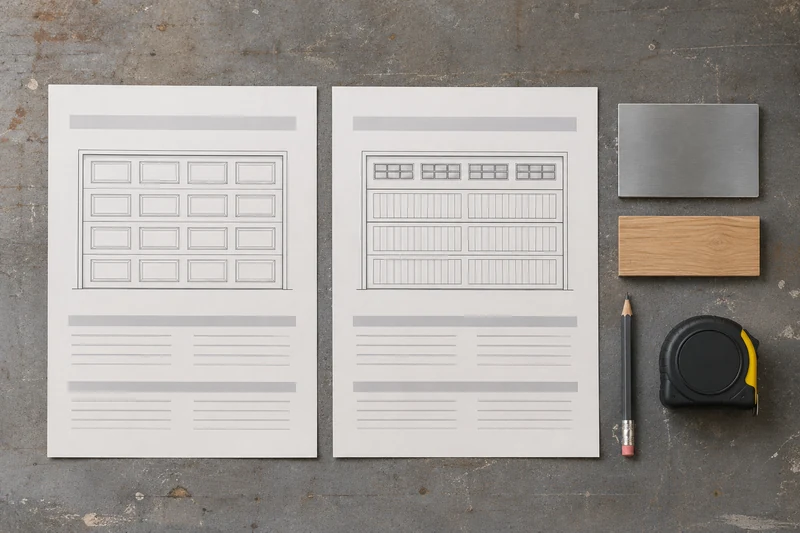
Give bidders the same photos, history and priorities. Request separate repair and replacement options where both are technically reasonable. Ask them to identify any uncertainty that can only be resolved during service and how additional work would be approved.
- Repair scope: exact parts or section, compatibility, finish matching, labor, warranty and remaining defects.
- Replacement scope: door model, size, material, glazing, insulation and any required rating.
- System scope: tracks, hardware, spring system, seals, opener compatibility and whether opener replacement is actually needed.
- Installed total: removal, disposal, labor, taxes, required permits, finish work and exclusions.
- Handover: documented commissioning, safety checks, manuals, warranty terms and the future maintenance schedule.
Ask why any existing components would be retained. New-door hardware must be appropriate for the proposed assembly; reuse should not be assumed simply because something looks serviceable. Follow the new door manufacturer’s installation requirements; do not retain components where replacement is specified. The installer should confirm compatibility and explain the scope. For help separating required and optional line items, use the garage-door repair estimate guide.
Finish with one of three clear decisions: maintain a sound door with a documented inspection plan, authorize a defined compatible repair, or choose a replacement after comparing full installed scopes. If the diagnosis remains unclear, get a second qualified assessment. No calendar estimate is a reason to keep operating a visibly unsafe door.
6. Frequently asked questions
Must I replace a 20-year-old garage door?
Not solely because of age. Assess structural condition, safety, compatible parts and the scope of any needed repair.
Does a broken spring mean I need a new door?
Not automatically. Have a professional assess the spring system and the door separately; do not attempt the repair yourself.
Can just one damaged section be replaced?
Sometimes, if a compatible section is available and the remaining assembly is sound. Have the dealer confirm fit, system compatibility and appearance.
Is a lifetime warranty the same as expected lifespan?
No. Read what the warranty covers, its exclusions and who may claim. A warranty term is not a prediction of failure or a guarantee that maintenance is unnecessary.
Should the opener be included in a replacement quote?
The quote should say whether it is retained or replaced and why. Compatibility and condition matter; do not assume a new door always requires a new opener.
Related Posts
 Practical Guide
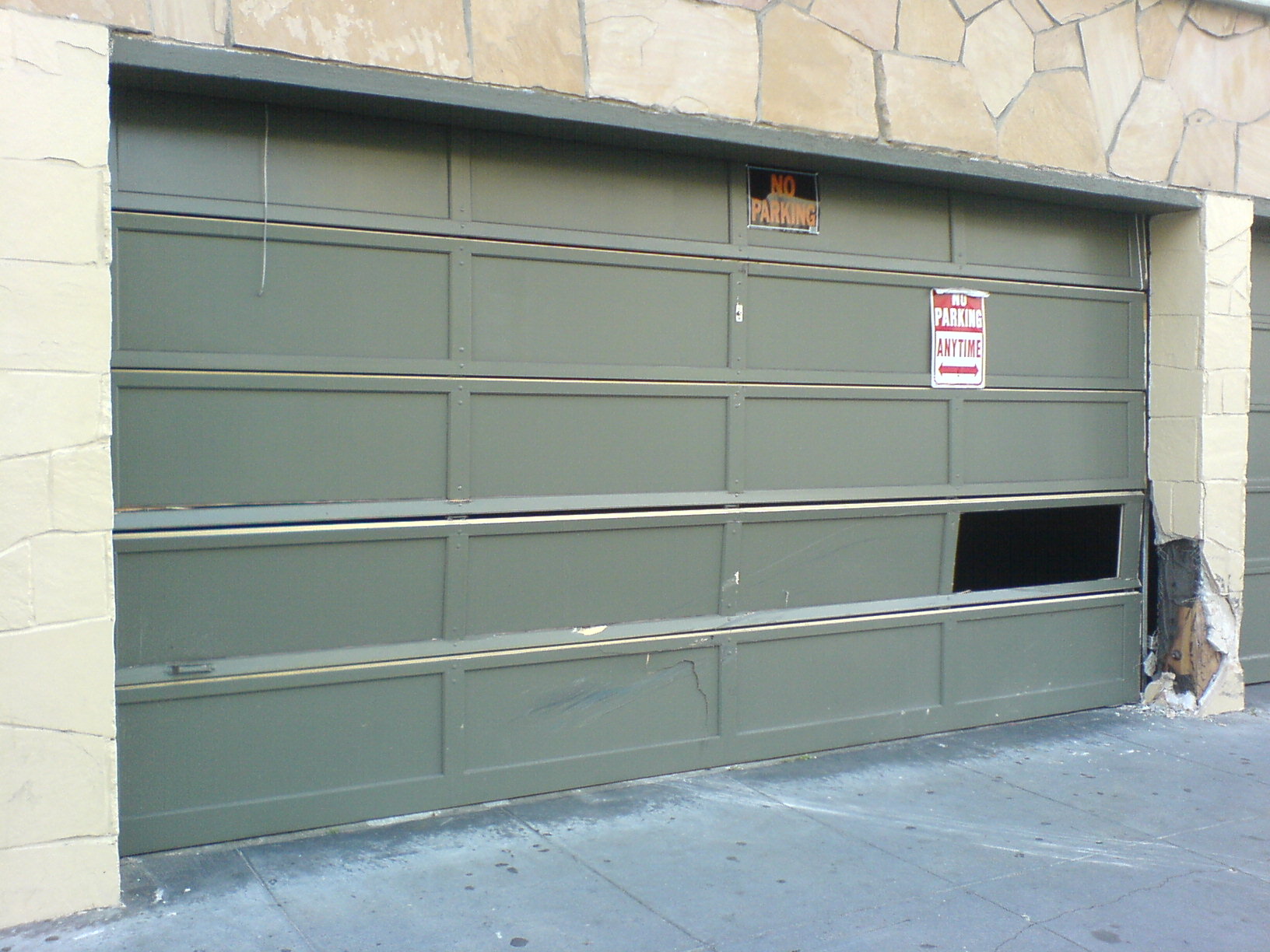
Damaged or Dented Garage Door Panels: Repair or Replace?
Separate cosmetic dents from structural damage, identify a compatible replacement section, and compare repair with full garage door replacement safely.
 Practical Guide
Plan a Garage Door Installation or Replacement
Organize a garage door replacement from site assessment and order confirmation to access, removal, testing and a useful owner handover.
Sources
Manufacturer instructions and references for this guide. Match the document to your exact product.
- Clopay: Modern Steel Garage Doorswww.clopaydoor.com
- Clopay: Repairing Damaged Garage Door Sectionswww.clopaydoor.com
- Clopay: Garage Door Safety Checklistwww.clopaydoor.com
- Clopay: Garage Door FAQwww.clopaydoor.com
- Clopay: Garage Door Installationwww.clopaydoor.com