Broken Garage Door Window or Insert: Planning the Right Replacement
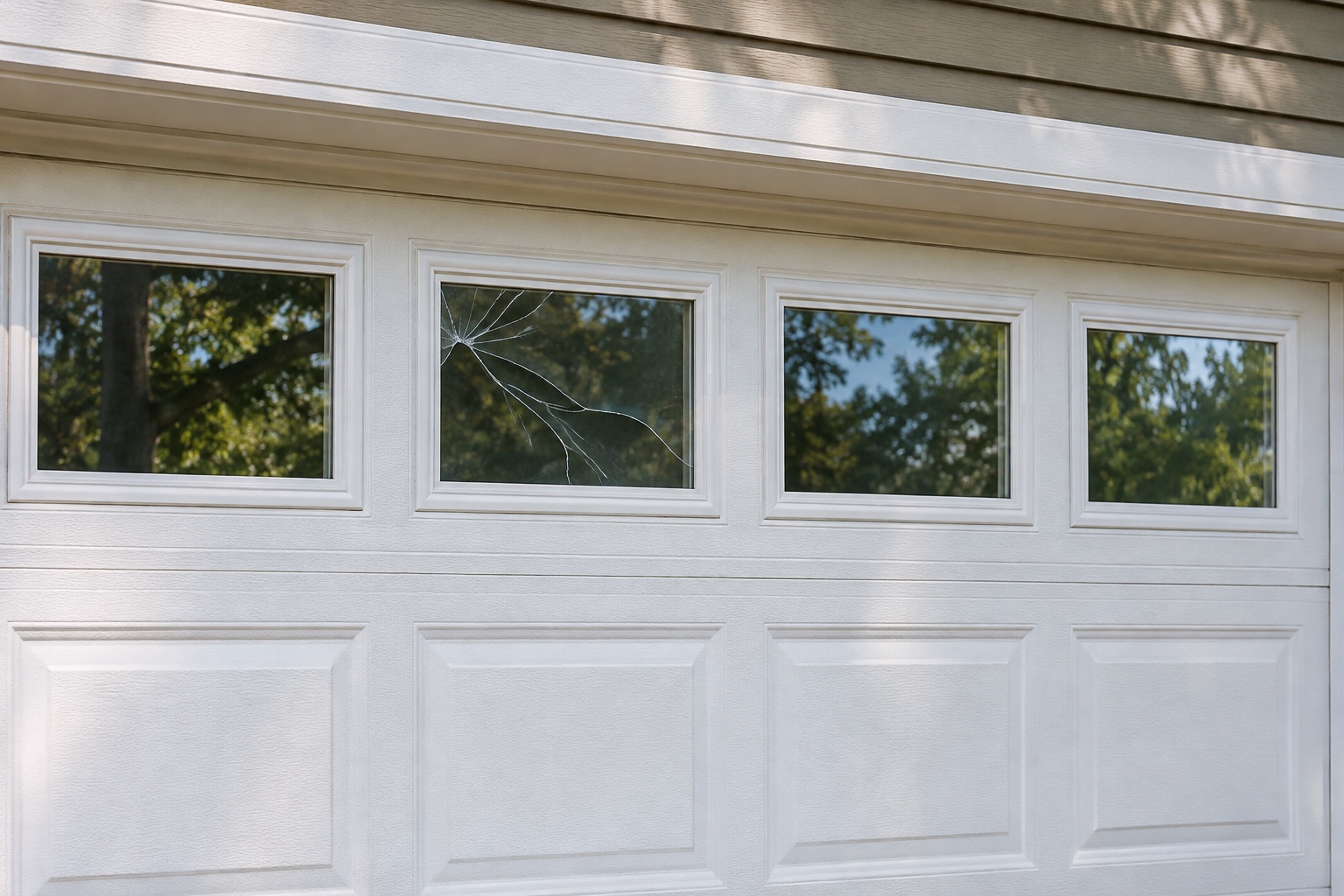
A broken garage-door window does not automatically mean that the entire door needs replacing. It also does not mean that an ordinary piece of glass from a hardware store will be a suitable repair. The first job is to identify what failed: glazing, a decorative grille, the frame that retains the glazing, or the door section surrounding it.
This guide helps you make the area safer, collect useful information without dismantling anything, and request the correct replacement. It is not a glass-removal tutorial. If you want to add windows to a solid door instead, use our separate guide to adding garage-door windows.
1. Keep the damaged assembly still
Do not cycle the door to get a better photograph or see whether the crack grows. Keep people and pets away from the damaged window and the area beneath it. Tell everyone who uses the door not to operate it, including through a remote or app. If the door is open, partly open, or cannot be approached safely, leave it alone and arrange professional assistance. Do not pull the emergency release to reposition a damaged door.
Clopay’s steel-door manual warns against operation when glass or its interior retainer appears loose, cracked, or warped. It also warns that removing retainer screws can allow glass to fall. Those warnings explain why a small-looking window problem should not be tested by moving the door. Steel-door care manual, pages 2–3
Do not press on the glass, pull out a loose grille, reach through the opening, or brush away fragments still attached to it. Ask the service provider how to secure the opening and manage debris until repair. A sheet of plastic, tape, or a board is not permission to run the door; improvised attachments can create another moving-door hazard. Arrange another entrance and parking space while the door is out of service.
2. Describe the damaged part, not just “the insert”
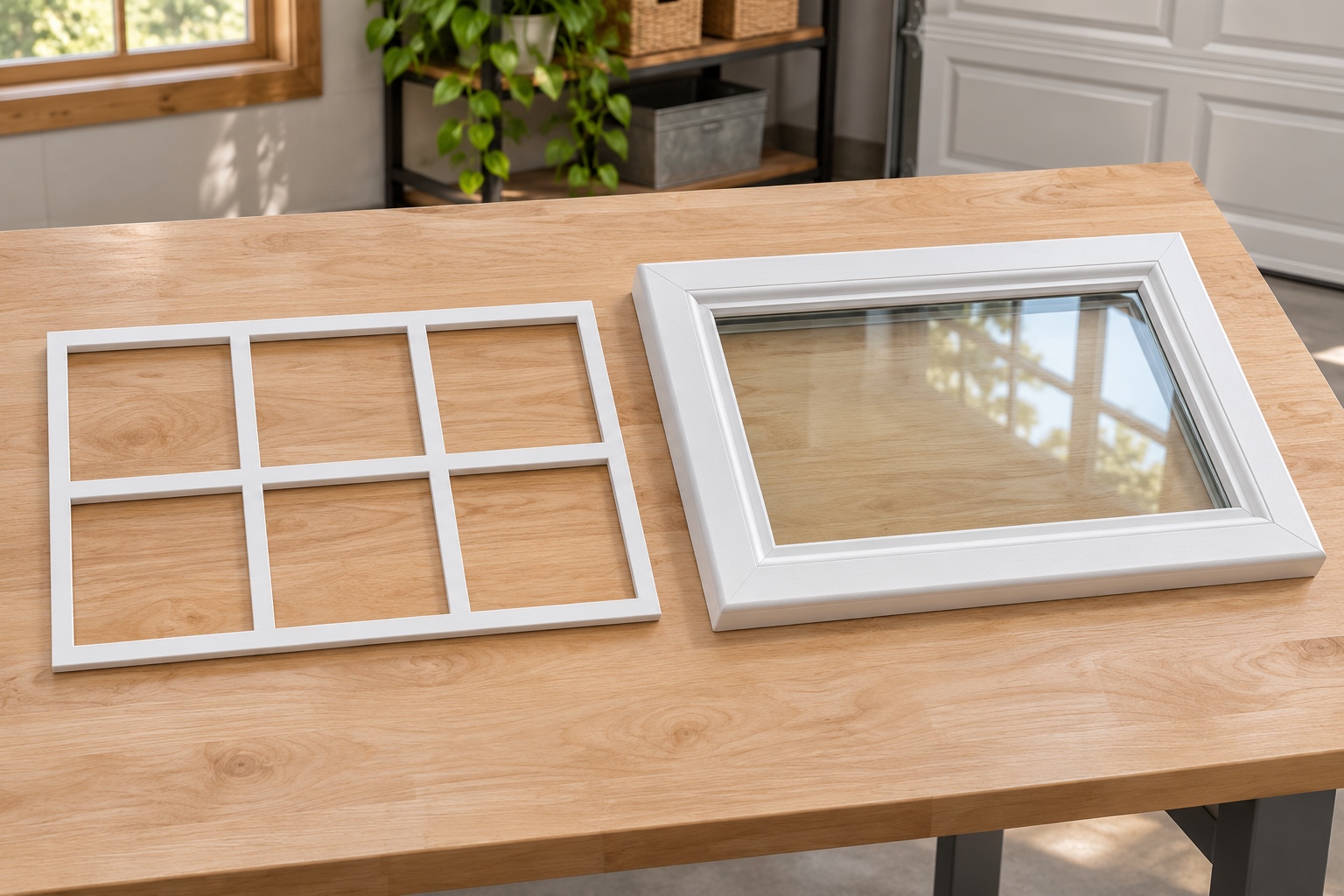
The word insert is used loosely in listings. A decorative grille gives a window its divided-light appearance; glazing is the glass or other transparent panel; a frame or retainer holds that glazing in the door. A complete window assembly may contain several of these parts. Ask the supplier which item a quoted part number actually includes.
For example, Clopay’s Canyon Ridge manual describes removable decorative grilles separately from glass replacement. That distinction does not establish that a similar-looking grille on another door comes off the same way. Photograph the damage in place and let the dealer identify the system before anyone tries to remove it. Canyon Ridge manual, window-care section
- Cracked or missing glazing: request assessment of the pane and the parts that retain it.
- Broken decorative pattern: ask whether the grille is separately available and whether the glazing and frame are sound.
- Loose, distorted, or damaged frame: ask about a complete compatible assembly, not only a replacement pane.
- Bent surrounding section or damage after an impact: ask for inspection of the door itself as well as its window.
These are ways to organize the service request, not a diagnosis from a photograph. If you cannot tell which layer is cracked, say so. A clear description of what you observed is more useful than an uncertain part name.
3. Build an identification packet from safe positions
Find the original invoice, installation paperwork, or a photograph of the door label. Record the manufacturer, model, approximate installation date, and any serial or product number you already have. Do not climb beside damaged glass or operate the door to expose a label. An installer can collect inaccessible details during the visit.
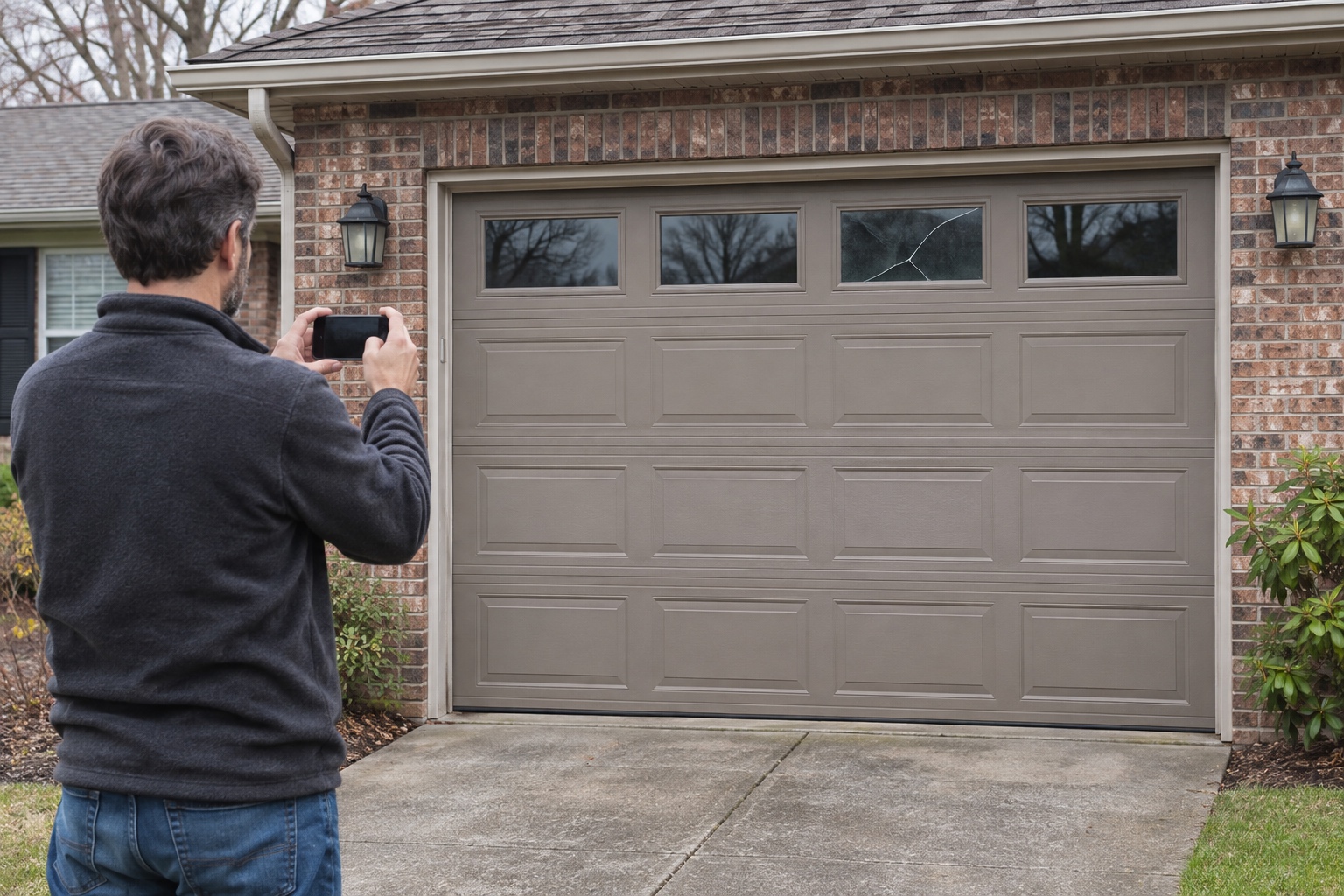
Send an overall photograph that shows where the damaged window sits, followed by a closer view taken without entering the hazard area. If safe views of both sides already exist, include them. Photograph a matching undamaged window from a distance too. Note which side you are describing, such as “second window from the left, viewed from the driveway.”
Tell the provider whether the problem followed an impact, appeared during normal use, or was discovered after a storm. Include any changed door movement you noticed before stopping use, but do not recreate it. Note whether the window is cracked, missing, cloudy, loose, or leaking, and whether adjacent metal, wood, or trim also looks damaged.
Do not order from the visible opening dimensions alone. Ask the supplier which measurements are needed and who will verify them without removing the assembly. Your packet should help identify the part; it should not pretend to supply a fabrication drawing.
4. Match the assembly and its documented performance
Ask for written confirmation that the replacement belongs to the exact door model and window arrangement. The description should identify the glazing material, thickness or unit specification, finish or tint, and the required frame, seals, retainers, and fasteners. If an existing part will be reused, ask who will inspect it and what would make replacement necessary.
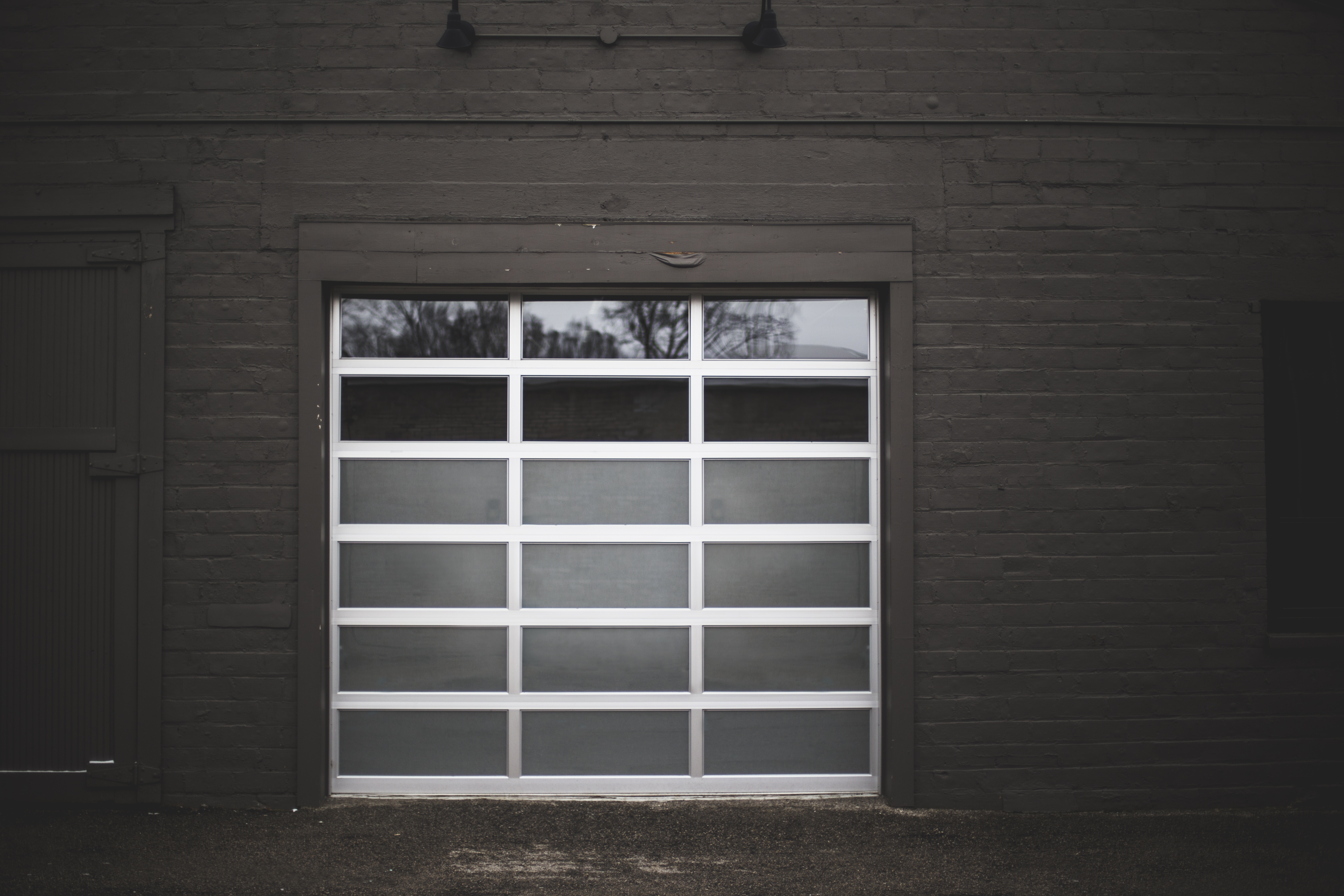
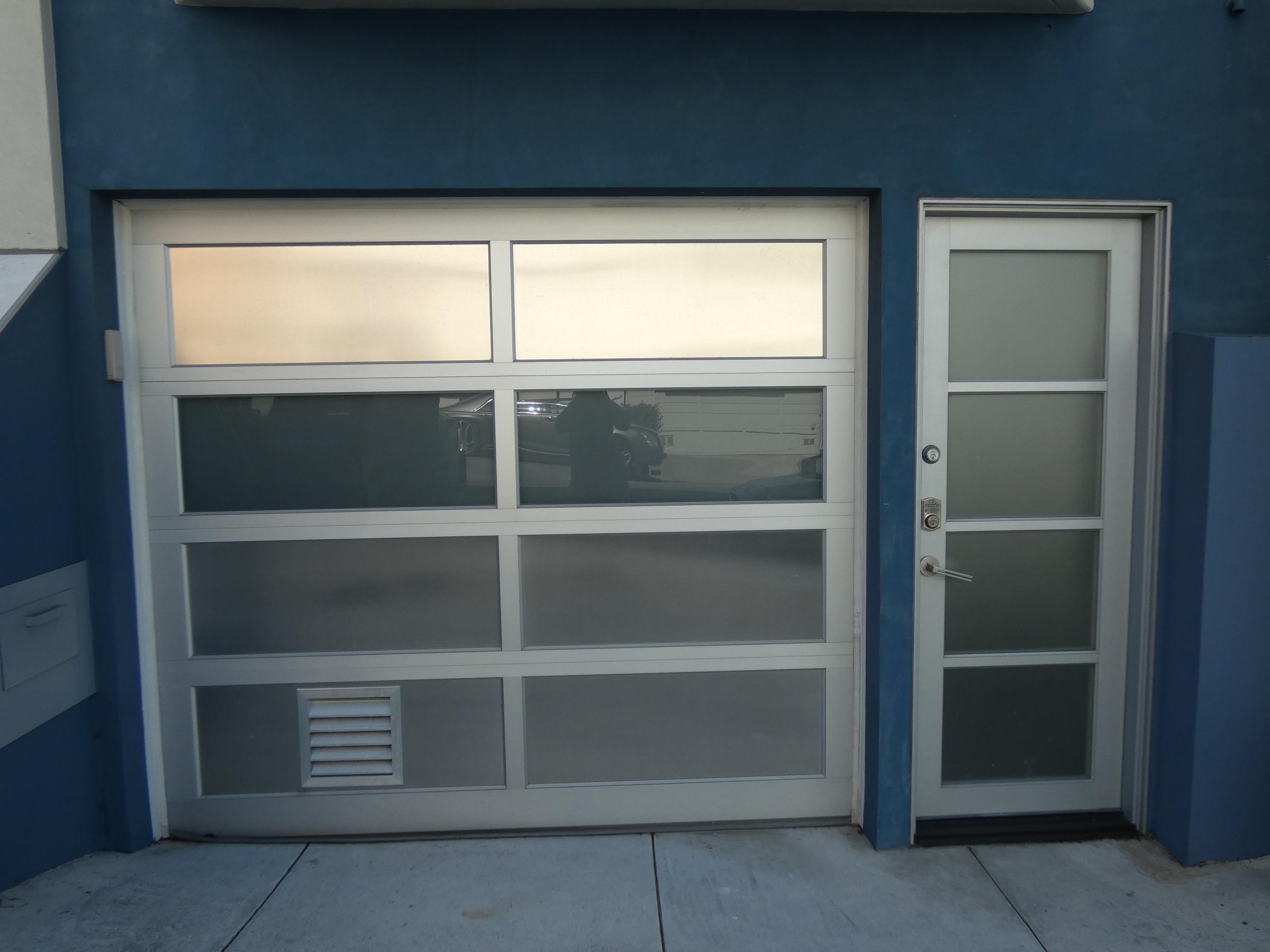
A full-view aluminum door is not simply a steel door with larger windows. Clopay specifically requires an authorized professional dealer for Avante glass replacement. Do not apply a tutorial for a small steel-door window to that construction. Clopay’s model-specific repair guidance
Do not substitute acrylic, polycarbonate, ordinary glass, or a different insulated unit solely because it fits the visible opening. Ask whether the proposed material is approved for that assembly and whether any weight difference requires evaluation of the door’s operating system. This is a compatibility question, not a recommendation to upgrade springs or adjust opener force.
For a wind-rated door, include its rating label and available approval drawings in the request. Have the dealer confirm the applicable glazing configuration. Do not remove a brace to make the repaired window look cleaner: Amarr explains that wind-load strut positions are determined through testing. Amarr residential FAQs
5. Separate a repair from a redesign
Decide whether the aim is to restore the existing window or change its appearance. A clear-to-obscure change, a different decorative pattern, or a new frame color may be possible, but it needs its own compatibility confirmation. Ask for a sample or photograph of the actual replacement finish, especially when neighboring frames have weathered.
Request the narrowest suitable repair first, then ask what would justify a larger one. Is only the decorative grille damaged? Is the original frame serviceable? Is a complete window assembly available? Does damage extend into the section? These questions keep the discussion focused without assuming that the smallest repair will always be safe or economical.
If the exact component is discontinued, ask which alternatives the manufacturer supports and what each option changes. A proposed replacement section should be assessed as a door-system change, not ordered simply because its width matches. For broader panel damage, our panel repair-versus-replacement guide covers that decision.
6. Get a complete scope before the work begins
A useful quote identifies both the part and the finished result. Ask it to separate diagnosis, parts, labor, removal of damaged materials, and any temporary securing work. Confirm whether the contractor will handle glazing directly or coordinate with a glass specialist. Agree who is responsible for final verification that the repaired assembly is secure and the door is ready to operate.
- Exact replacement part or approved assembly, with the model it fits.
- Which existing parts will remain, and how additional damage will be handled.
- Expected lead time and whether the door must remain unused while waiting.
- Cleanup and disposal of glass and packaging.
- Any door-operation or safety checks needed after the repair.
- Parts and labor warranty terms for this job, rather than an assumed whole-door warranty.
Keep photographs and purchase records if you intend to ask the manufacturer about coverage. Do not assume that accidental breakage, a failed sealed unit, and a defective decorative part have the same coverage. Ask for a written decision under the warranty that applies to your door, before authorizing nonurgent modifications.
Leave springs, lift cables, and bottom brackets out of any homeowner repair attempt. DASMA identifies these as tension-related hazards requiring trained service. A window repair should not turn into an improvised door-balancing job. DASMA garage-door safety
7. Collect the handover information
Before returning to routine use, ask the provider to show you the completed work from safe viewing positions and explain any operating restriction that remains. Confirm that debris has been removed and that the installed part matches the agreed specification. Save the part number, invoice, warranty information, and applicable maintenance instructions with the door’s records.
Cleaning advice depends on the glazing material and product. Do not copy a household glass-cleaning method onto a plastic panel. The Avante manual, for example, specifies mild dishwashing solution and a soft cloth and prohibits certain abrasive, solvent-based, and ammonia-containing cleaners. Follow the instructions for the actual replacement rather than treating that example as universal. Avante manual, window care
Common questions
Can I replace just one broken window?
Possibly, if the appropriate replacement is available and the frame and surrounding section remain suitable. Ask for identification and inspection before deciding between a pane, complete assembly, or section.
Can I remove only the decorative grille?
Some systems allow it, but attachment methods differ. First confirm that it is a decorative part and obtain instructions for that exact model. Do not loosen glazing retainers to investigate.
Is a cloudy window the same as broken glass?
No. Describe where you see the cloudiness and whether the surfaces can be observed safely, without dismantling or testing them. Ask the provider to distinguish a surface issue from a problem within the glazing unit.
Should I drive through once before arranging service?
Not when the glazing or retainer is damaged or uncertain. Keep the door still and ask the service provider to plan safe access; a working opener does not establish that the window is secure.
Related Posts
 Practical Guide
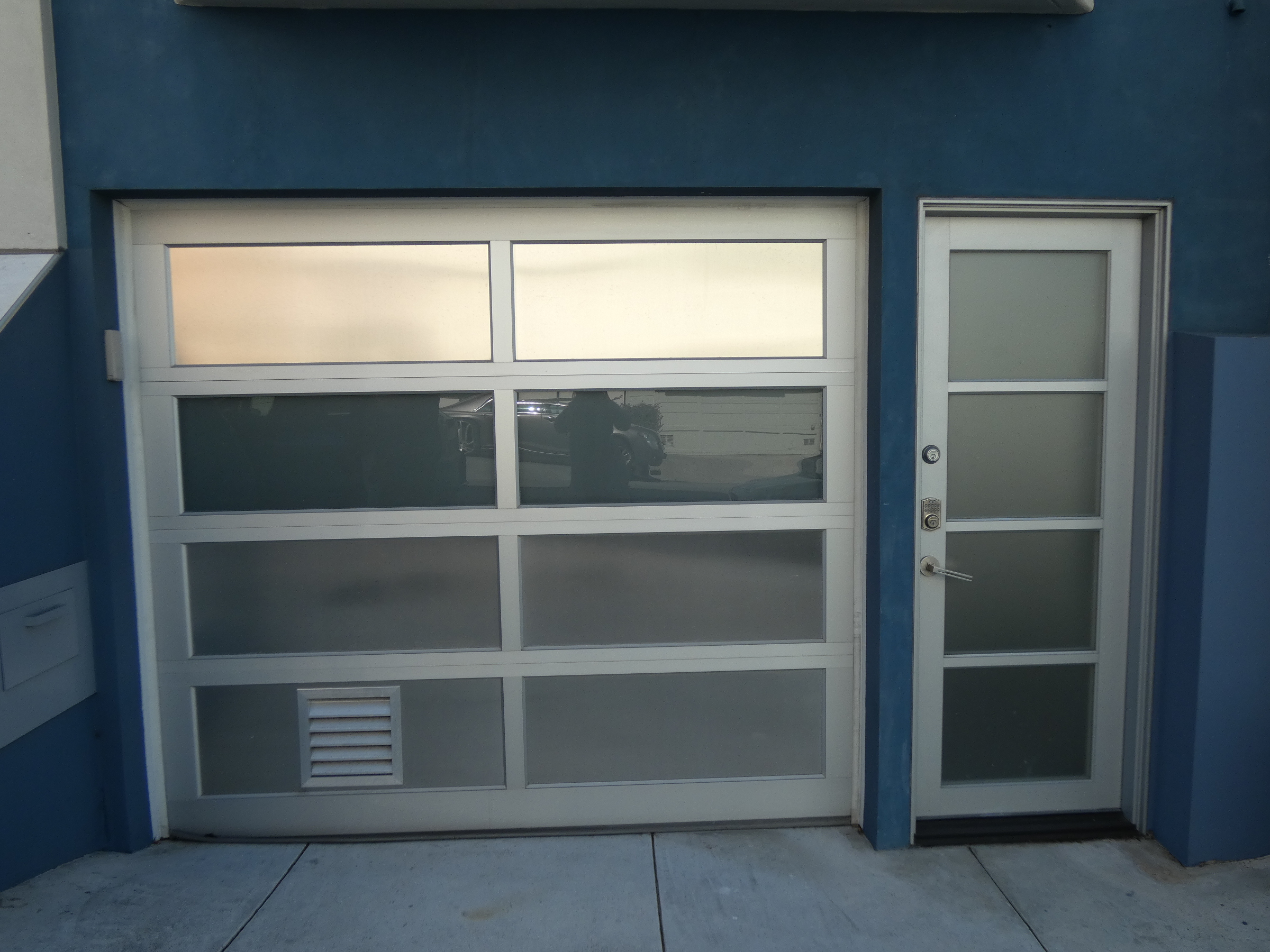
Can Windows Be Added to an Existing Garage Door?
Learn when garage door windows may be possible, how section replacement differs from conversion, and what to verify about balance and wind ratings.
 DIY Guide
How to Cover Garage Door Windows for Privacy
Compare garage-door window privacy options, check film and glazing compatibility, and plan a safe installation without replacing glass or adding heavy blinds.
Sources
Manufacturer instructions and references for this guide. Match the document to your exact product.
- Steel-door care manual, pages 2–3literature.clopay.com
- Canyon Ridge manual, window-care sectionliterature.clopay.com
- Clopay’s model-specific repair guidancewww.clopaydoor.com
- Amarr residential FAQswww.amarr.com
- DASMA garage-door safetywww.dasma.com
- Avante manual, window careliterature.clopay.com
Photo credits
- A full-view door has a different glazing assembly from a small window in a steel section. This photograph does not identify a particular brand, glass specification, or repair method. Kari Shea · Wikimedia Commons · CC0 1.0 Wikimedia Commons CC0 1.0
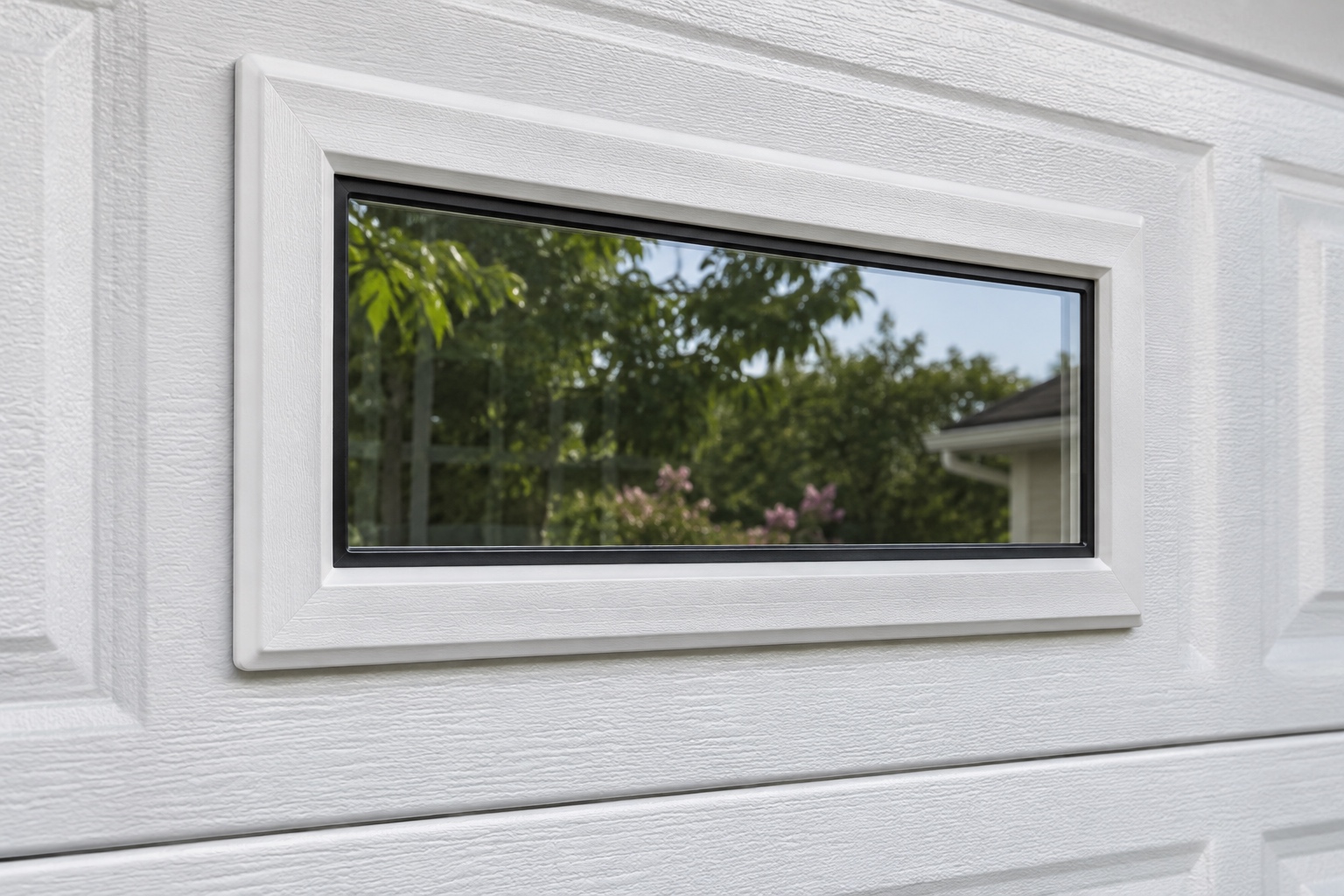
- An overall view records the arrangement and appearance you want a repair to preserve. This intact door shows how the window and trim fit together. Stilfehler · Wikimedia Commons · CC BY-SA 4.0 Wikimedia Commons CC BY-SA 4.0

