Garage Door Opener Bracket Pulled Loose: What to Do Next
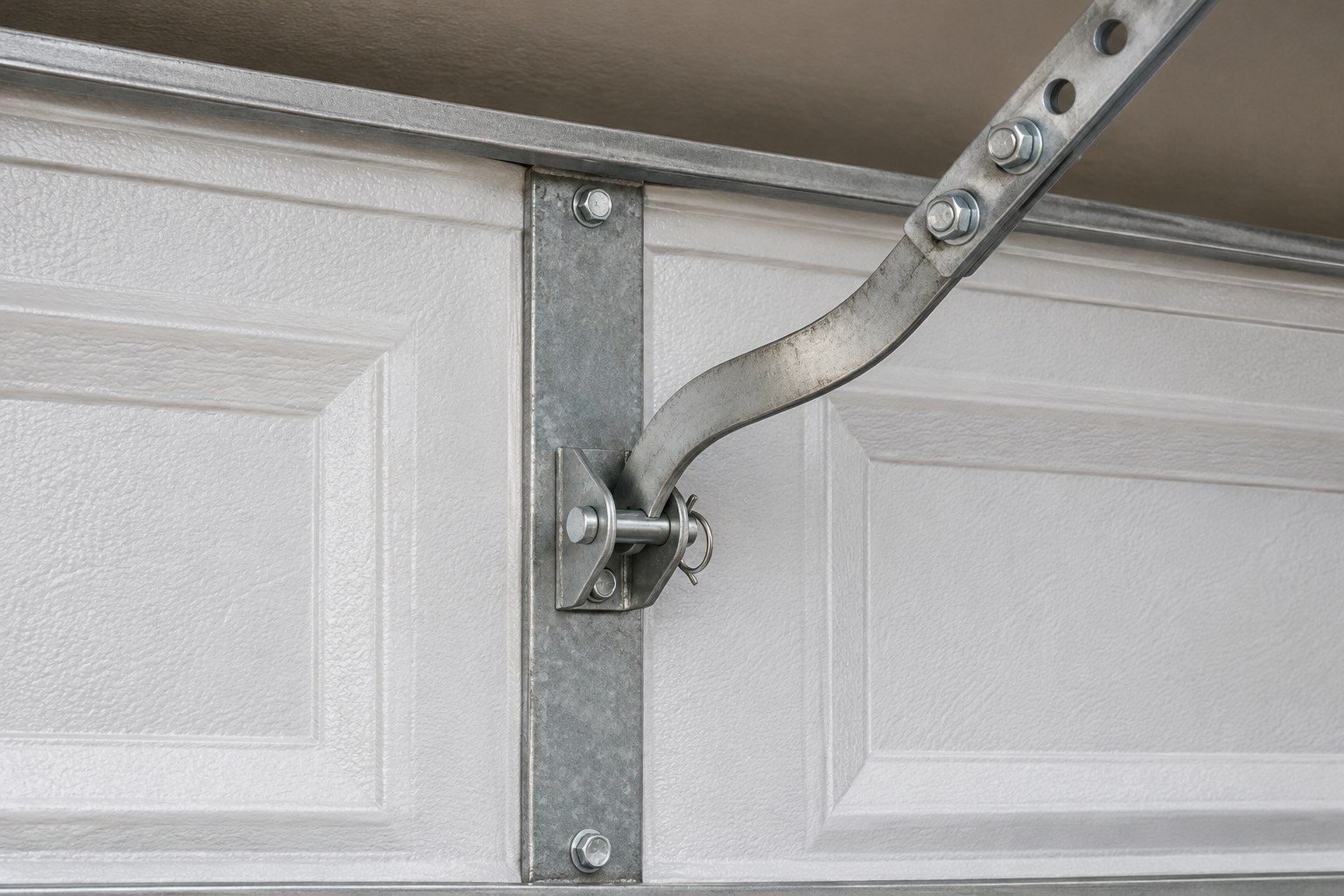
If the opener's arm has pulled away from the door, stop using the opener. A missing attachment can be visible, but the damage underneath it may extend beyond the screw holes. More force or another operating cycle is not a diagnostic test.
Make the area safe first
Keep people away from the doorway and do not stand beneath a raised or crooked door. Do not pull the emergency release on a raised or unstable door. If the opener's plug is safely reachable from the floor without going under the door, disconnect power; remember that a battery-equipped opener may still have backup power. Use the manufacturer's isolation instructions and keep controls away from others. If isolation or safe access is uncertain, leave the area clear and call a technician.
 Open full diagram
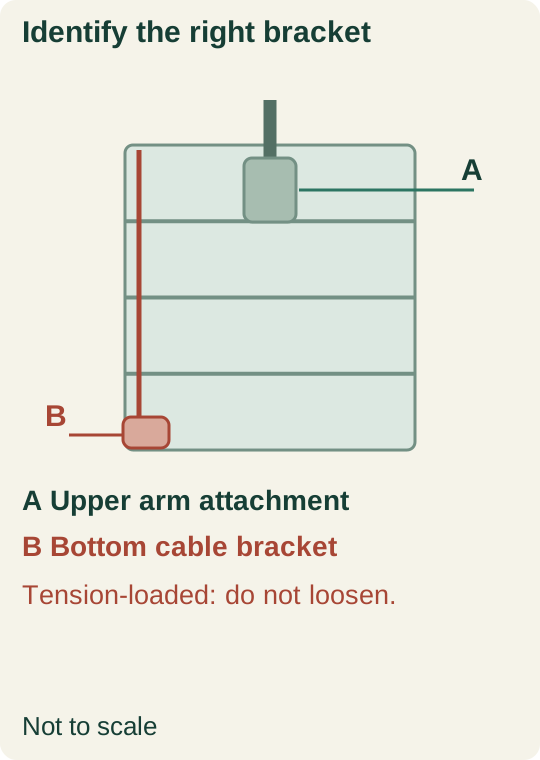
Identify the connection without touching it
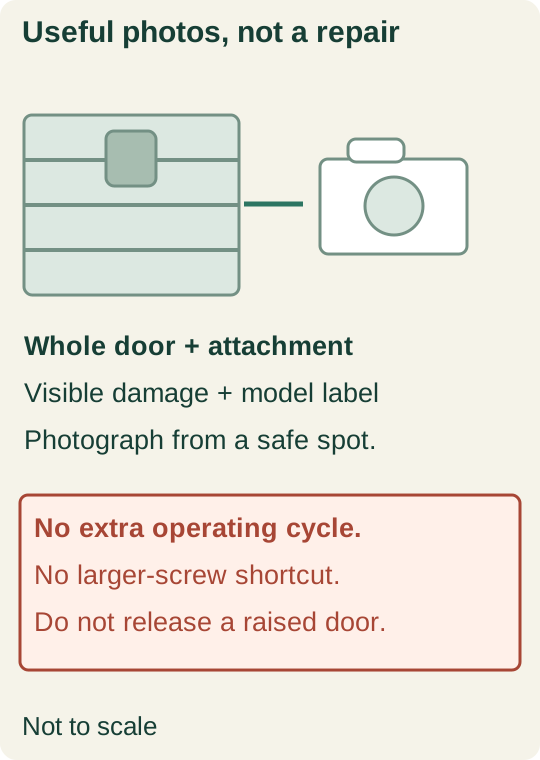
The arm-to-door bracket is normally attached near the upper door section on a trolley-operated system. It is not the bottom corner bracket that carries a lifting cable. Do not loosen any cable-connected fitting. From a safe position, photograph the overall door, detached connection, affected panel and visible model label. Do not climb onto the door or reposition the arm for a better photo.
Record observations, not a repair diagnosis
Tell the technician whether the panel is torn, folded, cracked or only apparently separated at fasteners; whether the door was struck; and whether it was sticking before the incident. Note the last normal cycle. A detached bracket can require assessment of the attachment, reinforcement and underlying door condition. The photograph alone does not establish that a larger screw or generic plate will be adequate.
 Open full diagram
Ask for a repair plan that addresses the cause
Request identification of the door model, approved reinforcement arrangement, condition of the damaged section and any underlying operating problem. Clopay specifies model- and size-dependent opener reinforcement. Do not copy another door's mounting pattern. Ask whether a section repair is manufacturer-approved or a matching replacement is needed, and whether the estimate includes restoring and testing normal operation.
Before returning the door to use
Have the technician demonstrate controlled travel and the safety tests required by the opener manual. Keep the written description of the repair and replacement parts. Do not increase force settings to compensate for binding.
What to send with a service request
- A wide photo from a safe location, plus a close view only if reachable without climbing or standing under the door.
- Door and opener model labels, if readable safely.
- Whether the failure happened while opening or closing, and any earlier sticking, impact or unusual noise.
- Ask for a written scope covering the attachment, damaged section and cause, not just replacement screws.
Common questions
Can I simply put the screws back?
Not without assessing the damaged material and the correct reinforcement. A fastener that appears tight does not establish a sound repair.
Is this the same as a broken spring?
No. Describe the visible damage without assuming its cause; the rest of the system still needs assessment.
Can I open the door manually?
Do not attempt it with a damaged, unstable or raised door. Have its condition assessed first.
Related Posts
For the broader repair-versus-replacement decision, see Damaged or Dented Garage Door Panels: Repair or Replace?. For normal opener mounting preparation, use Plan a Garage Door Opener Installation or Replacement. The parts overview in How a Sectional Garage Door Works: Parts and Their Jobs helps distinguish the arm from lifting components.
 Practical Guide
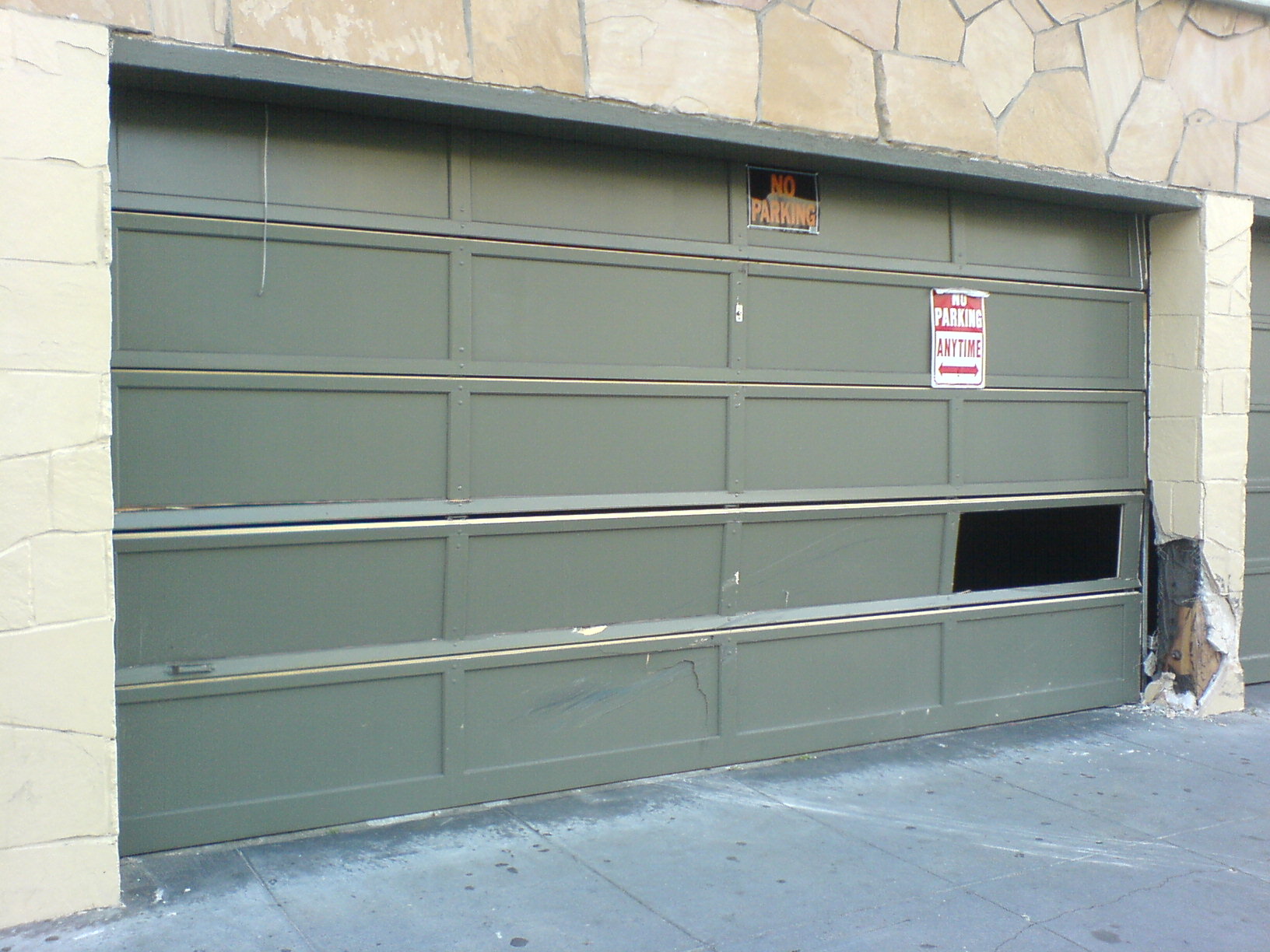
Damaged or Dented Garage Door Panels: Repair or Replace?
Separate cosmetic dents from structural damage, identify a compatible replacement section, and compare repair with full garage door replacement safely.
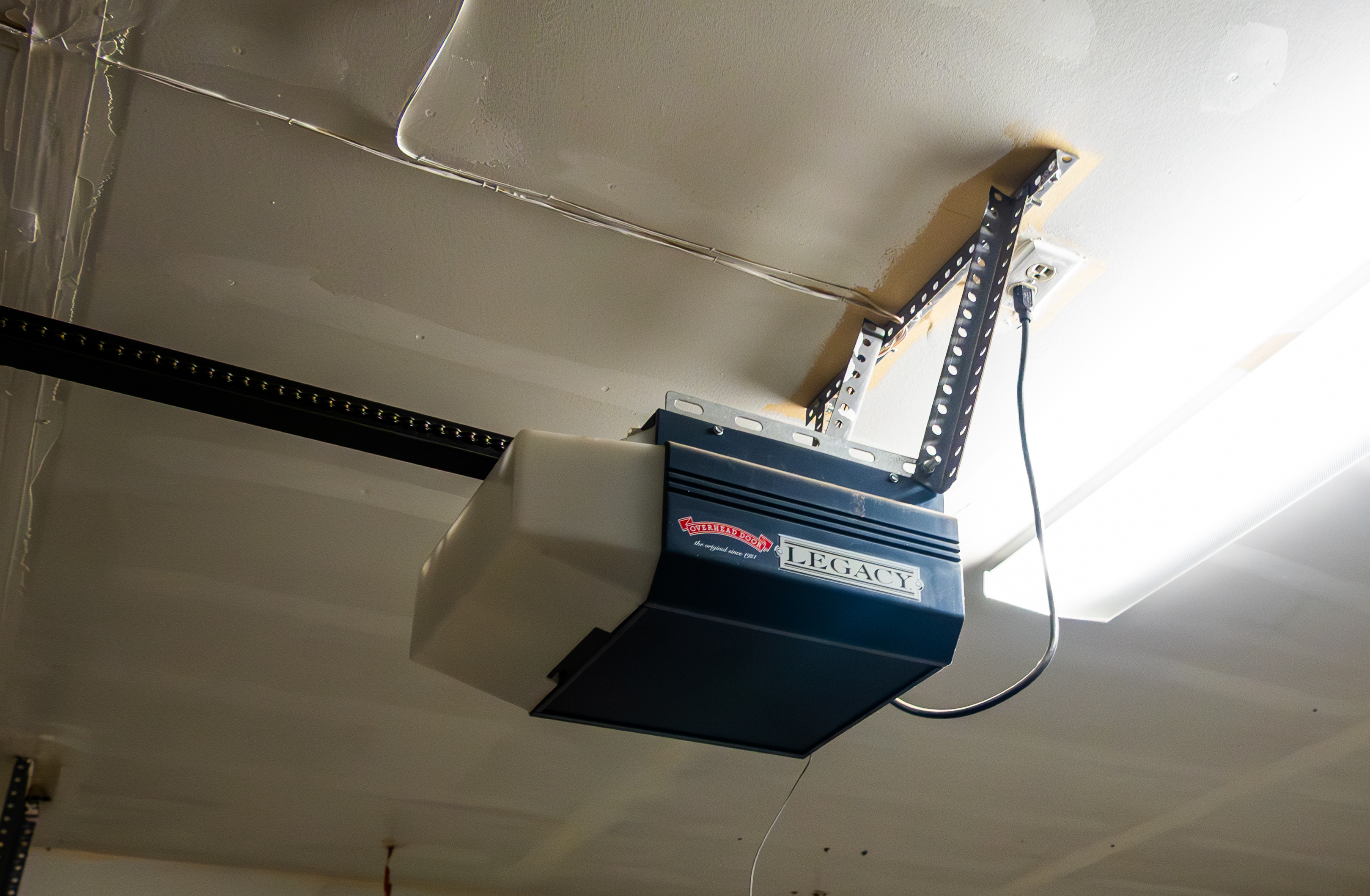 Practical Guide
Plan a Garage Door Opener Installation or Replacement
Prepare for an opener installation with a door assessment, compatible equipment, site survey, clear scope and a safety-focused professional handover.
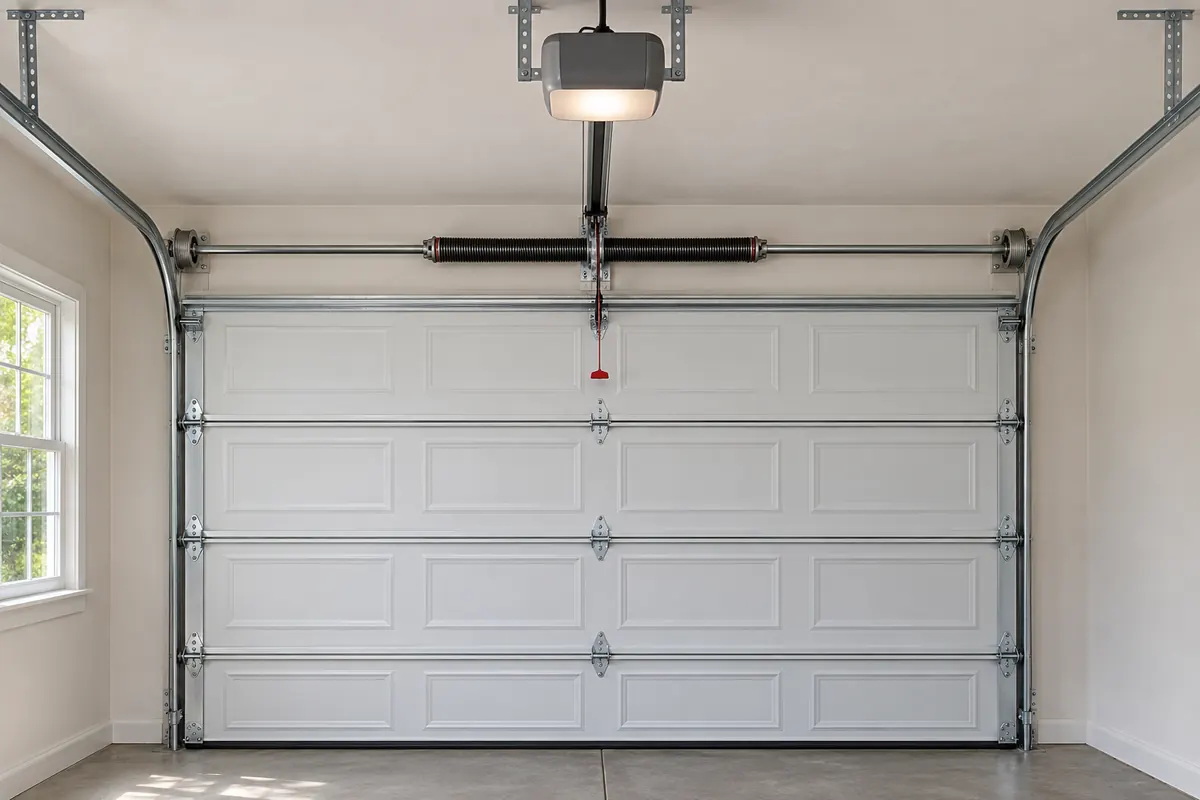
How a Sectional Garage Door Works: Parts and Their Jobs
Understand the roles of panels, tracks, springs, the opener and safety sensors. Identify parts from a safe position without dismantling the door.
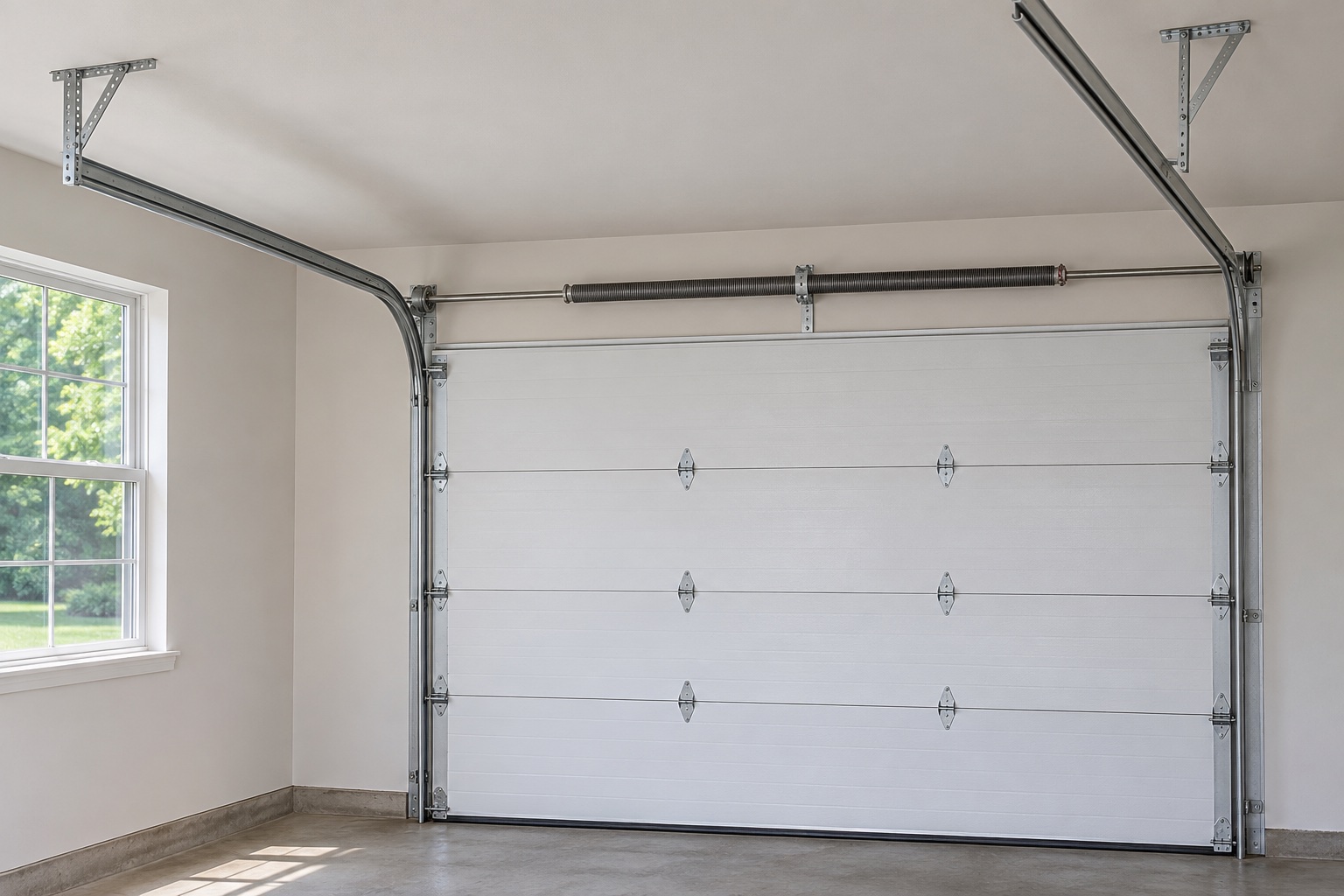 Practical Guide
Can a Manual Garage Door Be Motorized?
Find out whether your existing manual garage door can accept an opener, what must change, and what to ask before buying conversion equipment.
 Practical Guide
How to Choose a Garage Door Installer
Check a garage door installer's identity, qualifications, system experience, warranty support and handover before you hire.
Sources
Manufacturer instructions and references for this guide. Match the document to your exact product.
- Clopay: opener reinforcement by model and sizewww.clopaydoor.com
- Clopay: bottom-bracket and cable safetywww.clopaydoor.com